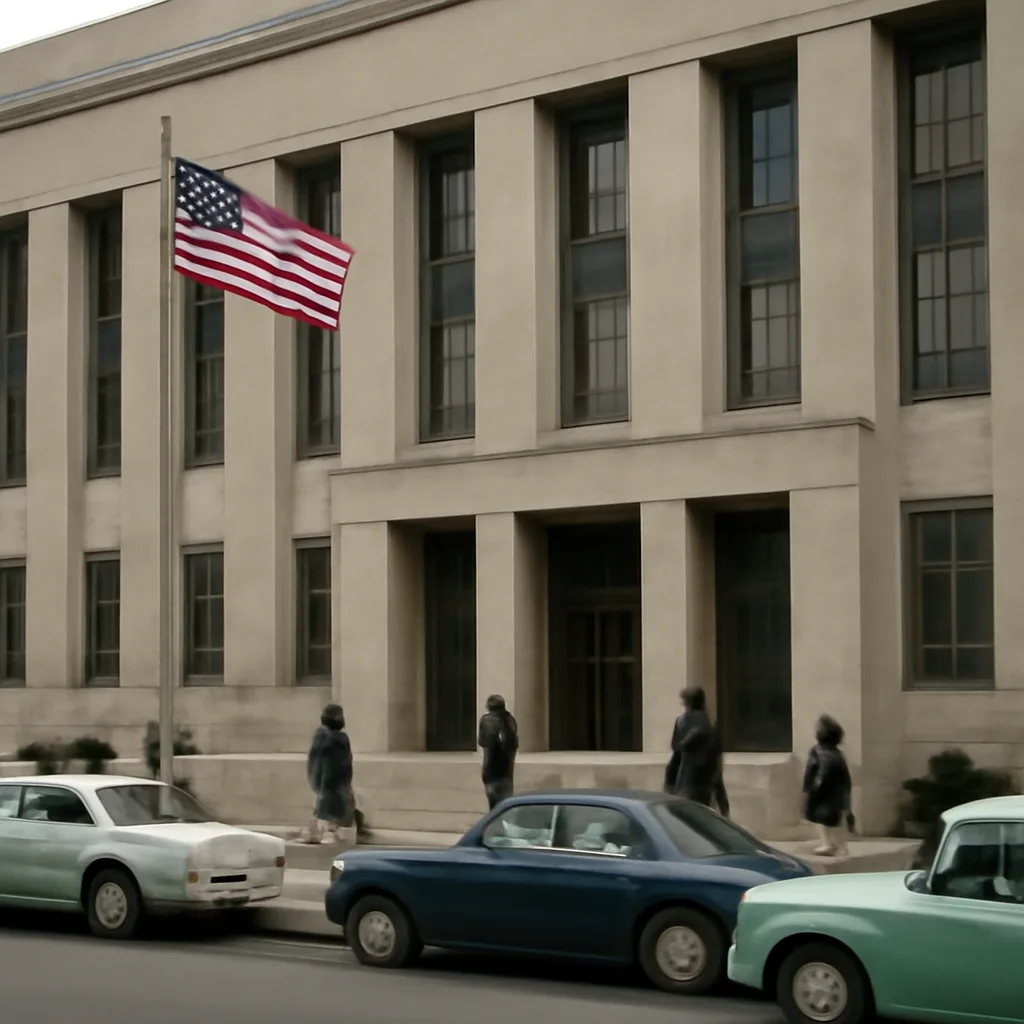
FBI Acknowledges Long-Term Mob Infiltration of Government and Industry
On January 16, 1963, the FBI confirmed that organized crime had infiltrated multiple government agencies and private industries over many years, prompting renewed investigations and calls for systemic reforms.
On January 16, 1963, federal law-enforcement officials publicly acknowledged that organized-crime groups had for years penetrated elements of government and key private industries. The admission followed investigative work by the Federal Bureau of Investigation and legislative scrutiny that documented patterns of corruption, patronage, and illicit influence rather than a single, isolated conspiracy.
Scope and findings
The FBI’s acknowledgment described a diffuse, long-term pattern of infiltration in which mob-linked figures cultivated relationships with public officials, labor-union leaders, and business operators. These ties were used to secure contracts, manipulate markets, influence labor decisions, and obtain protection from prosecution. Investigators emphasized that the problem was structural: corruption operated through intermediaries, sham corporations, and layered financial arrangements that obscured direct links to organized-crime families.
Targets and methods
Reportedly affected sectors included construction, trucking, waterfront operations, waste disposal, and parts of the entertainment and gambling trades—areas where contract awards, cash transactions, and union control could be leveraged. Methods cited by investigators included bribery, extortion, bid rigging, ghost payrolls, and the placement of ostensibly legitimate front companies to launder proceeds and conceal ownership.
Institutional response
The FBI’s confirmation spurred immediate, if uneven, responses. Federal prosecutors and congressional committees expanded inquiries, and some agencies reviewed internal controls and contract-award procedures. Labor regulators investigated alleged corruption within certain unions, while state and local prosecutors opened cases where local conditions and statutes allowed. However, observers at the time warned that law-enforcement fragmentation and limited interagency coordination constrained the effectiveness of prosecutions and preventative reforms.
Legal and political context
The admission came amid broader 1960s debates about organized crime, public corruption, and the need for federal legislative tools to address complex criminal enterprises. Lawmakers cited the FBI’s confirmation when proposing statutory changes aimed at improving financial transparency, expanding wiretap and surveillance authorities under court supervision, and strengthening asset-forfeiture provisions. At the same time, civil-liberties advocates and some members of Congress emphasized the need to balance investigative powers with constitutional protections.
Limitations and ongoing uncertainties
Contemporaneous reports and later historical analyses underscore that the FBI’s statement was not a comprehensive accounting of every alleged link between organized crime and public institutions. Some allegations remained unproven in court; others were difficult to pursue because of witness intimidation, lack of documentary evidence, or legal barriers. Prioritization of cases and jurisdictional boundaries also meant some suspected networks were only partially investigated.
Legacy
The January 1963 acknowledgment contributed to a heightened public and governmental focus on organized crime’s reach into legitimate institutions. It helped catalyze subsequent investigations, reforms in procurement and labor oversight, and legal developments in federal criminal procedure. Historians and legal scholars regard the period as pivotal in shaping mid-20th-century U.S. policies on organized crime, while noting persistent challenges in fully dismantling entrenched corruption.
This account relies on contemporaneous public statements by federal officials and subsequent historical assessments; where specific allegations remained contested or legally unresolved, those disputes are noted in secondary literature and official records.