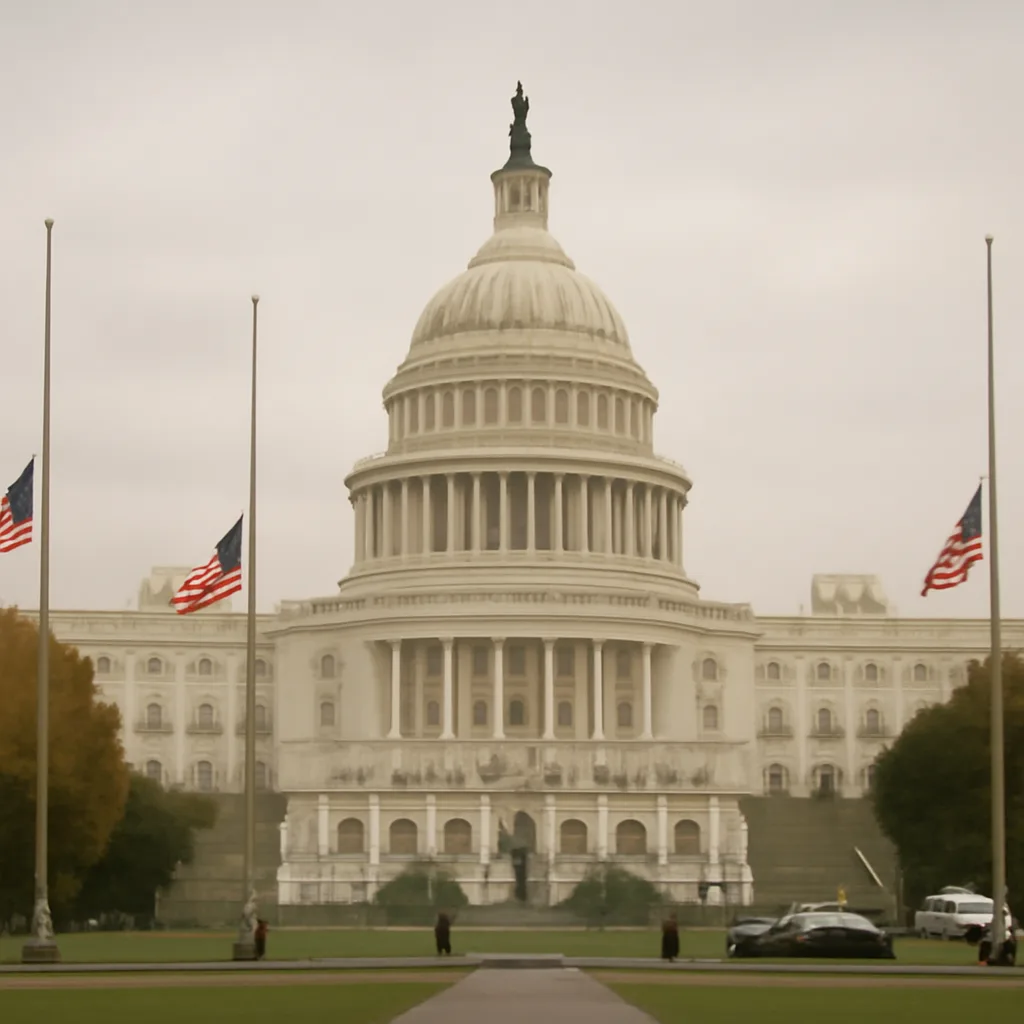
Congress Passes USA PATRIOT Act Amid Post-9/11 Security Surge
In the weeks after the Sept. 11, 2001 attacks, Congress moved rapidly to enact the USA PATRIOT Act, expanding government surveillance and intelligence-gathering authorities in the name of counterterrorism while prompting ongoing legal and civil liberties debates.
In the immediate aftermath of the terrorist attacks of September 11, 2001, the United States government prioritized swift legislative action to strengthen domestic security and disrupt further attacks. Less than two months after the attacks, Congress passed the USA PATRIOT Act — formally the Uniting and Strengthening America by Providing Appropriate Tools Required to Intercept and Obstruct Terrorism Act of 2001 — signaling a decisive shift in federal counterterrorism policy.
The act consolidated and broadened federal powers across intelligence, law enforcement and immigration systems. Key provisions eased restrictions on surveillance and information sharing: the law expanded the scope of materials obtainable under court orders, adjusted standards for obtaining wiretaps and other electronic surveillance, and promoted greater exchange of intelligence between agencies previously separated by legal and bureaucratic barriers. The legislation also widened definitions related to terrorism and provided new tools for tracking and disrupting financial transactions suspected of funding terrorist activity.
Supporters argued these changes were essential to address intelligence gaps exposed by the Sept. 11 attacks, improve coordination among federal, state and local authorities, and equip agencies to detect and prevent complex, transnational threats. Backers in both political parties emphasized urgency, citing the need to act quickly to protect the country while investigations into the attacks were still underway.
Critics, including civil liberties advocates, legal scholars and some members of Congress, warned that the PATRIOT Act granted excessive authority to the government and risked eroding constitutional protections. Concerns focused on reduced judicial oversight, broadened surveillance powers affecting ordinary citizens, and the potential for misuse of expanded investigative tools. Over time, litigation, congressional review and public debate would target specific provisions, resulting in amendments and, in some cases, limits on government authorities granted under the law.
The statute also included criminal provisions aimed at enhancing penalties for terrorism-related offenses and mechanisms for freezing and seizing assets tied to terrorist networks. Immigration-related provisions tightened grounds for deportation and detention of noncitizens suspected of terrorism ties, which sparked additional debate about due process and the rights of immigrants.
The PATRIOT Act passed amid a political climate shaped by grief, fear and calls for decisive action. Its passage reflected both a bipartisan consensus on strengthening national security measures and the tension between security objectives and civil liberties. In subsequent years, the law’s legacy would be contested: proponents cite tools that aided counterterrorism efforts, while opponents point to documented instances of overreach and the need for stronger safeguards and transparency.
Because the PATRIOT Act covered many statutory changes across agencies and legal authorities, its full effects unfolded over time through executive-branch implementation, judicial interpretation and later congressional amendments. Debates over the balance between security and liberty that animated the law’s passage have continued to influence U.S. policy and legal discourse on surveillance, privacy and counterterrorism.
This summary focuses on the broad contours and controversies surrounding congressional enactment of the USA PATRIOT Act in the weeks after Sept. 11, 2001, without asserting unverified attributions or quoting individuals. Specific provisions, legal challenges and later reforms are documented in legislative records, court decisions and contemporary reporting.