
Pearl Harbor Concerns Move the 1942 Rose Bowl to North Carolina
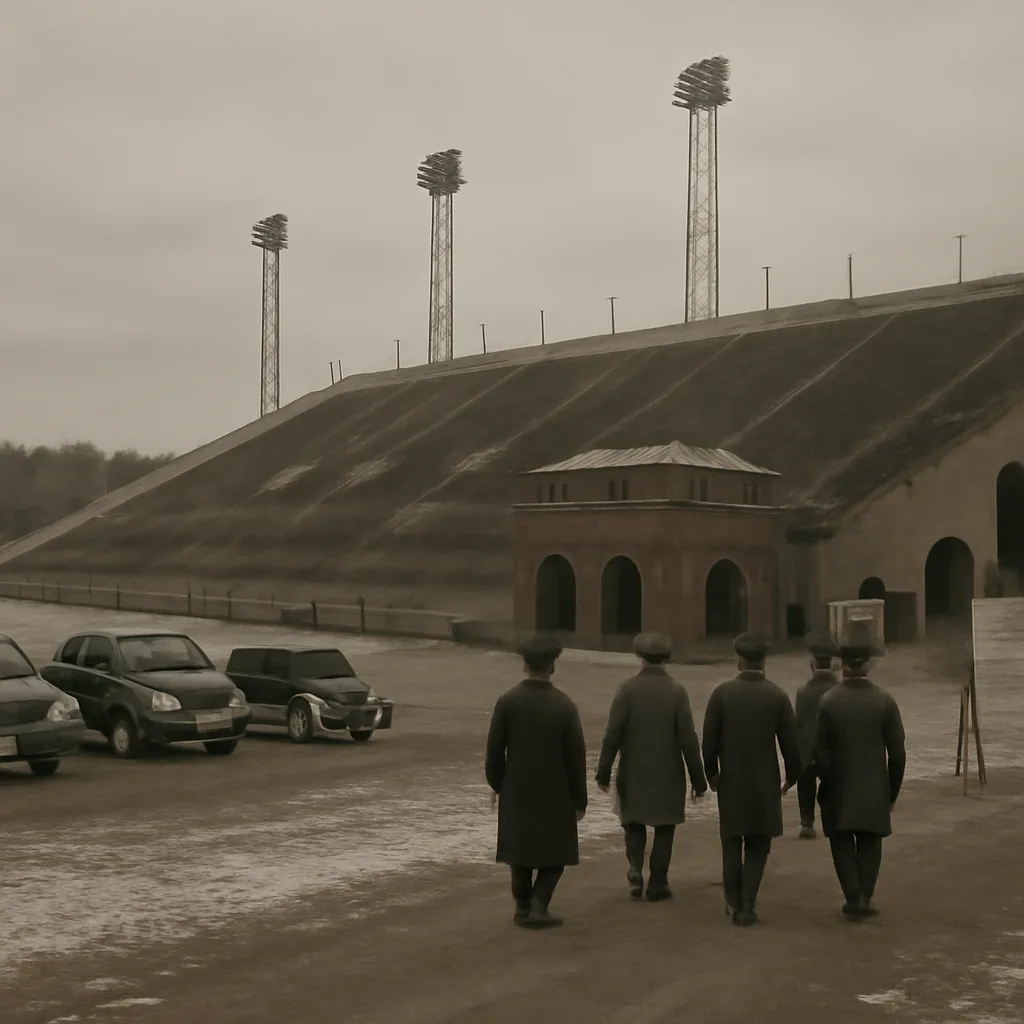
After Japan's attack on Pearl Harbor, authorities banned large West Coast gatherings; the 1942 Rose Bowl was relocated from Pasadena to Durham, North Carolina, where Duke University's stadium hosted the game on January 1, 1942.
On December 7, 1941, the Japanese attack on Pearl Harbor prompted immediate U.S. wartime security measures. Concerned that large public gatherings on the West Coast could be vulnerable to further attacks or could tax local civil defense resources, military and civilian authorities imposed restrictions on public events. Against that backdrop, organizers of the traditional Pasadena Rose Bowl sought alternatives for the upcoming January 1, 1942, game.
The decision to move the game was driven by wartime fears and practical constraints. California imposed blackout and travel restrictions; military officials also recommended limiting large assemblies. The Tournament of Roses Association, which organizes the Rose Bowl, canceled the parade and, after consultations with federal and state authorities, agreed to relocate the football game. Invitations were extended to East Coast and interior venues considered safer and more accessible to the participating teams and officials.
Duke University in Durham, North Carolina, volunteered to host. Duke Stadium (now Wallace Wade Stadium) had the capacity and facilities required to stage a major college football game and was located far from the Pacific Coast, reducing perceived risk. The game was played there on January 1, 1942, between the Oregon State College Beavers and the Duke Blue Devils. Attendance and logistics were affected by wartime conditions—travel difficulties, restrictions, and the cancellation of the Rose Parade—but the contest itself proceeded as a symbol of continuity amid national crisis.
Historical accounts note that the relocation was exceptional: it remains the only Rose Bowl game played outside Pasadena until much later neutral-site instances and is often cited as a direct consequence of Pearl Harbor and subsequent security measures. Sources documenting the relocation include contemporary newspaper reports, archives of the Tournament of Roses Association, and histories of college football and World War II home-front policies. These sources consistently attribute the move to wartime security concerns and restrictions on West Coast gatherings rather than to single-person decisions.
While details such as exact communications among military, state, and tournament officials may vary across accounts, the core facts are well established: following Pearl Harbor, authorities restricted large events on the Pacific Coast; the Pasadena parade was canceled; and the Rose Bowl football game was played in Durham on January 1, 1942. The episode illustrates how the early days of American involvement in World War II reshaped civilian life and major public rituals, including one of college football’s most storied traditions.