Chicago Tylenol Poisonings Trigger Nationwide Recall and Safety Overhaul
In late September 1982, a series of cyanide-laced Tylenol capsules in the Chicago area led to multiple deaths, prompting a massive recall, nationwide panic, and major changes in packaging and drug safety regulation.
In late September 1982, seven people in the Chicago area died after ingesting Extra-Strength Tylenol capsules that had been deliberately laced with potassium cyanide. The sudden deaths—among otherwise healthy adults—prompted an urgent investigation by local police, the Illinois state police, the Food and Drug Administration (FDA), and the FBI. Authorities established that the cyanide contamination had been introduced after the product left Johnson & Johnson’s production facilities, marking one of the first widely publicized instances of product tampering in the United States.
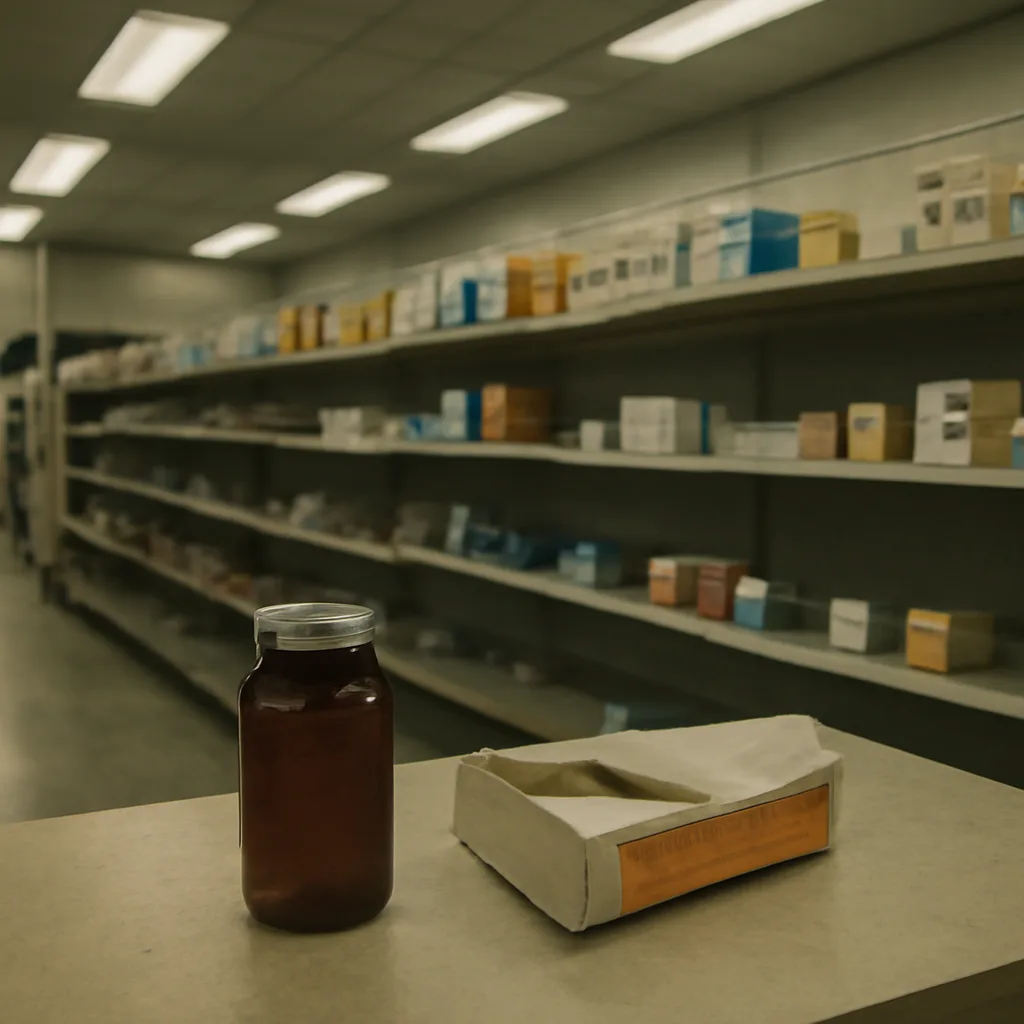
The immediate public response was widespread fear and confusion. Media coverage documented empty store shelves, frantic consumers, and warning notices at pharmacies. Johnson & Johnson moved quickly to remove Tylenol products from store shelves nationwide, initiating a recall that ultimately covered an estimated 31 million bottles. Retailers also pulled other capsule-based acetaminophen products from shelves out of caution. Public health officials issued advisories about the ingestion of over-the-counter medications and urged consumers to check packaging; many people stopped using capsule medications altogether for a time.
The investigation focused on tracing the distribution and purchase of the contaminated bottles. Despite extensive inquiries and several leads, no one was ever charged with the tampering that caused the Chicago-area deaths. The case remains officially unsolved, and the lack of a prosecution left lingering public anxiety about product safety and criminal motives.
The tampering and its aftermath had lasting impacts on industry practices and federal regulation. Johnson & Johnson, recognized for its rapid and transparent public response, introduced a series of safety measures, including tamper-evident packaging, triple-seal protection (a glued box, a plastic seal around the neck of the bottle, and a foil seal over the mouth of the bottle), and improved crisis communication strategies. Within a year, tamper-evident packaging became an industry standard for over-the-counter medicines.
Legislatively, the incident prompted Congress to strengthen consumer protections. The Federal Anti-Tampering Act of 1983 made it a federal offense to tamper with consumer products and increased penalties for such acts. The FDA also issued regulations requiring tamper-resistant packaging for certain over-the-counter drug products, which reshaped manufacturing and packaging practices across the pharmaceutical and retail industries.
Beyond packaging and regulation, the events had broader cultural and commercial effects. Manufacturers reassessed quality-control and supply-chain security, retailers revised shelf-handling policies, and consumers became more cautious about sealed products. The Tylenol case is frequently cited in public relations and crisis-management courses as an example of effective corporate response to disaster, even as unanswered questions about the perpetrator remained.
Although no definitive motive or perpetrator has been identified, the 1982 Tylenol poisonings remain a pivotal moment in U.S. consumer safety history. The deaths in Chicago led directly to reforms that significantly reduced the risk of similar mass-product tampering and changed how the public and private sectors address threats to consumer goods.