1982 Chicago-Area Tylenol Poisonings Spark Overhaul of Product Safety
In September–October 1982, seven people in the Chicago area died after taking cyanide-laced Extra-Strength Tylenol capsules, triggering a nationwide recall, widespread fear of product tampering and the introduction of tamper-evident packaging and new federal guidelines.
In late 1982, a series of sudden deaths in the Chicago metropolitan area revealed a deliberate act of product tampering that became the first widely publicized case of lethal consumer-product contamination in the United States. Beginning in early September and continuing through early October, multiple victims—several of them otherwise healthy adults—fell ill and died after ingesting Extra-Strength Tylenol (acetaminophen) capsules that had been intentionally laced with potassium cyanide. The deaths were geographically concentrated around Cook County and nearby suburbs and were confirmed by local and federal investigators to be homicidal poisonings.
The criminal act prompted an immediate and unprecedented response by manufacturers, retailers and public health authorities. Johnson & Johnson, the maker of Tylenol, voluntarily coordinated a nationwide recall of Tylenol products and advised consumers to stop using capsules. Retailers pulled products from shelves, and law enforcement launched an intense investigation that involved local police, the FBI and the Food and Drug Administration (FDA). Investigators examined pharmacy records, retail distribution patterns and the physical products recovered from victims’ homes and trash. Despite extensive inquiries and several leads, no individual was ever convicted for the original cyanide tamperings; the case remains officially unsolved.
The public reaction was swift and severe. Media coverage of the deaths and images of sealed medicine bottles contributed to widespread consumer fear about the safety of over-the-counter medications and other packaged goods. In the months that followed, manufacturers and regulators moved to reduce the risk of similar incidents. Johnson & Johnson, which faced intense scrutiny but was widely credited for its prompt recall and public communication, led industry efforts to redesign packaging. The development and rapid adoption of tamper-evident and tamper-resistant packaging—such as sealed safety caps, glued box seals and blister packs—became standard across the pharmaceutical and consumer-products sectors.
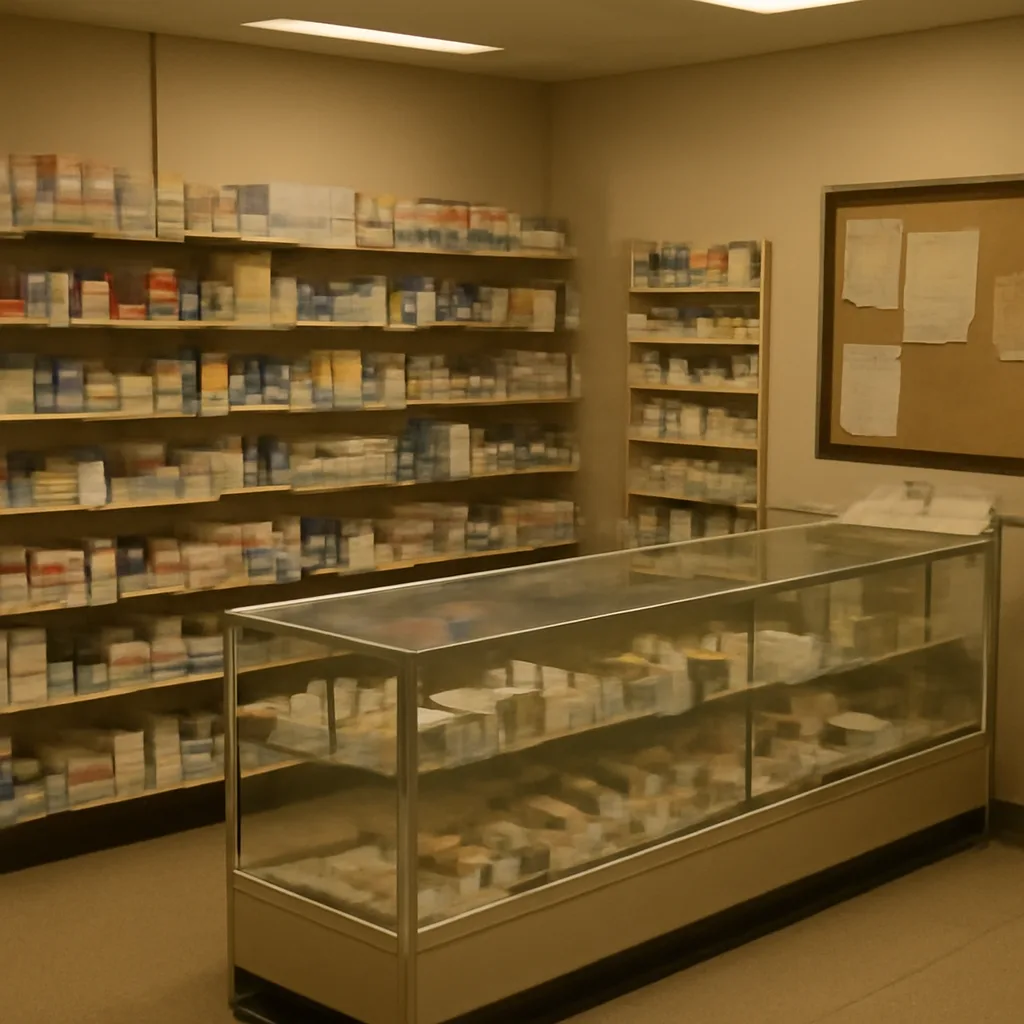
The FDA issued new guidelines for packaging and labeling of over-the-counter drugs, and state and federal legislatures enacted laws making product tampering a federal crime in many circumstances. Retail practices were also affected: pharmacists and store managers changed display and stocking procedures to limit opportunities for interference. Medical examiners and poison-control centers updated protocols for investigating unexpected deaths and suspected poisoning.
Beyond regulatory and industrial changes, the 1982 Tylenol poisonings had lasting effects on public expectations about product safety and corporate crisis management. The incident is frequently cited in discussions of emergency response, risk communication and the responsibilities of manufacturers when consumer safety is threatened. Although the original perpetrator was never publicly identified or brought to justice, the practical outcomes—new packaging standards, legal changes and heightened consumer vigilance—remain enduring legacies of the case.
Historical summaries of the event draw on contemporaneous reporting, public health records and government actions taken after the deaths. Some details of the investigation, including certain suspects and theories proposed at the time, were contested or inconclusive; official records indicate that no definitive legal resolution of the criminal act was achieved. The focus of later analyses has therefore emphasized the incident’s systemic impact on product safety policy as much as the unresolved criminal investigation.