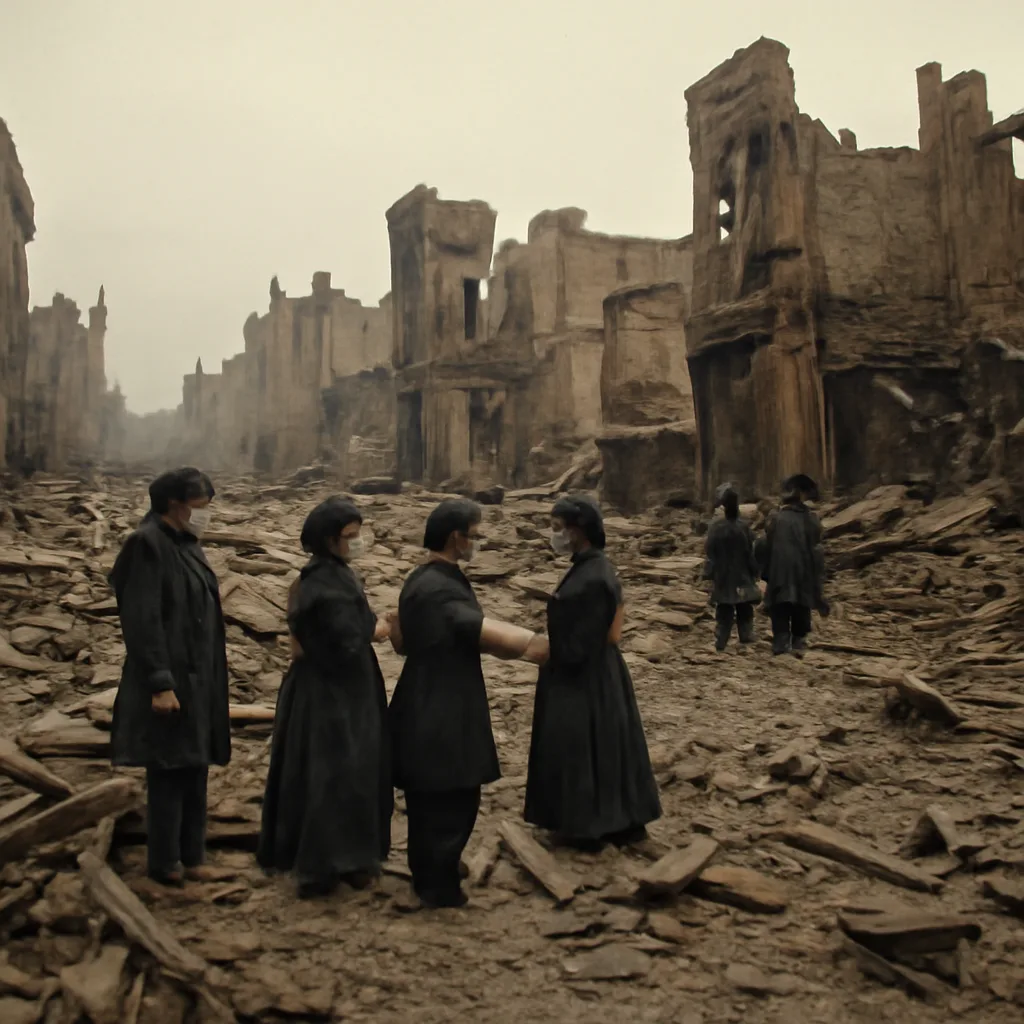
Aftermath of the Great Chicago Fire: Early Insurance Fraud Allegations Surface
In the year after the Great Chicago Fire, March 14, 1872, investigators and newspapers began reporting suspicious claims and alleged fraud involving fire insurance policies—sparking debates over underwriting practices, municipal oversight, and the limits of 19th-century loss verification.
On March 14, 1872, roughly nine months after the Great Chicago Fire (October 8–10, 1871), public attention in Chicago and beyond had shifted from immediate relief and rebuilding to scrutiny of the enormous insurance payouts the disaster triggered. The conflagration destroyed vast swaths of the city, leaving many policyholders to press claims; concurrently, insurers faced unprecedented aggregate losses. In this context, allegations of fraudulent claims, collusion, and lax verification procedures began to surface in newspapers, court filings, and insurer investigations.
Background
The Great Chicago Fire caused massive property destruction across a rapidly growing urban center. Insurance coverage at the time was a patchwork of domestic and foreign companies, many of whom were unprepared for the scale of loss. Insurers paid out claims in large numbers, but the volume and value of those claims created incentives for fraud and exposed weaknesses in claims handling and municipal record-keeping.
Nature of the allegations
Allegations ranged from deliberate arson by property owners seeking insurance money to inflated or fabricated inventories and collusion between claimants and unscrupulous adjusters. Some accusations involved business owners who were said to have removed goods before the fire and then claimed they were lost; others centered on suspiciously similar inventories across multiple claims or documentary inconsistencies in policy paperwork. Insurance companies and their investigators reported patterns they viewed as irregular, prompting internal reviews and, in some cases, legal action.
Investigations and legal responses
Insurance firms dispatched adjusters and private investigators to examine claims, but the chaotic post-fire environment complicated verification: municipal records, deeds, and inventories were often destroyed, witnesses were displaced, and reliable documentation was scarce. Where possible, companies pursued civil suits to rescind policies or deny payouts; a number of cases reached Illinois courts. Public prosecutors occasionally investigated suspected arson-for-profit schemes, though proving intent to commit fraud amid the devastation proved difficult.
Public debate and press coverage
Newspapers played a major role in shaping public perception. Some papers emphasized compassionate support for fire victims and warned against hasty accusations; others highlighted sensational instances of alleged fraud, fanning public anger toward claimants and criticism of insurers. Editorials debated the balance between ensuring honest claimants received relief and deterring fraudulent activity. The press coverage reflected wider anxieties about rapid urban growth, speculative real estate practices, and the ethical responsibilities of insurers and citizens.
Impacts on the insurance industry and regulation
The controversies accelerated calls for reform in underwriting, record-keeping, and municipal regulation. Insurers increasingly demanded stricter proofs of loss and improved policy documentation. The difficulties of verifying claims after a megafire also prompted discussion among actuaries and underwriters about risk assessment for rapidly expanding cities. Over time, these pressures contributed to more standardized claims procedures, though many reforms unfolded gradually and unevenly across jurisdictions.
Historiography and limits of the record
Contemporary sources document numerous allegations and some confirmed cases of fraud or misconduct, but historians stress caution: the chaotic circumstances, partisan press, and adversarial interests of insurers and claimants complicate a simple accounting. Scholarship notes both genuine instances of fraudulent behavior and the potential for overreach by insurers or sensationalist reporting that amplified unproven accusations. As a result, while fraud scandals did emerge in the wake of the fire, the full scope and frequency remain subjects of debate among researchers.
Conclusion
The post-fire insurance controversies of March 1872 revealed how catastrophic urban disasters strain legal, commercial, and civic systems. Allegations of fraud prompted investigations, legal battles, and calls for better practices in underwriting and claims verification. These developments underscore the broader challenges of rebuilding trust and institutions after a major catastrophe, and they influenced the evolution of insurance practices in the decades that followed.