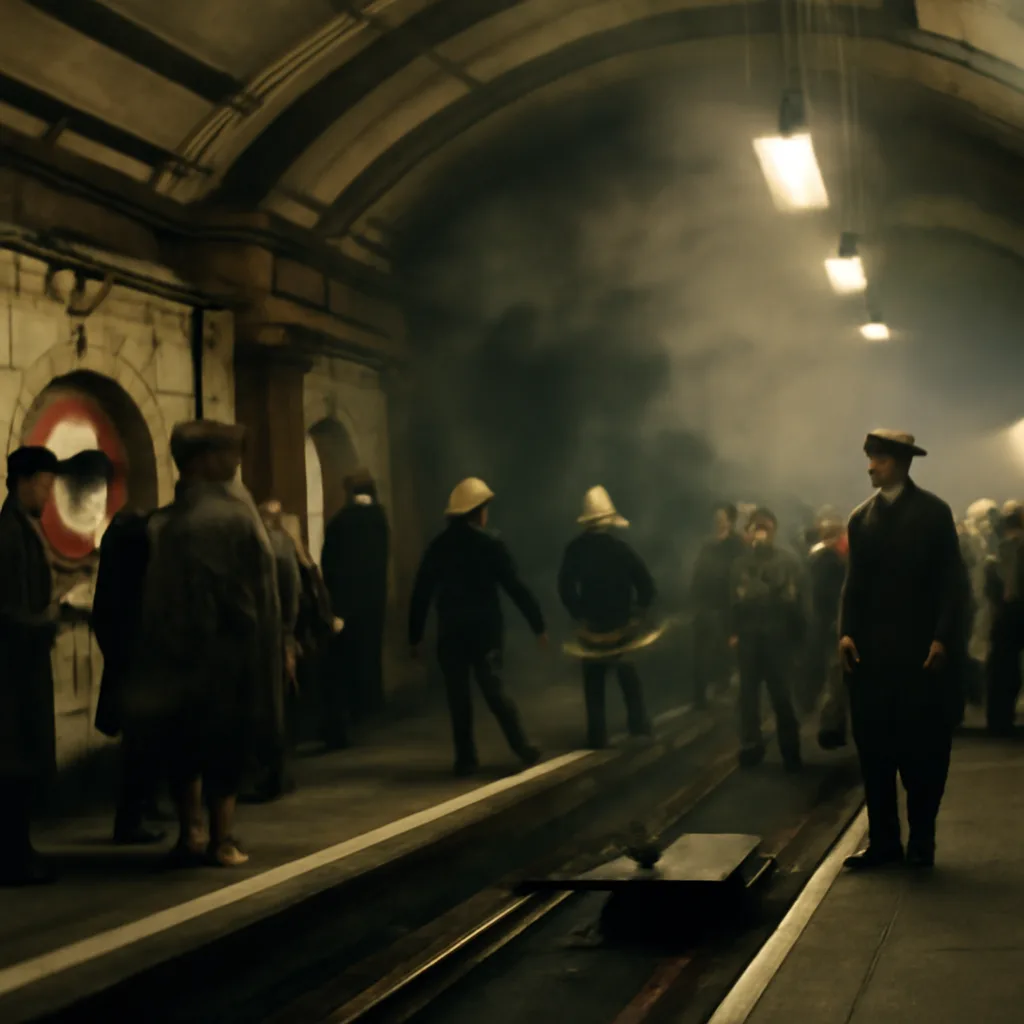
On 18 August 1987 a serious fire occurred on the London Underground, one of the deadliest peacetime incidents on the network in the late 20th century. Contemporary reporting and later summaries indicate the blaze killed dozens of people and injured many more; the event prompted urgent investigations into fire safety, evacuation procedures and carriage materials. The fire took place on a crowded section of the system during summer travel. Initial responses involved station staff, Underground operations personnel and London emergency services. Firefighters worked to control flames and evacuate passengers; hospitals treated burn and smoke-inhalation victims. The scale of casualties led to widespread public concern about the adequacy of safety measures on the Tube. Inquiries after the incident examined possible causes, including ignition sources and the behavior of materials used in train carriages and station fittings. Investigators and transport authorities assessed ventilation, signage, lighting, emergency lighting and passenger evacuation routes. Recommendations from these reviews influenced subsequent safety regulations and retrofits across the network. The event also affected public perception and policy. London Transport and later successor bodies faced pressure to improve fire detection, firefighting access, staff training and emergency communication systems. Over the following years the Underground implemented changes including revised evacuation guidance, upgrades to materials and equipment, and enhanced coordination with local fire brigades. Historical accounts of the 18 August 1987 fire vary in numerical details reported in different sources; some contemporary reports gave differing casualty figures and timelines as authorities worked to confirm identities and causes. What is clear from multiple accounts is that the incident was a catalyst for substantial review of underground fire safety and emergency response practices in London. Because reporting from the time and subsequent summaries contain variations in some specifics, readers seeking detailed casualty lists, technical investigation reports or inquest findings should consult primary sources: archived news reports from August 1987, official investigation and inquest documents held by London authorities or the National Archives, and scholarly assessments of London transport safety reforms in the late 1980s and early 1990s.