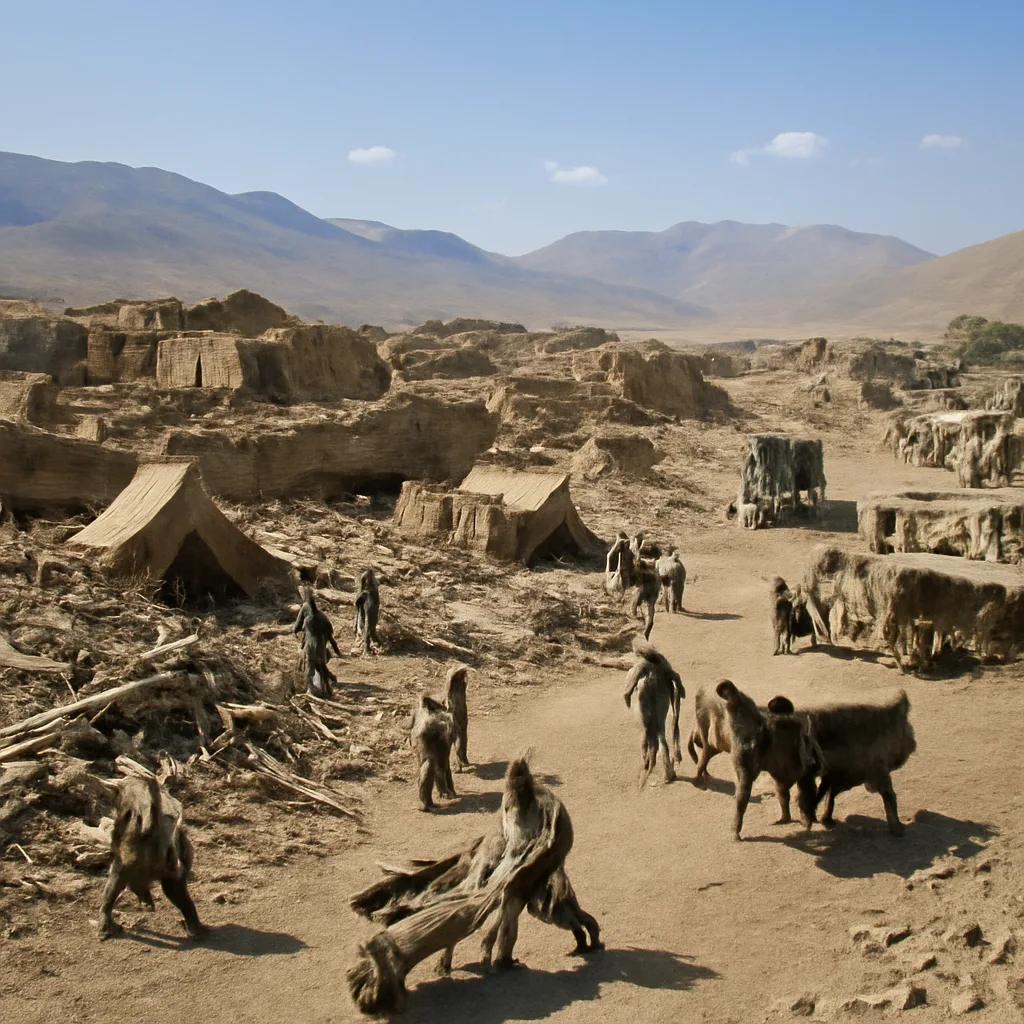
On August 31, 1962, a powerful earthquake struck near Buin Zahra in northwestern Iran, collapsing villages and causing widespread casualties and damage across several provinces. Relief and reconstruction followed amid limited infrastructure and international assistance.
On the morning of August 31, 1962, a major earthquake struck the Buin Zahra region in northwestern Iran, producing widespread destruction across rural settlements and causing a large loss of life. Contemporary seismic estimates place the event at magnitude 6.9–7.1 on the moment magnitude scale (reports vary by agency), with the epicenter in a seismically active portion of the Zagros foothills. The quake and its strong aftershocks flattened adobe and masonry houses in numerous villages, where traditional construction offered little resistance to shaking.
Casualties and damage
Official and academic sources report that the death toll reached into the thousands, with some contemporary accounts estimating between 12,000 and 15,000 fatalities, though precise totals vary across sources and records from the era. Tens of thousands were injured or left homeless. Entire villages near the epicenter were destroyed or rendered uninhabitable. Infrastructure—roads, bridges, irrigation systems and water supplies—was heavily damaged, complicating rescue and relief operations in mountainous terrain and remote farming communities.
Societal impact and response
The affected area included parts of Qazvin Province and neighboring regions, where agriculture and small-scale trade formed the economic base. The destruction of homes, livestock losses and damage to qanat systems and fields threatened livelihoods and prompted urgent needs for shelter, clean water and medical care. Iran’s central government mobilized military and civilian units to assist with rescue operations, temporary shelter and the distribution of supplies. International aid and technical assistance were offered and in some cases accepted, though Cold War geopolitics and limited communications affected the speed and scale of outside involvement.
Reconstruction and long-term effects
Rebuilding after the disaster involved both immediate reconstruction of housing and longer-term changes in planning and construction practices. The earthquake highlighted vulnerabilities in traditional unreinforced masonry and adobe building techniques used across rural Iran. Over subsequent years, engineers and policymakers increasingly emphasized seismic-resistant construction standards for public buildings and encouraged safer building methods—but implementation was uneven, especially in remote communities with limited resources.
Seismological and historical significance
The 1962 Buin Zahra earthquake is remembered as one of Iran’s deadliest 20th-century seismic disasters and has been studied in seismology and earthquake engineering as an example of the risks posed by strong shaking in regions with vulnerable construction. The event added to a pattern of destructive earthquakes in Iran’s history, underscoring the country’s location on active fault systems where tectonic convergence produces frequent seismicity.
Uncertainties and sources
Exact casualty figures and some local details remain uncertain in historical records; contemporaneous reports and later academic studies offer differing estimates. The magnitude and damage assessments likewise vary by source and methodology. The broad contours of the disaster—date, location, severe destruction in villages near Buin Zahra and thousands of deaths—are well documented in post-event analyses and historical accounts.