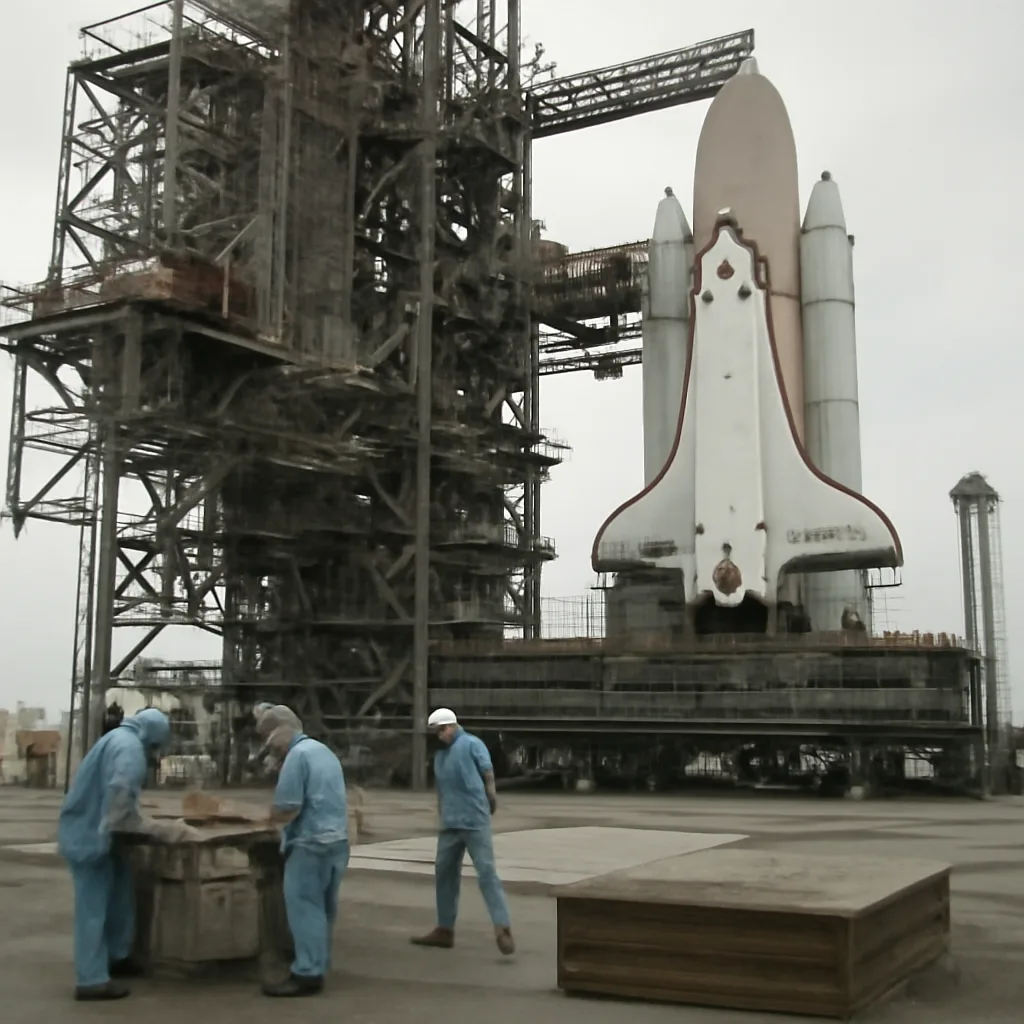
On April 11, 1981, preparations for the first Space Shuttle launch were interrupted when technicians discovered damage at the launch complex attributed to a woodpecker. The incident required inspection and repair of launch pad hardware and contributed to a postponement of activities tied to the inaugural orbital test of the Space Shuttle program. Background The Space Shuttle program marked a new era for NASA, aiming to develop a reusable spacecraft for routine access to low Earth orbit. In 1981, engineers were finalizing prelaunch processing steps for the first orbital test flight. Launch infrastructure at Kennedy Space Center included delicate external systems — sensors, wiring, and protective covers — that required careful preservation during the countdown. Discovery and response During routine pad checks, technicians identified localized damage to nonflight equipment on the launch complex consistent with pecking. Because even minor physical damage to pad systems can affect countdown activities or safety circuits, NASA inspection teams evaluated the affected components to determine the scope of repairs and any impact on launch schedules. Impact on launch schedule NASA officials treated the incident as one of several technical and logistical issues that influence shuttle launch timing. The need to replace or repair damaged components and verify system integrity led to a delay in prelaunch milestones. Rather than a single cause, pad readiness in early shuttle operations depended on resolving numerous small issues to meet strict safety and mission-readiness criteria. Context and significance Wildlife interactions with aerospace facilities have long been a practical concern at spaceports located near natural habitats. Birds and other animals can damage equipment or create foreign-object debris hazards. The woodpecker-related damage in April 1981 is an example of routine environmental factors that agencies must manage when operating complex ground systems. Outcome After inspections and any necessary repairs, launch processing continued under careful monitoring. The first orbital flight of the Space Shuttle program, STS-1 with the orbiter Columbia, ultimately launched later in April 1981 following completion of required preparations and safety checks. Notes on sources and certainty Contemporary NASA records and press coverage of the early shuttle era document a series of pad inspections and technical issues encountered during prelaunch operations. Specific references to woodpecker damage as a contributing factor to schedule adjustments appear in some historical accounts and NASA communications; different summaries emphasize varying causes for delays, so the woodpecker incident should be viewed as one of multiple small issues affecting pad readiness rather than a sole or dramatic cause of postponement.