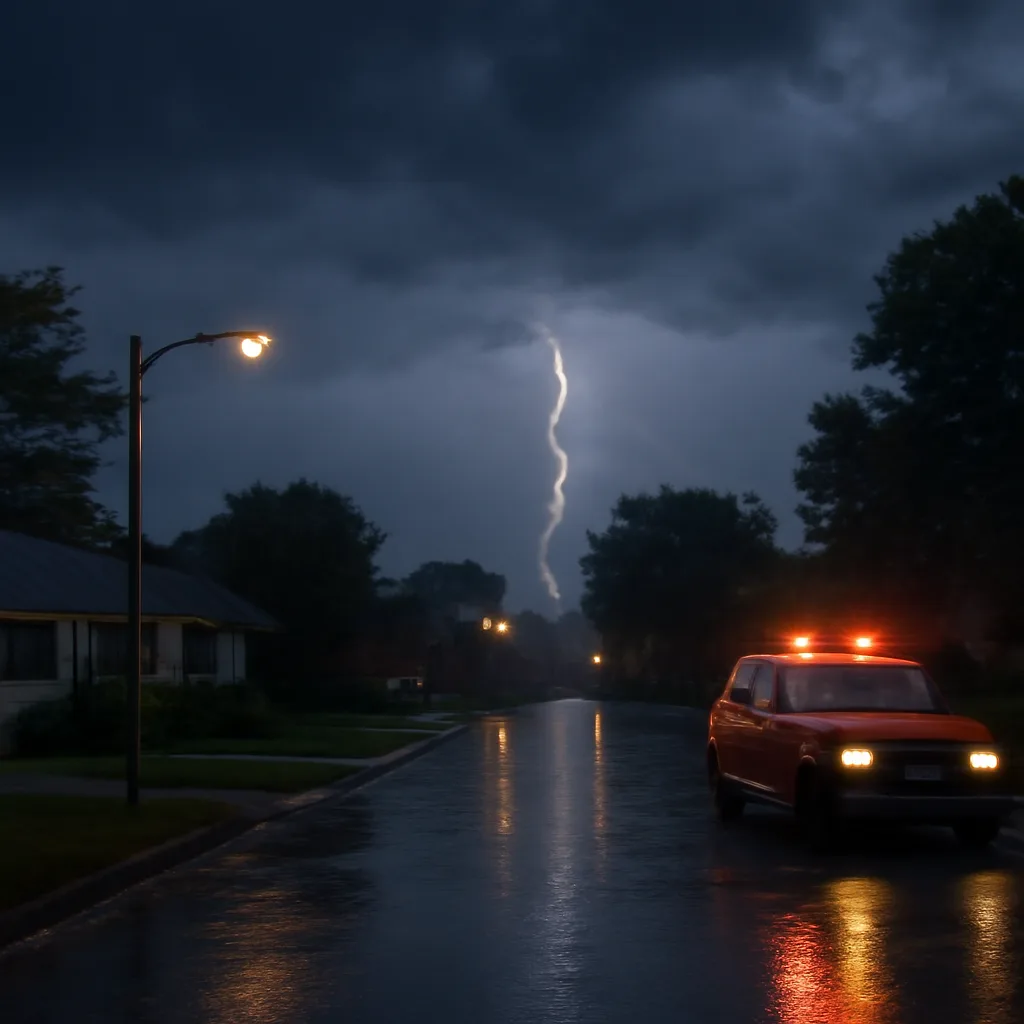
On July 18, during an active thunderstorm, a person reported being struck by lightning while using a mobile phone. According to contemporaneous local emergency responders’ accounts, the individual survived the strike and was transported to a medical facility for evaluation and treatment. Public safety officials on scene advised that lightning can cause a range of injuries from minor burns, hearing and vision disturbances, and temporary neurological symptoms to cardiac arrest, and that outcomes depend on factors such as the strike’s intensity and whether the victim received immediate medical care. Lightning strikes to people are relatively rare but hazardous. The U.S. National Weather Service and other national meteorological agencies note that the risk of being struck increases outdoors during thunderstorms, particularly in open areas or near tall objects. Using a mobile phone itself is not widely identified as a primary lightning attractor in official guidance; however, being outdoors or near conductive structures during a thunderstorm raises risk regardless of whether a device is in use. Authorities typically recommend seeking fully enclosed shelter, avoiding open fields, isolated trees, metal fences, and bodies of water during lightning activity. Emergency responders at the scene reportedly provided first aid and rapid transport. Medical teams generally assess lightning-strike victims for cardiac arrhythmia, respiratory distress, burns at entrance or exit points, and neurological symptoms such as confusion or loss of consciousness. Some injuries can appear delayed; health agencies advise follow-up care even if initial symptoms seem mild. Rehabilitation and long-term effects vary: some survivors recover fully, while others experience persistent neurological or psychological effects. Investigators and public safety officials often examine the circumstances after such incidents to determine exact causes and whether any public-safety guidance should be updated. In many past cases, reports have underscored that the safest options during thunderstorms are to move indoors, avoid contact with conductive surfaces, and refrain from using corded phones or other plugged-in electrical devices. Wireless handheld devices are generally considered lower risk than wired equipment, but no device makes an outdoor location safe during active lightning. This account summarizes initial reports and standard medical and safety context; detailed official statements, medical records, or investigative findings were not available at the time of reporting. Where specifics—such as the exact injuries, the victim’s age or identity, and the precise setting of the strike—were not released by authorities, they are omitted here to avoid speculation. Public-health and weather-safety agencies provide guidance on reducing lightning risk and recommended post-strike medical evaluation for anyone who may have been affected.