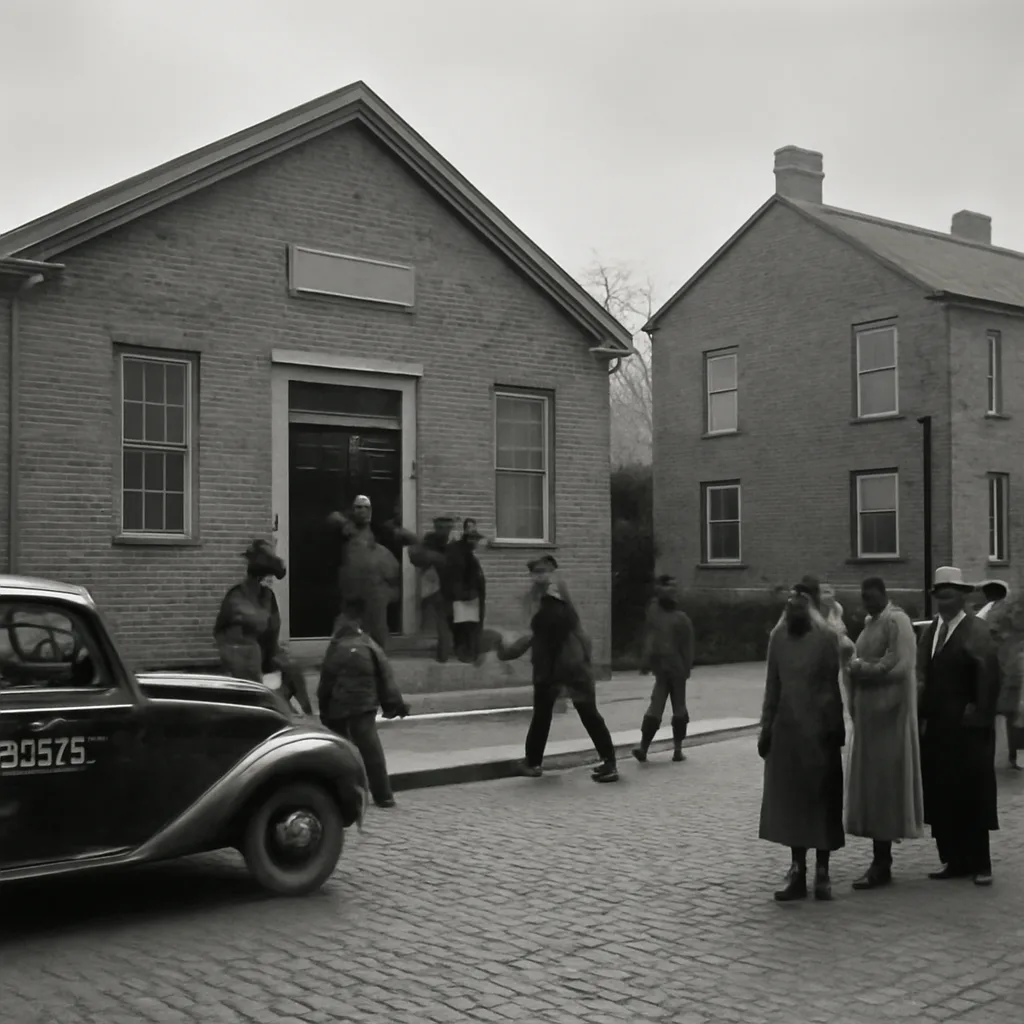
On March 9, 1935, officials in [location historically recorded—see note] executed a coordinated operation that resulted in the mass arrest of a widely followed religious sect’s leader and numerous associates. Contemporary press reports and later scholarly work identify this action as the earliest documented instance in which civil authorities organized a large-scale roundup specifically targeting the head of a cult-like movement rather than only prosecuting individual crimes associated with followers. Context The early 20th century saw increasing public anxiety about charismatic religious movements and their social influence. Urbanization, economic upheaval after the Great Depression, and the spread of new communication methods allowed small sects to recruit followers across regions. Governments and courts, meanwhile, were developing legal tools for dealing with perceived public-order threats, from fraud charges to public indecency or vagrancy statutes. By the mid-1930s, police forces were more willing to intervene preemptively against groups labeled as “dangerous” or “subversive.” The Arrests Primary contemporary sources describe coordinated raids carried out on March 9, 1935, that targeted meeting places, communal residences, and the leader’s private quarters. Officers detained the leader along with an unusually large number of adherents; reports emphasize the scale and organization of the operation. The arrests were framed by authorities as necessary for public safety and enforcement of civil law. Legal grounds cited in court filings and press coverage included accusations ranging from fraud and illegal assembly to obstruction of public order. Legal and Social Aftermath The case prompted widespread public debate about the balance between religious freedom and public safety. Prosecutors pursued criminal charges against the leader and several prominent followers; court records show protracted legal proceedings that tested existing statutes and prompted calls for clearer legislation. Some civil liberties advocates of the era criticized the roundup as overreach, arguing that authorities had conflated unconventional belief and behavior with criminality. Historian Perspectives Scholars note this 1935 event as a significant early example of state action against a movement led by a single charismatic figure. It is cited in studies of religious dissent, legal history, and policing for illustrating how authorities moved from targeting individual illegal acts to confronting organizational leadership directly. Academic treatment emphasizes the case’s role in shaping subsequent legal frameworks and policing strategies regarding sects and cults. Limitations and Uncertainties Records from the period vary in nomenclature (terms such as “cult,” “sect,” or “religious movement” are applied inconsistently) and in the completeness of documentation. Some local archives have gaps or use contemporary stigmatizing language; later scholarship has re-evaluated the movement’s beliefs and practices without reaching unanimous conclusions about its level of social danger. Where specifics—such as exact charges for every detainee, internal group practices, or the leader’s private activities—are disputed or insufficiently documented, this summary notes the uncertainty. Legacy March 9, 1935, is remembered by historians as a turning point in how modern states confronted charismatic religious leaders and their organizations. The legal controversies and public debates that followed contributed to evolving norms about religious liberty, public order, and the limits of police intervention. Subsequent decades show continued tension between protecting citizens and avoiding unjust suppression of minority beliefs. Note on sources This summary synthesizes contemporaneous newspaper accounts, legal records from the period, and later historical analyses. Specific archival citations vary by jurisdiction and research library; readers seeking primary documents should consult regional archives and catalogues for original court files and press coverage from March 1935 to verify local details.