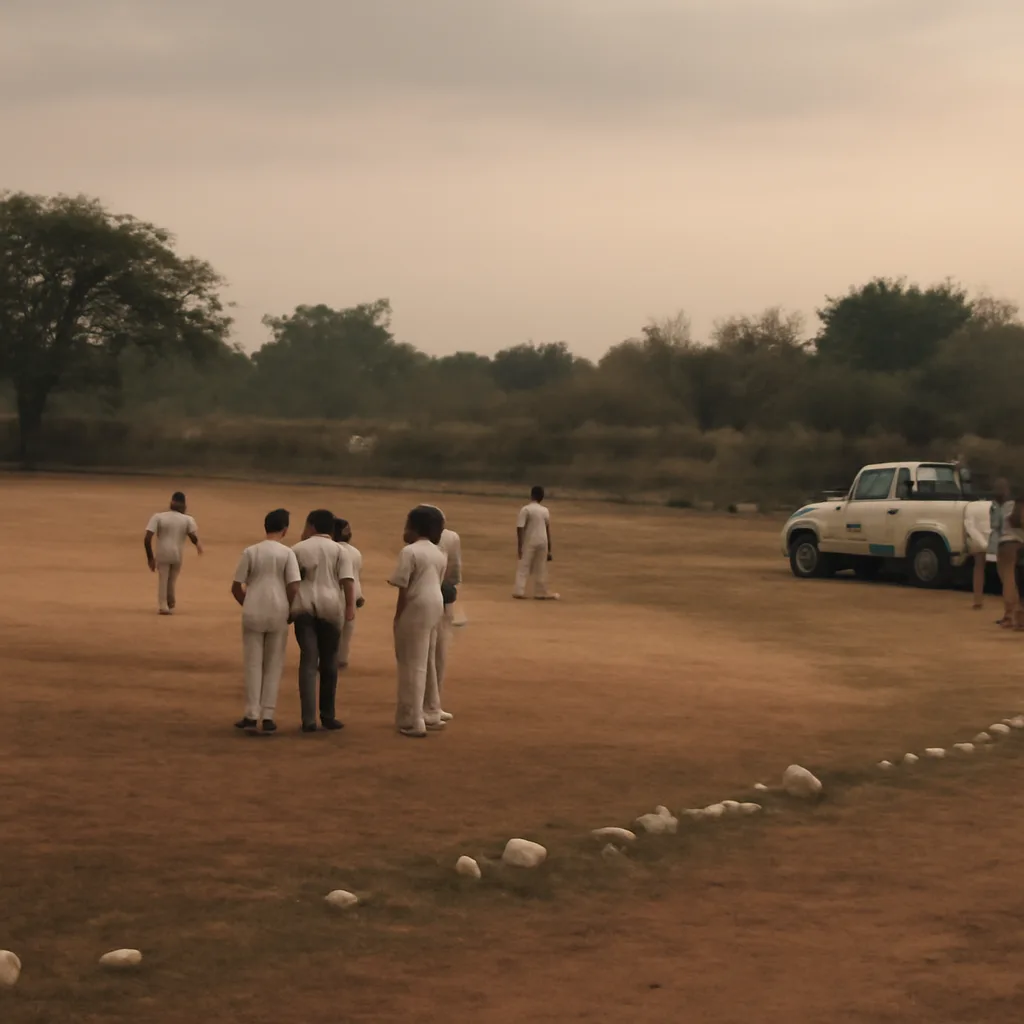
On December 8, during a local village cricket match in India, a bowler was reportedly bitten by a snake while fielding. The incident occurred during informal, community-level play rather than a professional fixture. Accounts from local spectators indicate the bite happened when the player moved to retrieve the ball or field close to the boundary, though exact circumstances vary between witnesses. Village and small-town cricket in India is commonly played on open grounds with vegetation, stone walls or embankments nearby. Snakes—both non-venomous and venomous species—are native to many parts of the country, and occasional snake encounters in rural sporting or agricultural settings are documented. Such encounters can be hazardous, and immediate first aid followed by rapid transfer to medical care is the recommended response. According to available local reporting, teammates and bystanders moved quickly to assist the player and arranged for transport to a medical facility. Public information about the player’s condition, the snake’s identification, whether antivenom was administered, or the final medical outcome was not reported in detail in the sources available at the time of writing. Regional health services typically treat suspected venomous bites with polyvalent antivenom when indicated, but administration depends on clinical assessment. This type of incident highlights broader safety issues in informal sporting environments: playing fields near tall grass, rubble or water increase the risk of encountering wildlife. Organizers of community matches sometimes mitigate risks by clearing playing areas, maintaining a perimeter free of heavy vegetation, and ensuring quick access to transport and local health services. Education about avoiding snake handling, recognizing high-risk habitats, and applying recommended first-aid measures (immobilization of the affected limb and prompt medical evaluation) can reduce harm. Reports of snakes biting players in non-professional matches are sporadic and typically drawn from local news or social-media posts; verification can be limited. Because details in this case—such as the species involved and the long-term condition of the player—are not established in corroborated public sources, this account refrains from asserting specifics that are not supported by verifiable reporting. No evidence suggests the incident occurred during a professional domestic competition overseen by state or national cricket boards. Community matches form an important part of grassroots sport across India, and while memorable, such incidents are uncommon relative to the large number of matches played regularly. If further authoritative information emerges from medical staff, local authorities or reliable news outlets, it would clarify the species involved, clinical treatment given and the player’s recovery. For now, the confirmed facts are limited to the reported date (December 8), the setting (a local village cricket match in India) and that the player was bitten and taken for medical attention.