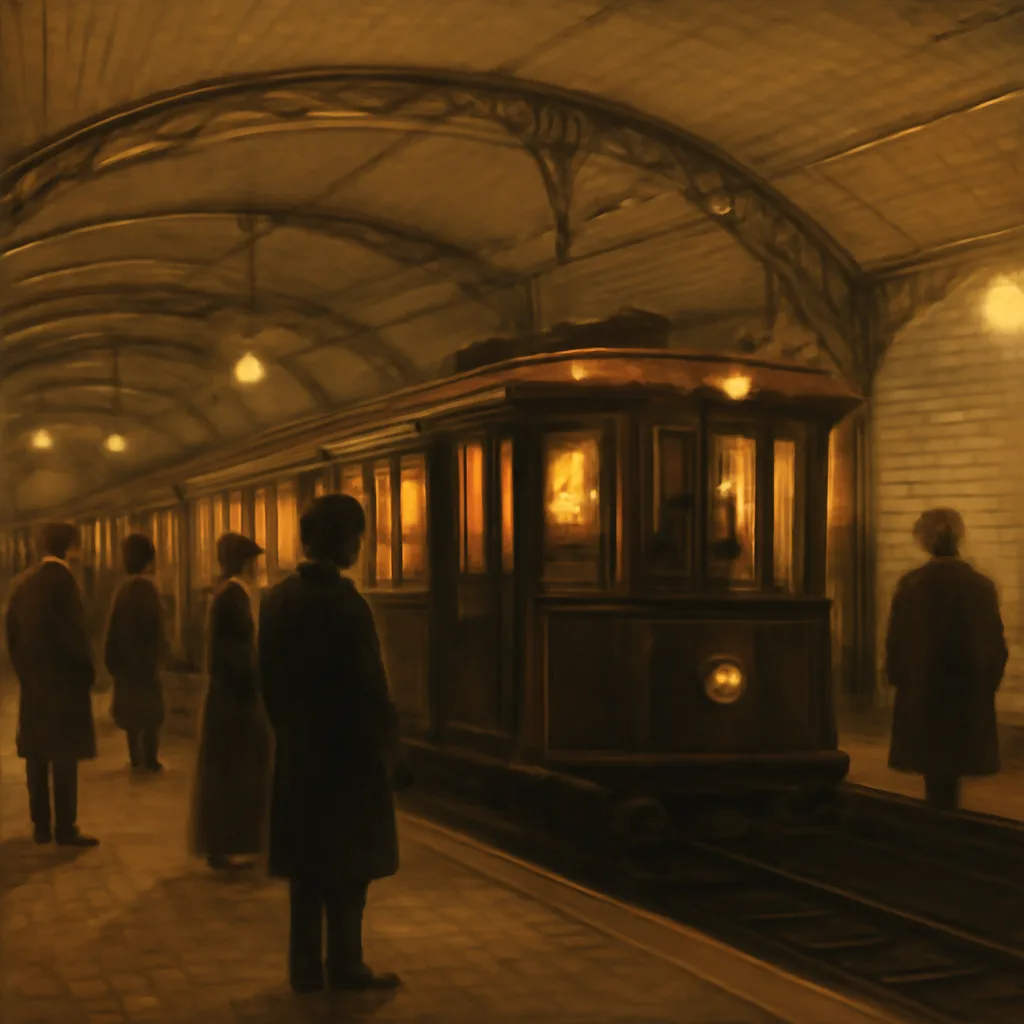
The question of the "first electric subway" depends on how one defines terms such as "subway," "underground," and "electric traction." Several early urban railways used electricity in whole or in part during the late 19th century, and the opening dates of those systems are important for accurate attribution. Budapest (Millennium Underground Railway, M1): Opened to the public on May 2, 1896, for the Millennial Exhibition and began scheduled service shortly thereafter; its rolling stock used electric traction and the line ran beneath Andrássy Avenue. The Millennium Underground is widely recognized as the first underground railway on the European continent using electric traction and was later listed as a UNESCO World Heritage site for its historic significance and preserved stations. London (City & South London Railway and Central London lines): London’s earliest deep-level tube lines opened in the late 1890s. The City & South London Railway opened in 1890 as the first deep-level electric railway, initially using electric locomotives and later electric multiple units; it is often cited as the world’s first deep-level tube railway with electric traction. Other London lines followed through the 1890s and early 1900s, consolidating the city’s role in early electric urban rail. New York and other cities: New York City converted many lines from steam to electric traction around the turn of the century, and its first electric underground services also appeared in the 1890s and early 1900s. Elsewhere, electrified urban railways—surface trams, elevated lines, and sub-surface tunnels—were introduced at different times, complicating a single global "first" claim. Why 1900 appears in some accounts: By 1900, electric traction had become the accepted technology for new underground railways and for converting older steam-operated tunnels. Some secondary sources use 1900 as a convenient round year to indicate the period when electric subways became the dominant model for new metropolitan lines. However, precise firsts occurred in the 1890s (notably London 1890 and Budapest 1896), so stating that the "first electric subway began service in 1900" is inaccurate if taken as a literal claim. Historical significance: Early electric underground railways solved practical problems posed by steam operation—ventilation, smoke, and tunnel conditions—and enabled deeper tunnels and more frequent service. The success of early electric lines in London and Budapest influenced urban transport planning worldwide and led to widespread adoption of electric multiple-unit designs, electrified third-rail or conductor systems, and standardized station architecture in the early 20th century. Uncertainties and disputes: Historians and transit authorities sometimes disagree about which system deserves the "first" label because of differing criteria: first electrified tunnel, first deep-level electric railway, first electric rolling stock, or first continuously operated electric subway. Relevant primary dates include London’s City & South London Railway (1890) and Budapest’s Millennium Underground (1896). Claims centered on the single year 1900 reflect a broader transition rather than an original opening date. In short: electric underground railways began regular public service in the 1890s, with key early examples in London (1890) and Budapest (1896). By 1900 electric subway systems were established practice for new metropolitan railways, but 1900 itself is not the literal opening year of the earliest electric subways.