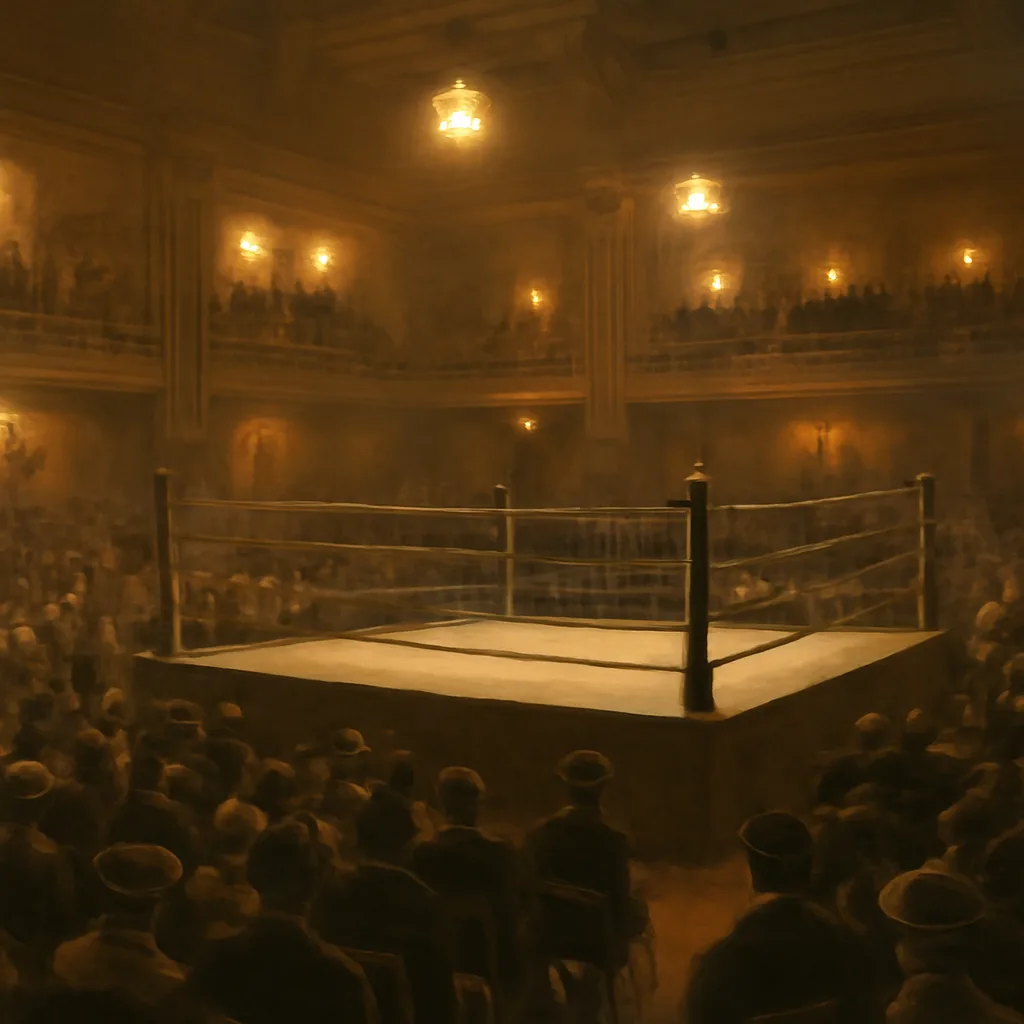
On June 8, 1905, in the United States, a bout that later historians and wrestling chroniclers often point to as the first “modern” professional wrestling championship took place. The match illustrated the transition in pro wrestling from open challenge, catch-as-catch-can contests and legitimate back-and-forth competition toward more organized, advertised championship contests that emphasized recognition, promotion, and sustained public interest. Context At the turn of the 20th century, professional wrestling existed in several overlapping forms: legitimate catch-as-catch-can grappling, touring strongmen who issued challenges, and locally promoted spectacles. Promoters, newspapers, and the wrestlers themselves began to treat certain matches as championship contests—contests where a recognized title or claim to supremacy was at stake. This shift reflected growing urban audiences, the rise of sports journalism, and promoters’ interest in creating recurring draws. The June 8, 1905 Match Sources vary on specifics such as venue and billing, and wrestling history from this era can be fragmentary. What is reasonably established by contemporary newspaper reports and later compendia is that a high-profile championship-style match occurred on that date and was presented to the public as a title contest. It featured prominent grapplers of the era and drew attention beyond a single local crowd because of press coverage and the match’s billing as a championship. Significance Historians view the event as significant not necessarily because it was the absolute first time two wrestlers agreed to contest a title, but because it exemplified the emergent model of a promoted, named championship that could be defended, disputed, and used to build a wrestler’s reputation across events and regions. That model would underpin much of 20th-century professional wrestling, in which promoters and athletes cultivated lineage, recognition, and recurring marquee matches. Caveats and Sources Wrestling history in the early 1900s is unevenly documented. Different newspapers, regional promoters, and later historians sometimes disagree about which match deserves the “first modern championship” label. Some earlier challenge matches had title-like status in local circuits; this June 1905 bout is notable because it received broader attention and is commonly cited in secondary histories of pro wrestling. Primary sources for this period include contemporary newspaper accounts, promotional posters archived in libraries and collections, and later wrestling histories that synthesize those materials. Where full details (exact venue, attendance, or a unanimous contemporary consensus on “championship” status) are absent or disputed, historians note the ambiguity rather than asserting certainty. Legacy Whether or not the June 8, 1905 match is the singular first modern championship, its place in wrestling historiography highlights the sport’s transformation from disparate local contests to a promoted entertainment with recognized titles. That evolution set the stage for the 20th-century practices of championship lineages, touring title defenses, and the promotional structures that made professional wrestling a mass entertainment form.