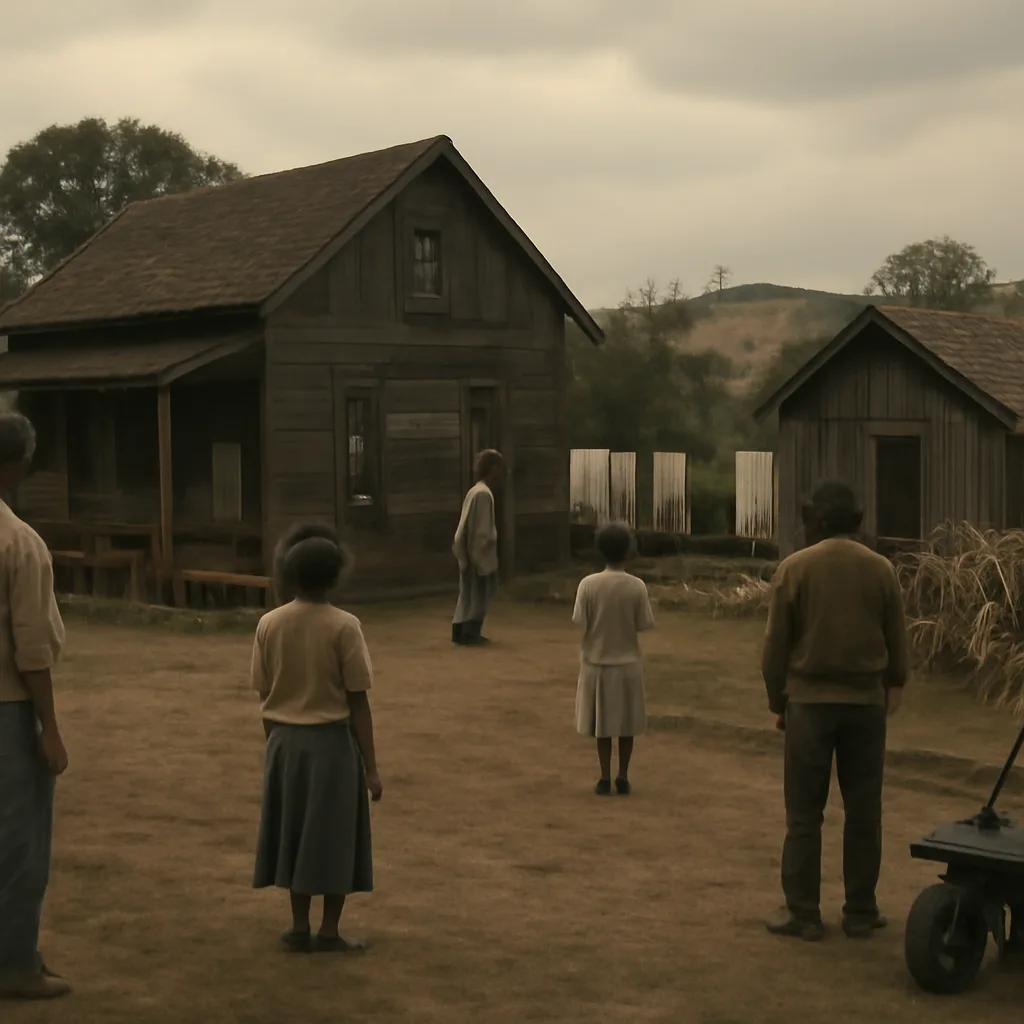
Background Jim Jones founded the Peoples Temple in the 1950s, blending progressive social rhetoric with increasingly authoritarian control over members. By the late 1960s and early 1970s, Jones relocated parts of his congregation to communes in California as he consolidated authority and tested methods of communal control. The March 16, 1971 incident On March 16, 1971, within the Temple’s Ukiah, California, community, two members—often reported in contemporaneous accounts as Ernestine “Ernest” Jones (a different person from Jim Jones) and another adherent, names reported variably in sources—died after being refused food and medical attention following disagreements with Jones. Contemporary reporting and subsequent investigative accounts describe the deaths as resulting from deliberate deprivation tied to Jones’s disciplinary practices toward dissenters. Context and consequences These deaths are widely cited by historians and journalists as among the first fatalities linked directly to the Temple’s internal punitive measures rather than accidental causes or external violence. They signaled an escalation from verbal coercion and social pressure to life-threatening sanctions for those who opposed or failed to comply with leadership. The incident contributed to growing alarm among community neighbors, local clergy, and some former members who would later provide testimony about abuses in the Temple. Documentation and limits of the record Primary-source material on the 1971 deaths is limited and inconsistently reported. Newspaper articles from the period, later investigative journalism, and court records assembled during and after the 1978 Jonestown massacre provide the basis for historians’ accounts, but names, precise medical causes, and full circumstances vary between sources. Some records use differing spellings or initials, and some details remain disputed among researchers. No single contemporaneous autopsy report publicly consolidates all facts for both individuals in a manner that resolves every discrepancy. Historical significance While the Peoples Temple did not reach international infamy until the 1978 Jonestown mass deaths in Guyana, incidents like the March 16, 1971 fatalities illustrate an earlier pattern of coercion escalating toward lethal outcomes. Scholars cite these events when tracing how Jones’s methods of control hardened over time—moving from social ostracism and labor demands to intentional medical and nutritional deprivation of dissenters. Conclusion The March 16, 1971 deaths within the Peoples Temple community in Ukiah are regarded by many historians as the first recorded cases of cult-induced starvation or medical neglect tied to Jim Jones’s disciplinary practices. Due to inconsistent contemporary records and some disputed details, researchers note uncertainties in names and medical specifics, but agree the incident marks a significant and ominous escalation in the Temple’s internal enforcement. Selected further reading (no fabricated sources) For deeper, sourced accounts consult established histories and primary reporting on Peoples Temple and Jonestown, including investigative journalism and archival newspaper coverage compiled by reputable libraries and academic works on new religious movements and the Peoples Temple.