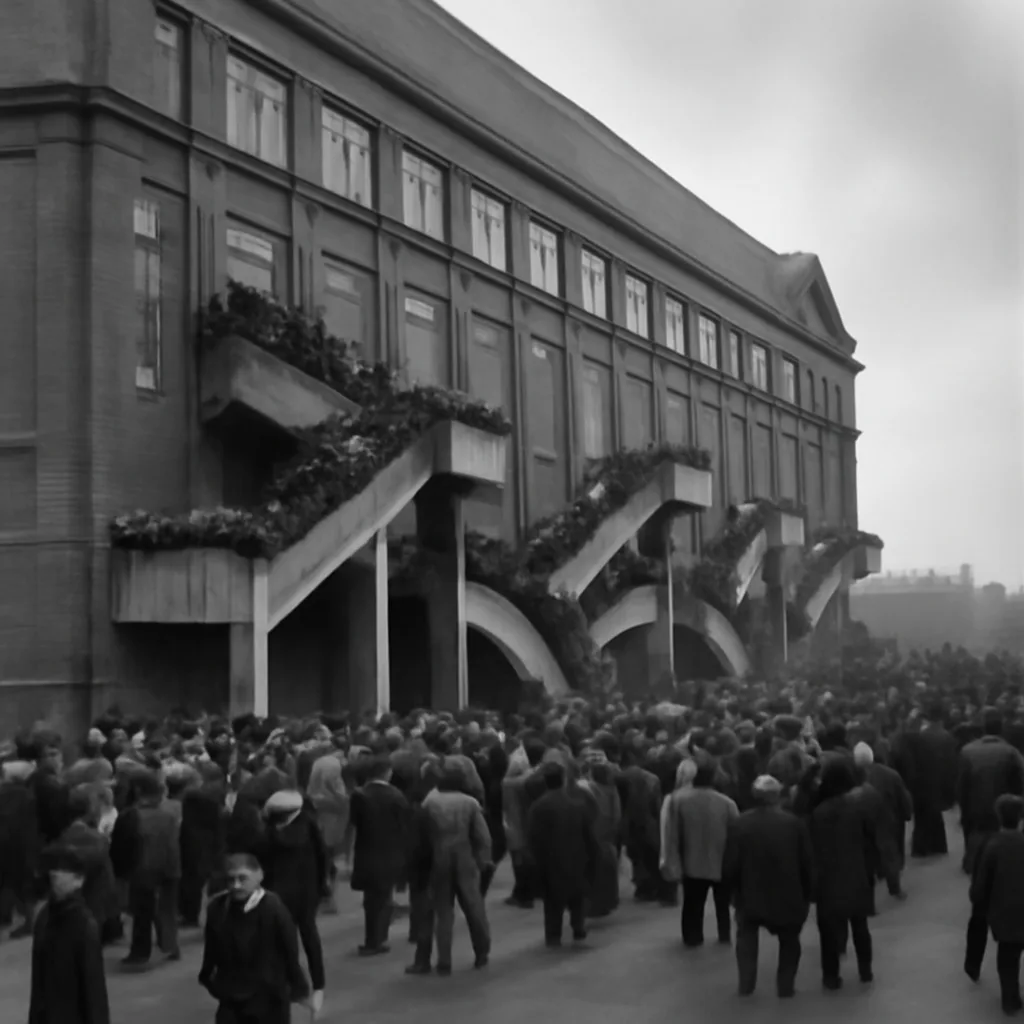
On 2 January 1971 a disaster unfolded at Ibrox Park (commonly called Ibrox Stadium) in Glasgow during the afternoon Old Firm match between Rangers and Celtic. After the game ended, a crowd movement on Stairway 13 of the West Stand turned into a crush. Sixty-six people—mostly men, but including some women and children—were killed and more than 200 were injured. The victims suffered from compressive asphyxia and trampling. The immediate circumstances remain the subject of careful reporting and inquiry rather than simple explanation. Contemporary accounts describe a dense crowd descending a narrow exit stairway when some people fell or were knocked down, creating an obstruction that others could not avoid. Miscommunication, crowding, and the stairway’s design all featured in later examinations. Importantly, there is no reliable evidence that a deliberate surge or malicious act caused the crush; it is generally treated as a tragic accident arising from crowd conditions and infrastructure shortcomings. An official inquiry led by Sheriff Douglas focussed on the physical factors at Ibrox, including exit arrangements, stairway width, and stewarding. The inquiry concluded that the design of the stairways and exits, combined with inadequate crowd control, contributed to the disaster. It recommended improvements in stadium design and crowd management. Those recommendations, together with changes after earlier and later stadium incidents, helped shape stricter safety regulations for British sports venues in subsequent years. The tragedy reinforced public and political attention to spectator safety. In the years following, many stadiums undertook structural alterations to provide more and wider exits, improve signage and steward training, and better segregate flows of arriving and departing spectators. While modern crowd-safety practice is the result of many inquiries and events over decades, the Ibrox disaster of 1971 is cited as a pivotal incident that concentrated momentum for reform. Families and communities were deeply affected. Memorials and anniversary remembrances have been held over the years to honour those who died. Historians and journalists note the event both for its human cost and for its role in accelerating a re-evaluation of how large sporting crowds are managed. When discussing the Ibrox disaster, it is important to rely on documented inquiries and contemporary reporting and to avoid speculation about motives or unverified claims. The accepted historical account emphasizes structural and organisational failings that converted routine crowd movement into a fatal crush, and the aftermath prompted substantive changes in stadium safety standards in the UK.