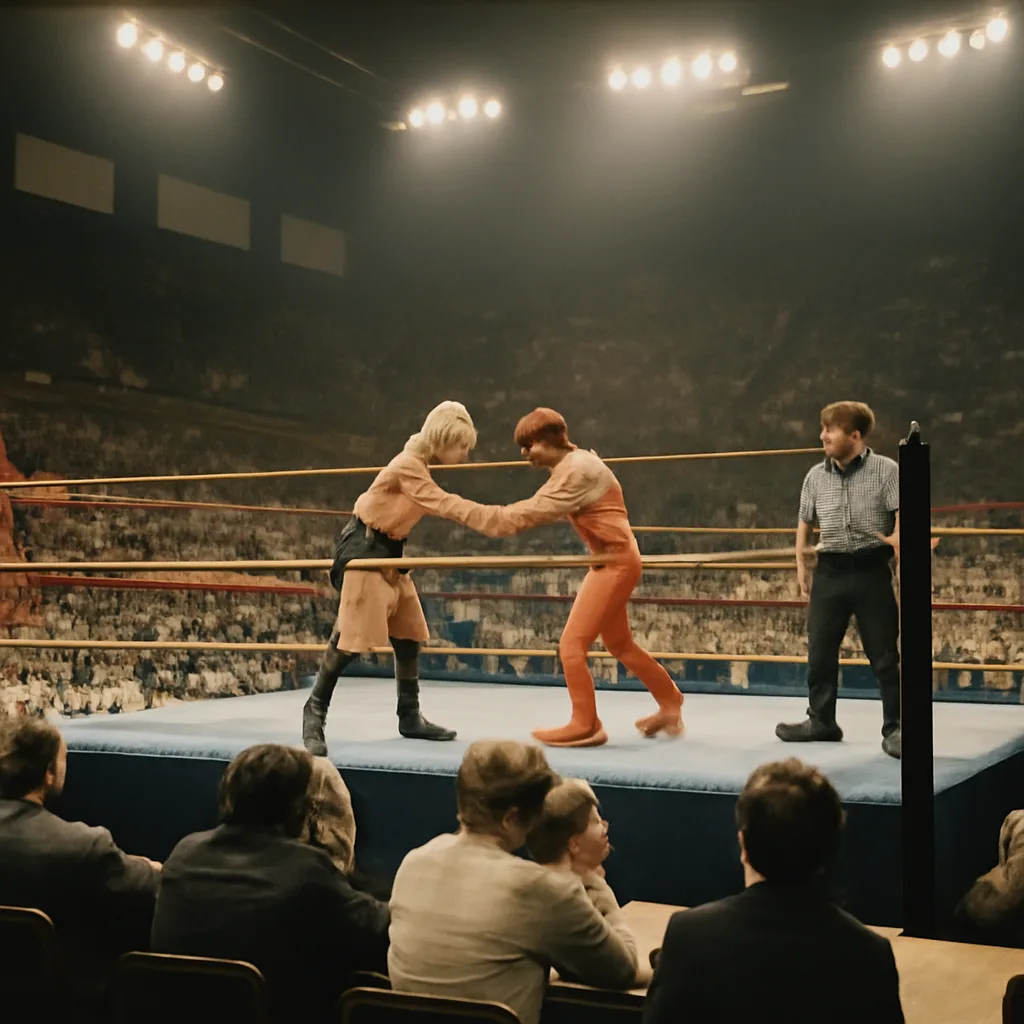
On January 23, 1984, at Madison Square Garden in New York City, Terry “Hulk Hogan” Bollea defeated The Iron Sheik to win his first WWF World Heavyweight Championship. The match and title change are widely recognized as a turning point in the World Wrestling Federation’s move from regional promotion to national, mainstream entertainment under the leadership of Vince McMahon. Background In the early 1980s the WWF (now WWE) was transitioning from the territorial era of professional wrestling toward a nationally syndicated, cable-driven model. The Iron Sheik (Hossein Khosrow Ali Vaziri) had won the WWF World Heavyweight Title from Bob Backlund on December 26, 1983. The decision to put the belt on Hogan—then a charismatic babyface figure cultivated for broad appeal—reflected the company’s strategy to market wrestling as family-friendly, television-oriented spectacle. The match Contemporary accounts and WWF records indicate the title change took place at Madison Square Garden. The finish saw Hogan pin The Iron Sheik following his signature leg drop, securing the three-count and the championship. Photographs and event listings from the period document the match and the crowd reaction, though modern recollections occasionally vary on precise backstage details and the degree of the booking’s spontaneity. Aftermath and historical significance Hogan’s reign marked the beginning of a multi-year period in which he became the face of the WWF and a central figure in the company’s expansion. Hogan headlined numerous major events, including the inaugural WrestleMania in 1985, and became a pop-culture figure beyond wrestling. The title win is commonly cited by historians and journalists as a catalyst for the WWF’s successful national expansion, increased television syndication, mainstream merchandising, and crossover celebrity appearances. Context and caveats Professional wrestling outcomes are predetermined entertainment, and analyses of this period combine documented event dates with company promotional strategy. While the date and venue of the January 23, 1984 title change are supported by contemporary event records and media coverage, some anecdotal details and backstage stories from this era are disputed among participants and historians. This summary focuses on verifiable public facts: the date, the competitors, the venue, and the broader historical impact of Hogan’s championship victory. Legacy Hogan’s first WWF World Heavyweight Title run helped define 1980s professional wrestling aesthetics—larger-than-life personalities, televised storytelling, and mass-market promotion. The image of Hogan as a mainstream celebrity and box-office draw reshaped how wrestling promotions packaged their product and cultivated national audiences, with effects that persisted long after his initial reign. Sources and verification This account is based on event records, contemporaneous reporting, and later retrospective coverage of WWF/WWE history. Where anecdotes or backstage narratives differ between sources, this summary emphasizes documented match results, dates, and the broadly acknowledged significance of the title change.