Chartered plane carrying Chapecoense team crashes in Colombia, killing most on board
A chartered flight carrying Brazil’s Associação Chapecoense de Futebol to a continental final crashed near Medellín, Colombia, on December 29; most passengers, including players and staff, were killed and only a few survivors were reported.
On December 29, a chartered Avro RJ85 carrying members of Brazil’s Associação Chapecoense de Futebol, club staff, journalists and crew crashed near Medellín, Colombia, while en route to play the first leg of the Copa Sudamericana final. The aircraft was operating a charter flight from Santa Cruz de la Sierra, Bolivia, to José María Córdova International Airport. Authorities and international media reported that the majority of the 77 people on board were killed; a small number survived and were transported to hospitals in the region.
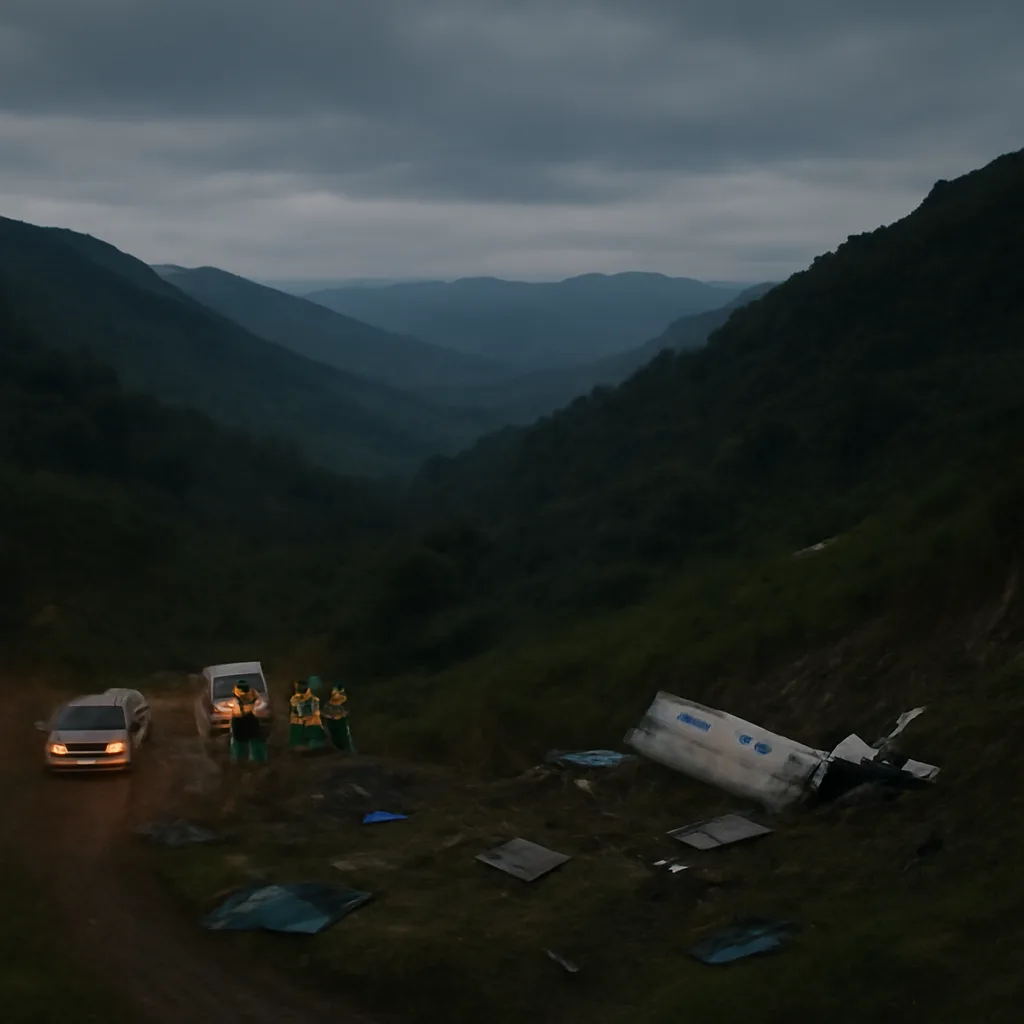
According to Colombian civil aviation and emergency services, the wreckage was located in mountainous terrain near the municipality of La Unión, in the department of Antioquia. Rescue teams, including Colombian police and firefighters, reached the crash site amid difficult weather and access conditions. Local officials and emergency responders described an intensive search and recovery operation focused on locating survivors, recovering bodies, and securing the site.
Chapecoense is a professional football club based in Chapecó, in Brazil’s southern state of Santa Catarina. The team had been traveling to Medellín to face Atlético Nacional in the first leg of the Copa Sudamericana final, a major continental competition run by CONMEBOL (the South American Football Confederation). The club’s delegation included players, coaching staff, club officials, and a contingent of journalists and technical personnel.
Immediately after the accident, Colombian authorities opened an investigation to determine the circumstances that led to the crash. Investigators from Colombia’s aviation authority (Aerocivil), the country’s air accident investigation agency, and other technical teams examined the wreckage and flight records. CONMEBOL and Brazilian football authorities also expressed condolences and coordinated with investigators and Chapecoense representatives. Airlines, clubs and football fans worldwide offered support and condolences to the victims’ families and to the club.
The tragedy prompted an outpouring of international solidarity from the global football community and beyond. Clubs, players and governing bodies observed moments of silence, issued statements of condolence, and offered logistical and financial support to Chapecoense. Atlético Nacional, the scheduled opponent, publicly expressed grief and later requested that CONMEBOL award the title to Chapecoense in honor of the victims; CONMEBOL subsequently took measures in response to the request.
Officials cautioned that establishing the precise cause of the crash would take time. Investigators planned to analyze flight recorders (the cockpit voice recorder and flight data recorder), maintenance records, fuel documentation, communications with air traffic control, and other relevant materials. Determinations about mechanical failure, human factors, weather conditions, fuel planning or other elements would be based on technical analysis and could take months to complete.
In the immediate aftermath, local hospitals in Medellín and surrounding areas treated survivors for severe injuries. Chapecoense and Brazilian authorities worked to identify the deceased and coordinate repatriation of remains. The club’s home city and fans around the world organized memorials and vigils. The event had a profound impact on Brazilian football and the wider sporting community, leading to expressions of grief, solidarity and offers of support for the club’s rebuilding and for the families affected.
Because formal investigations were ongoing at the time, some details about the sequence of events and technical causes remained subject to official findings. Reporting and official statements from aviation authorities, CONMEBOL and Chapecoense provided the basis for public knowledge of the crash, response operations and subsequent actions by football authorities and clubs.