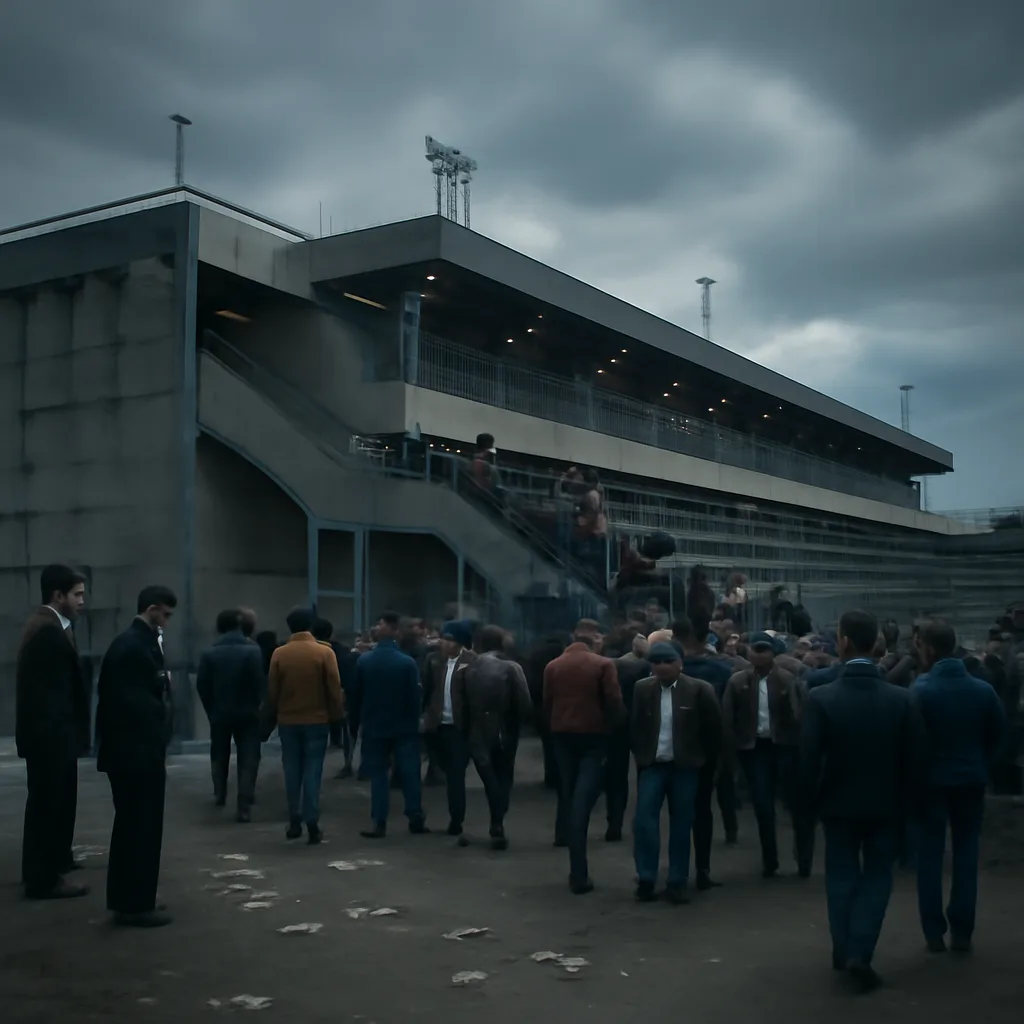
On 29 May 1985, the European Cup final at Heysel Stadium in Brussels ended in catastrophe when violent confrontations and a mass surge among spectators led to a collapse of a retaining wall and the deaths of 39 people, most of them Italian supporters of Juventus. The match between Juventus and Liverpool proceeded amid shock and controversy; Juventus won 1–0, but the sporting result was overshadowed by the human toll. Background and setting Heysel Stadium (Stade du Heysel), built in the 1930s and by the 1980s showing signs of deterioration, had seated and terraced areas separated by low barriers and concrete walls. On the day of the final, around 58,000 spectators attended. Tensions between rival supporters—particularly between some Liverpool fans and groups of Juventus supporters—escalated in the stands and approach routes to the terraces. Sequence of events Before kickoff, scuffles and projectile-throwing occurred in the terraces. At around kickoff time, a group of Liverpool fans charged toward a neutral zone and a section occupied largely by Juventus fans. The surge pushed people against a poorly maintained retaining wall; that wall failed and a number of people fell from the terrace. The resulting crush in a confined area trapped and asphyxiated many. Emergency response and evacuation were hampered by crowding, limited stadium access points, and confusion about the scale of the incident. Casualties and injuries Thirty-nine people died, most of whom were Italian, including a number of Juventus supporters. Hundreds were injured, with injuries ranging from fractures and blunt trauma to severe crush asphyxia. The exact count of injured varies by source, reflecting the chaotic aftermath and differing methods of accounting. Investigations and legal outcomes Belgian authorities launched investigations into the stadium conditions, policing, and crowd control. Criminal trials considered the conduct of fans and the adequacy of stadium safety and stewarding. In the years after the disaster, several individuals received convictions for involuntary manslaughter and participating in violent conduct, though legal processes and responsibilities were complex and contested. Separate inquiries criticized Belgian stadium infrastructure and organizational failures that contributed to the scale of the tragedy. Consequences for football and public safety The Heysel disaster prompted significant changes in stadium safety standards across Europe. UEFA and national associations reviewed crowd control, segregation of rival fans, stadium maintenance, and emergency access. Within a day of the event, UEFA imposed a ban on English clubs competing in European competitions; that ban lasted five years for most clubs and six years for Liverpool, having long-term sporting and financial consequences. Remembrance and legacy Victims’ families and national communities commemorated the dead in Italy, Belgium, and elsewhere. The disaster remains a reference point in discussions of spectator safety, policing strategy, and the responsibilities of football governing bodies and stadium operators. Heysel’s name is linked with reforms that later influenced stadium designs, all-seater requirements in some countries, and more rigorous safety inspections. Uncertainties and contested issues Accounts differ on the extent to which hooliganism versus poor infrastructure or policing failures were the primary cause. While violent behavior by some supporters played a role in triggering the fatal crush, investigators and commentators have emphasized that the stadium’s physical condition, limited exits, and crowd-management shortcomings were decisive in producing such high casualties. The Heysel disaster remains one of the darkest episodes in European football history, remembered both for the lives lost and for the systemic changes in safety it helped to accelerate.