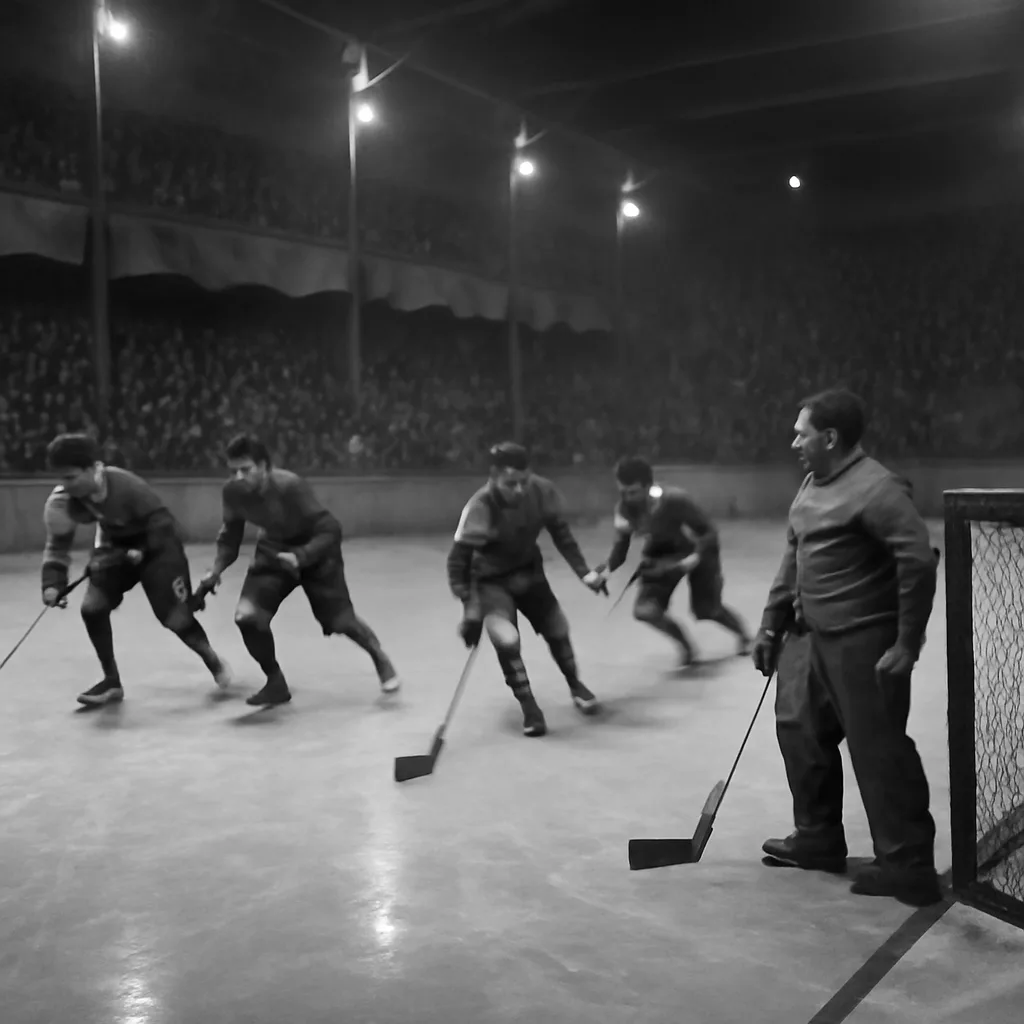
On April 5, 1938, the Chicago Black Hawks won the Stanley Cup in a memorable and atypical manner that remains part of hockey lore. The final series against the Toronto Maple Leafs ended with Chicago claiming the championship after a hectic Game 4 in which they relied on an emergency goaltender located among spectators when their regular netminder could not continue. Context The 1937–38 NHL season featured the Chicago Black Hawks (now spelled Blackhawks) and the Toronto Maple Leafs meeting in the Stanley Cup Final. NHL rules and roster practices in the 1930s were far less formalized than today: teams often carried few reserve players and did not have the same protocols for backup goaltenders. Injuries and equipment issues could force improvisation during games. The game and the emergency goaltender Accounts from contemporary newspaper reports describe a situation in which Chicago's regular goaltender was rendered unable to continue—reports vary on whether the cause was injury or equipment failure. With no regular substitute immediately available, the Black Hawks used a goaltender who was in the arena stands and who had some hockey experience. Sources from the period identify the stand-in as an amateur or local player brought in to finish the match. He wore borrowed equipment and helped Chicago complete the game, allowing the team to secure the Cup. Disputed details and sources Reporting from the 1930s is not entirely consistent about the identity and precise circumstances of the emergency goaltender. Some contemporary newspapers gave names and local details; others described the figure more generically. Modern summaries of the incident draw on those period accounts, but historians note discrepancies in the reporting—particularly concerning how the goaltender came to be in the stands, the extent of his prior playing experience, and whether the substitution followed any formal league approval. Because of these inconsistencies, specific personal details should be treated cautiously unless corroborated by primary sources such as game sheets or contemporaneous wire-service reports. Significance The episode highlights several aspects of 1930s professional hockey: smaller rosters, looser administrative procedures, and a culture in which improvisation could decide a major championship. The Black Hawks' 1938 victory became part of NHL folklore and is often cited when discussing unusual or dramatic finishes in Stanley Cup history. While later decades brought standardized backup-goaltender rules and tighter operational controls, the 1938 final remains an example of how different the game’s logistics once were. Legacy Because reporting varies, the story is typically recounted with caveats about uncertain details. It persists in team histories and retrospectives as a striking anecdote rather than a fully documented biographical episode. For researchers seeking definitive verification, primary sources from April 1938—contemporary newspaper accounts, game summaries, or NHL records—should be consulted to reconcile conflicting reports. Note on terminology Historical sources often used the team name “Black Hawks”; the club’s modern spelling is “Blackhawks.” This summary retains period-appropriate references where they apply to 1938 events.