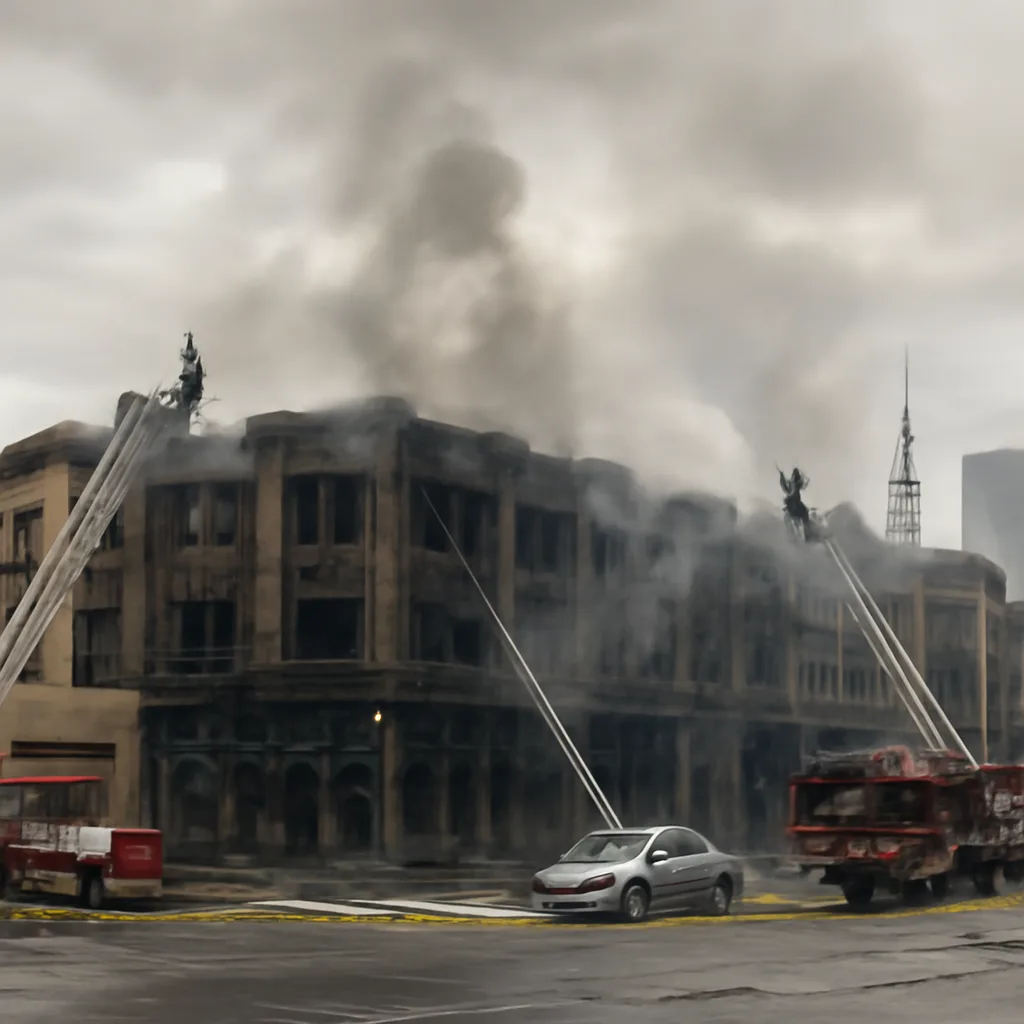
On April 19, a large fire moved through downtown Toronto, burning multiple blocks and leaving significant structural damage across a concentration of commercial and residential buildings. Firefighters from Toronto Fire Services responded with multiple engines and aerial units, working through the day and into the night to contain the blaze and prevent further spread. Streets surrounding the affected area were closed for public safety, and nearby transit service was disrupted. Local officials reported widespread property damage and evacuations; at the time of reporting, emergency services were focused on search and rescue in evacuated structures, securing unstable buildings, and extinguishing remaining hotspots. Hospitals and emergency medical teams were placed on alert to treat those with burns, smoke inhalation, or other injuries. Authorities advised residents in adjacent neighborhoods to avoid the area because of falling debris and poor air quality. The exact number of buildings destroyed or the total economic loss had not been determined immediately after the fire; assessments were planned once it was safe for structural engineers and insurance adjusters to enter the site. City officials also announced that temporary shelter and support services would be made available for displaced residents and business owners. Investigators from the fire department and other relevant agencies were on scene to examine the origin and cause of the blaze. As of this report, no confirmed cause had been released publicly; investigators typically analyze fire patterns, witness statements, and building systems (electrical, gas, heating) to determine whether a fire was accidental, caused by equipment failure, or the result of other factors. If criminal activity is suspected, police and arson investigators would lead the inquiry. The affected neighborhood included a mix of older low-rise commercial properties and newer mid-rise residential buildings. Older construction and closely spaced structures can accelerate fire spread in dense urban areas, a factor fire officials often cite when discussing large downtown conflagrations. Fire prevention experts and city planners will likely review building codes, fire-response resources, and zoning practices in the aftermath. Community leaders and local service organizations mobilized to support those displaced, offering temporary housing, food, and financial assistance while recovery proceeds. Businesses in the impacted blocks face both immediate loss from destroyed premises and a longer-term recovery process, including cleanup, rebuilding, and coordination with insurers. Officials urged anyone with firsthand information, photos, or video of the early stages of the fire to share them with investigators, as such documentation can be valuable in establishing timelines and potential causes. They also encouraged residents to follow official channels for verified updates and to heed evacuation and air-quality advisories. Rebuilding and recovery will depend on the findings of safety assessments, insurance settlements, and municipal support. Large urban fires can take weeks or months to fully investigate and clear, and the affected area may remain closed to the public during that time. City agencies typically provide regular public updates as investigations proceed and recovery plans are implemented.