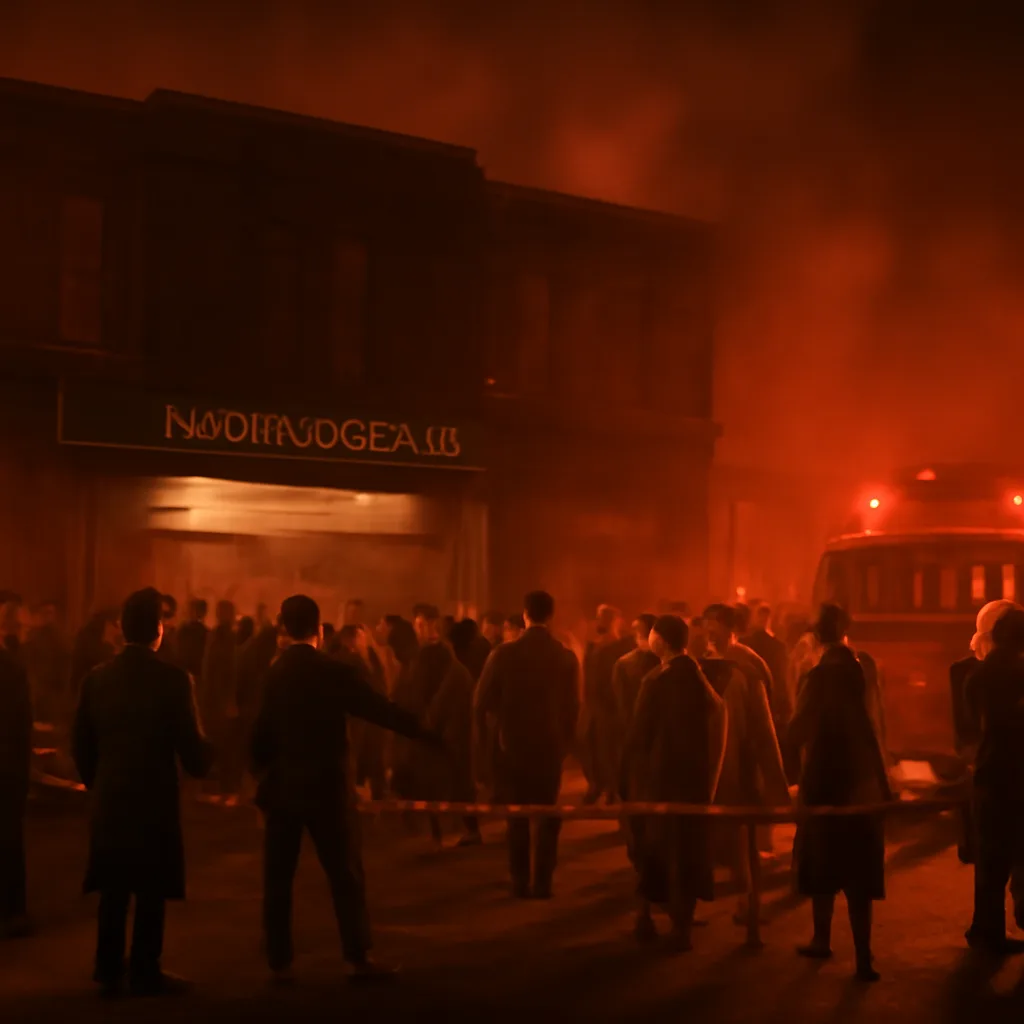
A catastrophic fire broke out at King’s Cross Underground station on September 18, killing 31 people and injuring many more. The blaze, which began in the evening, destroyed parts of the station and prompted major safety reviews across the London Underground.
On the evening of September 18, a fire at King’s Cross Underground station resulted in 31 deaths and numerous injuries, making it one of the deadliest incidents in the history of the London Underground.
What happened
Eyewitness accounts and contemporaneous reporting indicate that the fire began on a wooden escalator serving the Piccadilly line platforms and spread rapidly into the ticket hall. The station, a major interchange in central London, was crowded at the time. Smoke and flames swept through confined spaces, complicating evacuation and rescue efforts. Emergency services were called and worked to evacuate passengers and fight the blaze, but the rapidly developing fire and heavy smoke led to a high casualty toll.
Casualties and immediate effects
Thirty-one people were killed in the incident; dozens more were treated for burns, smoke inhalation, and other injuries. The destruction of station infrastructure disrupted services on multiple lines and contributed to widespread alarm among the travelling public. King’s Cross station itself required extensive repairs, and parts of the Underground network were temporarily altered or closed as investigations proceeded.
Investigation and causes
Subsequent inquiries focused on the fire’s ignition source, the role of combustible materials (notably wooden escalators and accumulated debris), and station design features that allowed smoke and fire to spread. Safety inspections and accident inquiries examined maintenance practices, staff procedures, signage and passenger information, and emergency response coordination. The event exposed vulnerabilities in fire prevention and control on the Underground and spurred recommendations for material changes, staff training, and infrastructure upgrades.
Longer-term impact and reforms
The scale of the disaster prompted major changes across London Transport. Wooden escalators were phased out and replaced with metal alternatives; stricter cleaning and rubbish-removal regimes were introduced to reduce the build-up of flammable debris; and fire detection, alarm, and suppression systems were upgraded. Emergency procedures and staff training were revised to improve evacuation and communication in a crisis. The incident influenced safety standards and regulations for underground and enclosed public-transport spaces in the UK and contributed to the modernization of the London Underground’s approach to fire risk management.
Historical significance
The King’s Cross fire is remembered as a turning point in Underground safety, leading to tangible infrastructural and procedural reforms intended to prevent a recurrence. It remains a key case in studies of urban transit safety, emergency management, and the interaction between older station architecture and contemporary safety expectations.
Notes on sources and certainty
Details above synthesize widely reported findings from contemporaneous news accounts and subsequent official inquiries into the King’s Cross fire. Exact timelines of ignition and spread, and specific individual actions during the event, are documented in inquiry reports and press coverage; where accounts differ on specific sequence details, authorities’ formal inquiry findings are the principal source for cause and recommendations.