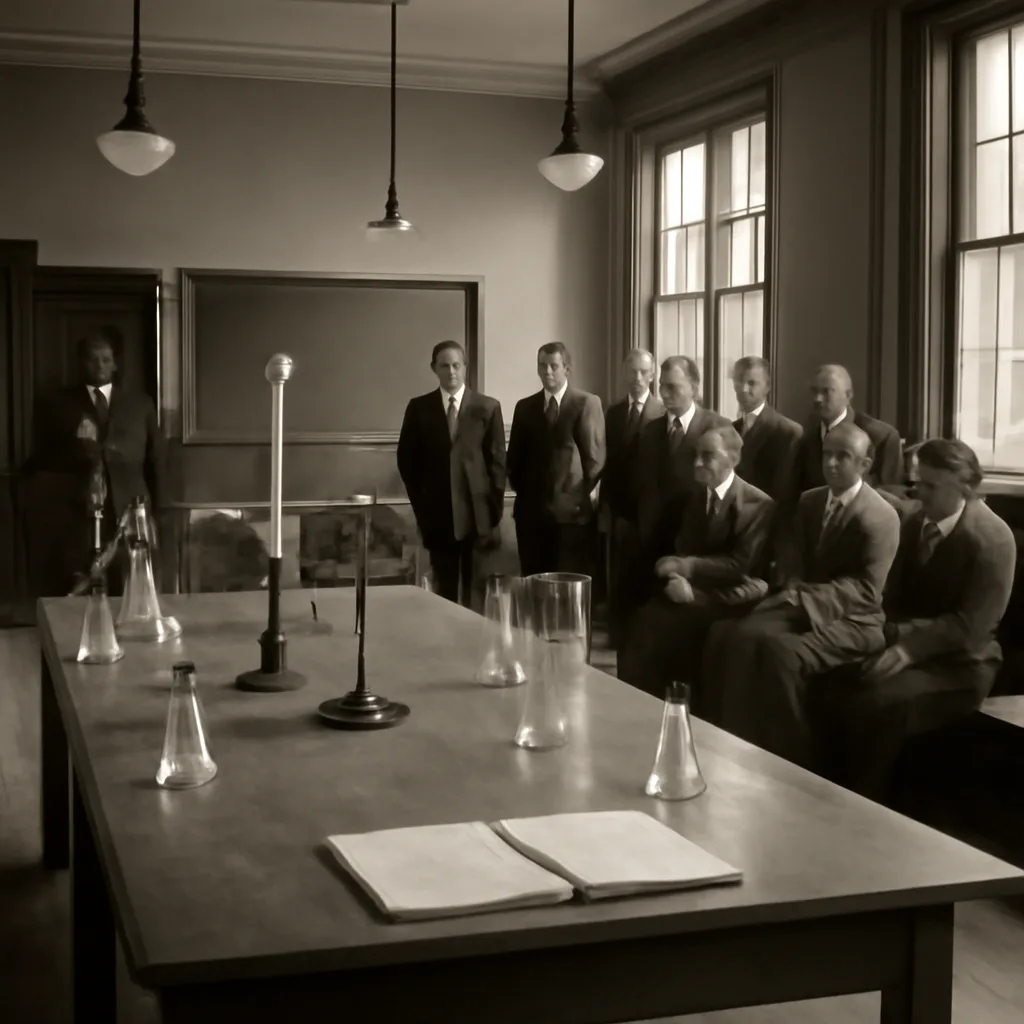
On February 9, 1912, contemporaneous press and professional commentary documented the exposure of a deliberately staged instance of scientific fraud. The episode involved presentation of falsified or contrived evidence intended to support a scientific claim; when the deception was revealed, it provoked public and professional censure and contributed to early discussions about standards for verifying experimental demonstrations. Context Scientific institutions and popular science reporting were both growing rapidly in the late 19th and early 20th centuries. Laboratories, academic journals, and public demonstrations became common venues for new claims. At the same time, methods for independent verification—replication studies, peer review as we now know it, and standardized record-keeping—were less formalized. This combination made high-profile demonstrations especially influential but sometimes vulnerable to manipulation. The exposure On the date given—February 9, 1912—reporting described how a particular demonstration of purported experimental results had been staged. Observers or intervening investigators identified inconsistencies between the presented materials and the underlying procedures, or found direct evidence that items had been arranged to create a misleading impression of experimental success. Coverage at the time emphasized the deliberate nature of the staging rather than mere error or sloppy technique. Consequences and responses Public reaction included criticism from both the popular press and scientific commentators. The incident was used to argue for greater skepticism of sensational demonstrations and for stronger norms about documentation and independent verification. Professional societies and journals increasingly emphasized the need for transparent methods, reproducible procedures, and opportunities for replication—measures aimed at reducing the likelihood that staged or fabricated demonstrations would mislead colleagues or the public. Historical significance This 1912 case is notable as an early documented instance in the modern era where deliberate deception in scientific presentation was publicly exposed and discussed. While earlier examples of academic deceit exist across history, the recorded publicity and ensuing debate in 1912 occurred within a developing professional scientific culture in which standards for evidence and verification were being actively negotiated. Limitations and sources Descriptions here summarize contemporary reporting and subsequent historical commentary about the event; specifics about the individuals involved, exact methods of staging, and the long-term professional outcomes vary across sources. Where details are uncertain or disputed in the historical record, this account notes the general facts that are consistently reported: a staged demonstration was exposed on the stated date, provoked public and professional reaction, and contributed to discussions about verification and integrity in scientific practice.