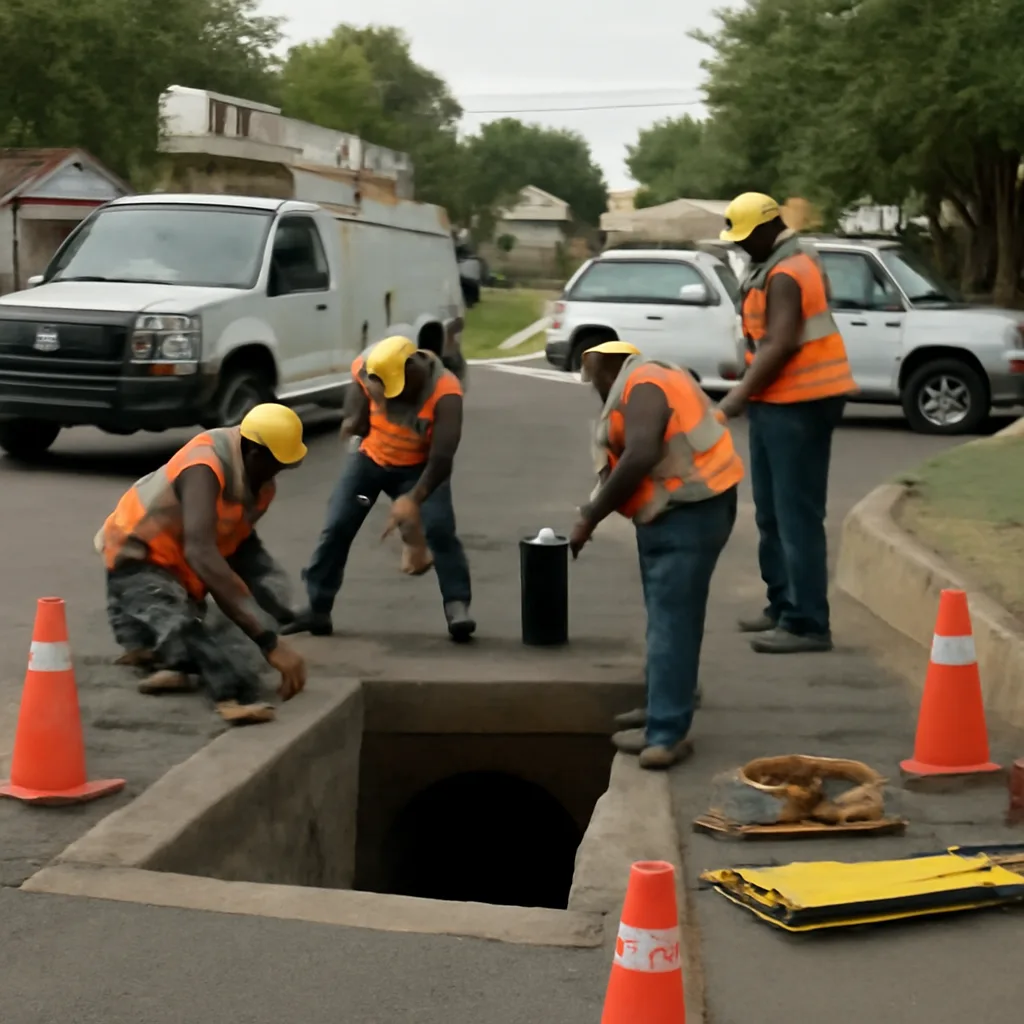
A dog reported missing on April 2 was located alive after spending 11 days trapped in an underground tunnel system, according to local rescue personnel. The animal was discovered after coordinated search efforts using sound detection and narrow-access rescue techniques. Crews worked with municipal authorities to access the subterranean space safely and extract the dog without causing collapse or further harm. Initial searches after the dog went missing focused on surface-level areas, but volunteers and animal control shifted to subterranean options after indications—such as faint barking or reports of animal activity near storm drains or utility tunnels—suggested the dog might be trapped below ground. Rescue teams used listening devices and a probe camera to confirm movement and approximate the animal’s location before planning extraction. The rescue required specialized equipment and expertise. Teams widened an existing access point and cleared debris to create a safe passage. Rescuers entered the tunnel in shifts, maintaining communication with those above ground. Once the dog was reached, handlers assessed its condition and prepared it for removal. The animal was transported to a veterinary clinic for examination and treatment for dehydration, minor injuries and stress. Veterinarians reported that while the dog was weak and dehydrated, it showed signs of responsiveness and is expected to recover with care. Local officials emphasized that entering underground tunnels can be dangerous and urged residents not to attempt solo rescues. They credited the successful outcome to trained rescue personnel, volunteer spotters, and timely reporting from community members who alerted authorities to possible underground activity. Utility crews also assisted by confirming the layout of the tunnel system and temporarily securing infrastructure during the extraction. The incident has prompted renewed attention to municipal storm drains, culverts and abandoned utility passages as potential hazards for pets and wildlife. City staff said they will review access points and consider measures—such as grates, barriers or public advisories—to reduce the risk of animals becoming trapped. Animal welfare organizations offered to help spread information on preventing such incidents and what to do if a pet is believed to be underground. No human injuries were reported during the rescue. The dog’s identification status—whether it was microchipped or wearing tags—was not immediately confirmed by authorities, and efforts to locate the owner or guardians were underway. Officials asked anyone with information about the missing dog’s ownership or with tips about preventing similar incidents to contact local animal control. While the precise circumstances that led the dog into the tunnel remain under investigation, rescue teams noted that small openings, chasing prey, or accidental falls can lead animals into confined subterranean spaces. The successful extraction after 11 days underscores both the risks such environments pose and the effectiveness of coordinated, specialized rescue responses.