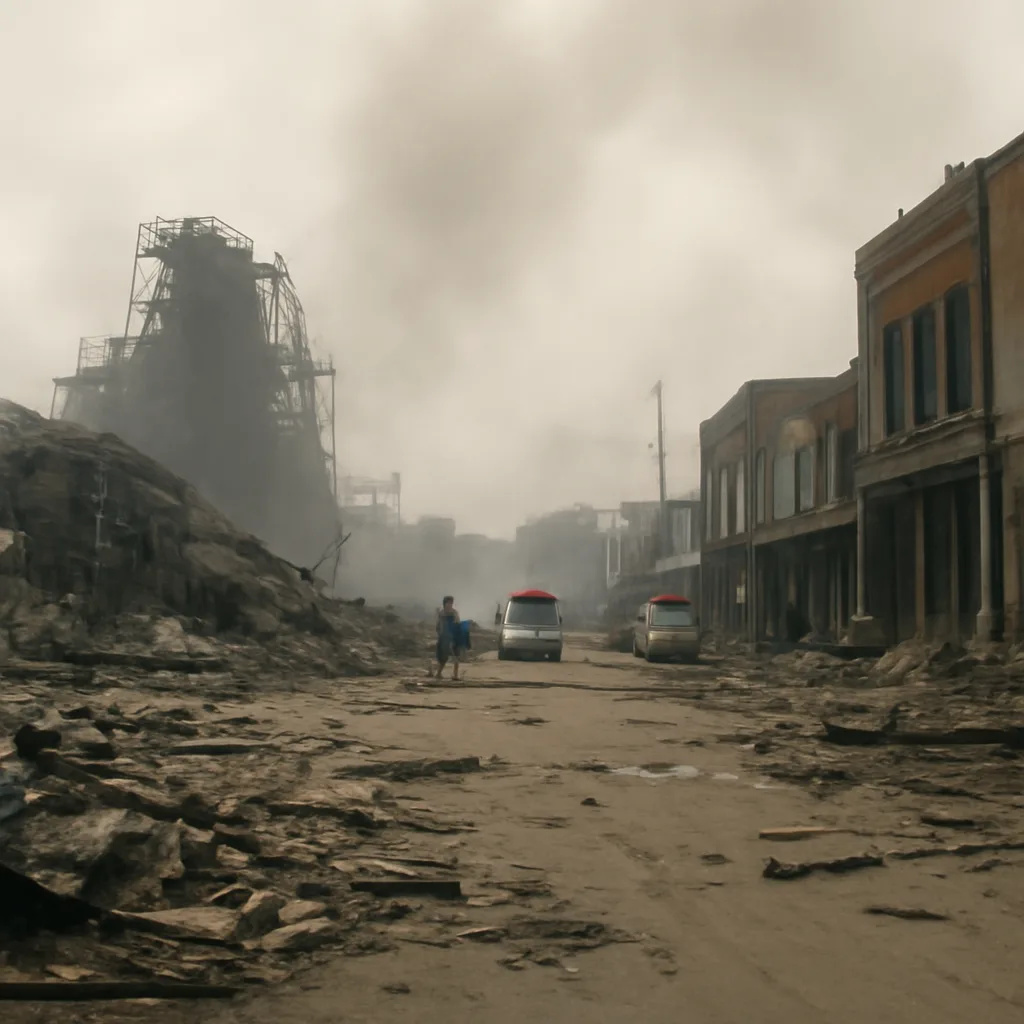
A massive blast tore through the West, Texas fertilizer plant on April 17, killing multiple people, injuring dozens, and destroying nearby buildings; the explosion raised urgent questions about storage, safety regulation, and emergency preparedness in small industrial towns.
On April 17, an enormous explosion destroyed a fertilizer storage and distribution facility in West, Texas, killing multiple people and injuring dozens while devastating a large portion of the surrounding residential and commercial district. The blast occurred during or shortly after a local fire at the plant; emergency responders who arrived to fight the blaze were among those killed or wounded. The force of the detonation registered far beyond the immediate site, shattering windows and damaging structures across town.
The plant handled ammonium nitrate, a common agricultural fertilizer that can become highly explosive under certain conditions. Investigators focused on the material stored on site, the manner of storage, and any nearby fire hazards that could have triggered the detonation. Authorities began collecting evidence from the rubble and interviewing survivors, first responders, and plant personnel to reconstruct the sequence of events leading to the disaster.
The explosion exposed vulnerabilities in industrial safety and municipal emergency planning. Residents and officials raised questions about zoning and the proximity of hazardous materials to homes, schools, and businesses. Local emergency-management officials and state regulators were expected to review permits, inspection records, and compliance histories for the facility. Federal agencies with jurisdiction over hazardous materials and occupational safety also indicated they would assist or conduct parallel inquiries.
Immediate relief and recovery efforts centered on search and rescue, medical care for the injured, and temporary shelter for displaced residents. Volunteer organizations, neighboring communities, and state agencies mobilized to provide food, clothing, and reconstruction assistance. The scale of structural damage—ranging from flattened buildings near the site to broken glass and compromised utilities farther away—created both short-term humanitarian needs and long-term rebuilding challenges.
Beyond the physical destruction, the catastrophe prompted broader debate about regulation and enforcement of industrial hazards in small towns reliant on agriculture and related industries. Legal experts and public-safety advocates pointed to the need for clearer standards on storage quantities, fire suppression measures, and community notification procedures. Legislators and regulators faced pressure to reexamine statutes and inspection practices to reduce the risk that similar communities could suffer comparable tragedies.
The investigation and recovery were expected to take months. Search teams worked methodically through unstable debris while forensic specialists tested residues to confirm the blast’s chemical signature. Officials cautioned that casualty counts could change as search operations continued and that residents should heed evacuation orders and safety advisories. Insurance claims, property assessments, and environmental remediation would add complexity to the long-term recovery.
The West explosion joined a list of industrial accidents that have reshaped public policy and community expectations about hazardous materials management. Whatever the final investigative conclusions, the event renewed attention to how small municipalities, industry operators, and regulators share responsibility for preventing and responding to high-consequence incidents.
This account is based on contemporaneous reporting of the April 17 explosion, official statements, and standard practices in hazardous-incident investigation and emergency response. Where details remain under investigation, authorities cautioned that timelines, casualty figures, and causes could be revised as evidence emerged.