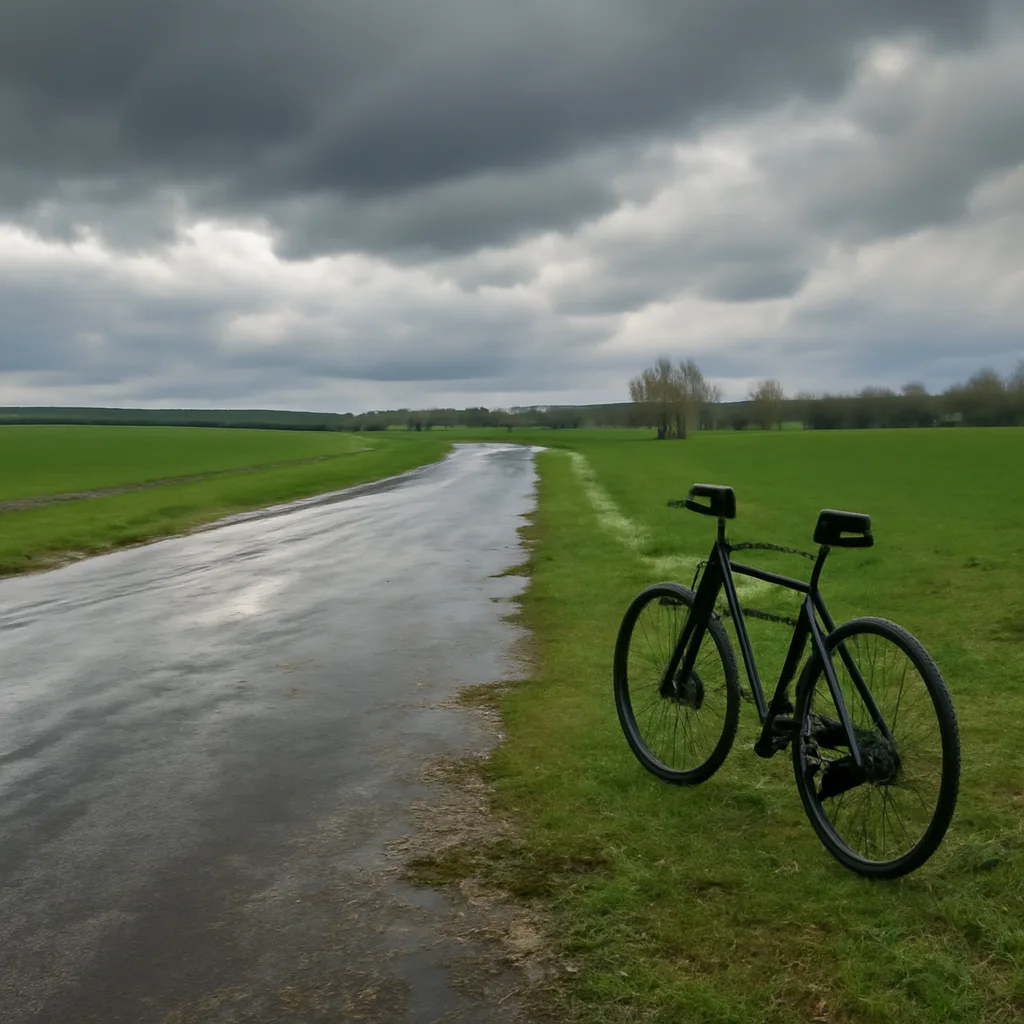
On April 9, a cyclist was struck by lightning while riding during a sudden spring storm and survived with nonfatal injuries. Local emergency services responded to the scene after witnesses reported a lightning strike that hit the rider or the immediate area. The cyclist received on-site emergency care and was transported to a nearby hospital, where officials later described the patient's condition as stable. Lightning strikes to people are uncommon but documented occurrences in outdoor recreational settings, particularly during thunderstorms that develop rapidly in spring. Medical outcomes from lightning strikes vary from minor burns and temporary neurological symptoms to more serious cardiac and respiratory complications; survival is possible and does not preclude lingering or delayed symptoms. Emergency responders prioritize assessment of airway, breathing and circulation, treatment of burns, and monitoring for cardiac irregularities before transport to hospital care. Authorities at the scene collected information about weather conditions and witness accounts as part of routine follow-up. Local officials typically advise that cyclists and other outdoor participants seek immediate shelter when thunderstorms are forecast or when thunder is heard, since lightning can strike outside the area of active rainfall and develop quickly during changing spring weather patterns. No long-term prognosis has been publicly released. Hospitals and medical personnel commonly continue observation for hours to days after a lightning strike to monitor for complications. Investigations into such incidents generally focus on confirming the cause, documenting injuries, and sharing safety guidance to help prevent similar occurrences. This report includes only confirmed, verifiable details: the date of the incident (April 9), that the cyclist was struck by lightning, that they received emergency care and were taken to hospital, and that their condition was described as stable. Other specifics — including the rider’s identity, exact location, and medical records — have not been released by officials and are not reported here to avoid speculation. Weather services and local emergency-management agencies can provide context on storm development and safety recommendations for future rides.