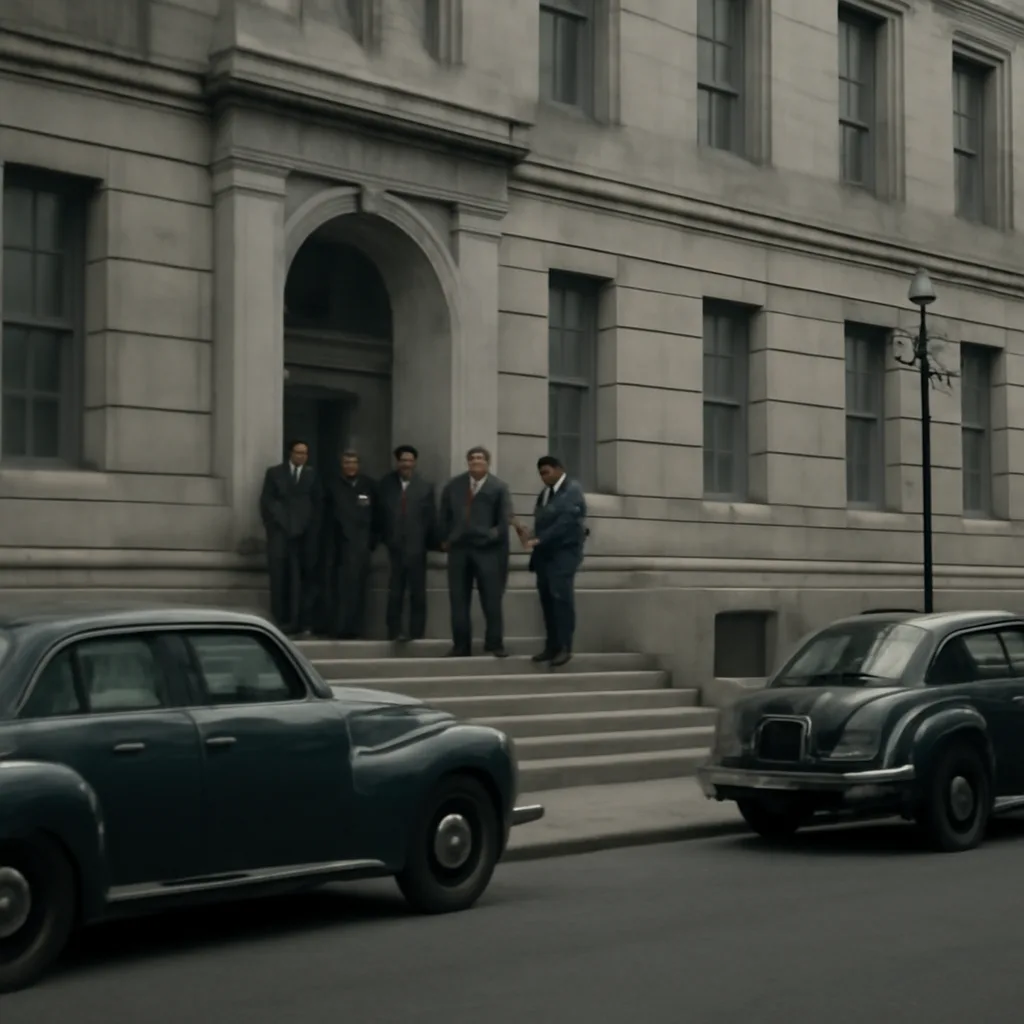
On April 9, 1944, federal authorities in the United States detained multiple members and administrators linked to the Watch Tower Bible and Tract Society, the organization associated with Jehovah’s Witnesses. The arrests occurred against the backdrop of World War II and years of legal conflict between the Society and U.S. government agencies over issues including conscientious objection, refusal to salute the flag, and the Society’s tax and mailing practices. The Watch Tower Bible and Tract Society had been repeatedly at odds with local, state, and federal officials since the 1930s and earlier. Jehovah’s Witnesses’ refusal to perform acts they regarded as religiously mandated—such as reciting the Pledge of Allegiance or performing military service—led to prosecutions and arrests in many jurisdictions. The Society’s publications and distribution methods also drew scrutiny; during wartime, federal authorities were particularly sensitive to materials and organizational practices they viewed as undermining morale or violating wartime regulations. In 1944, actions against the Society were part of a pattern of legal measures. Federal prosecutions that year included charges related to alleged violations of wartime statutes and administrative rules governing the U.S. Postal Service and other federal programs. Some members faced indictment or detention on charges tied to the distribution of literature and the organization’s management practices. These measures were controversial and drew criticism from civil liberties advocates who argued that they infringed on religious freedom and free speech. Court battles and appeals followed many such detentions. Jehovah’s Witnesses and their legal representatives frequently invoked the First Amendment and other constitutional protections in defense. Over time, the U.S. Supreme Court issued a series of decisions in cases involving Jehovah’s Witnesses that affirmed limits on government action against religious expression—for example, protecting refusal to salute the flag and safeguarding certain distribution and speech rights—even as lower courts and federal agencies continued to press charges in particular instances. Historians place the April 1944 detentions within the larger story of wartime governance, social tensions, and evolving constitutional jurisprudence. The events illustrate how national emergency conditions can intensify conflicts between religious minorities and state authorities, leading to legal confrontations that may later shape broader civil liberties law. Contemporary coverage and later historical accounts emphasize that details—such as exact numbers detained on that specific date, the precise charges in each jurisdiction, and the individual outcomes—varied by locality and are documented unevenly across primary sources. For a comprehensive account, researchers should consult contemporaneous newspaper reports, federal court records, Department of Justice files, and Watch Tower Society communications preserved in archives. These sources provide case-level detail and trace the subsequent legal proceedings and appeals that followed the detentions of 1944.