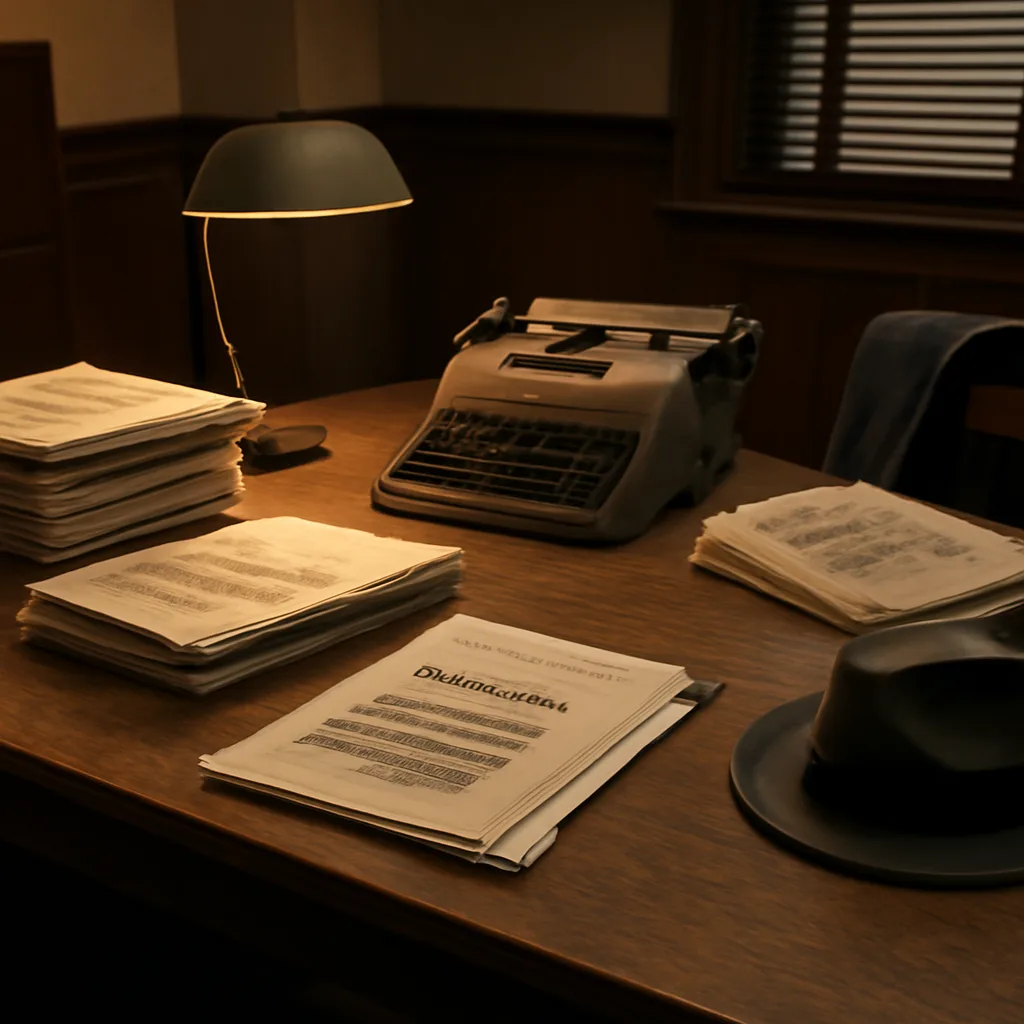
In early January, a court unsealed the Pentagon Papers, the classified Department of Defense study that detailed U.S. political and military involvement in Vietnam from World War II through 1968. The court action removed government restrictions that had kept the study secret and allowed newspapers and other media to publish extensive excerpts and analysis of the documents. The Pentagon Papers—formally titled "Report of the Office of the Secretary of Defense Vietnam Task Force"—had been compiled by analysts working on behalf of the Department of Defense. The study chronicled internal deliberations, policy decisions, and assessments showing discrepancies between public statements by administrations and private government evaluations of the war’s progress and prospects. Publication of the material raised immediate legal and political questions about classification, executive privilege, and the public’s right to know. Media organizations that obtained portions of the report argued publication was essential to informed public debate about the conduct and justification of the war. The government contended that releasing the documents would harm national security and impede foreign policy. The court’s decision to unseal the papers favored transparency, finding that the public interest in disclosure outweighed the government’s claims of potential harm. That ruling enabled newspapers to print substantial excerpts and detailed reporting based on the documents. The unsealing quickly prompted widespread press coverage and public discussion. Reporters and editors emphasized revelations in the study about internal doubts among U.S. officials, instances of misleading public statements, and strategic miscalculations. Political leaders and commentators debated the balance between government secrecy and democratic oversight, with some criticizing the leak of classified material while others hailed the disclosure as necessary scrutiny of executive conduct. Legally, the case underscored tensions between prior restraint—the government’s attempt to prevent publication—and First Amendment protections for a free press. Courts in related proceedings considered whether enjoining publication would be justified by a demonstration of direct, grave, and imminent harm. The unsealing decision contributed to a broader judicial and public reassessment of how to weigh secrecy claims against the press’s role in reporting on government actions. Historically, the release of the Pentagon Papers is seen as a pivotal moment in public understanding of U.S. policy in Vietnam and in the evolution of legal norms governing classified information and press freedom. Scholars and contemporary observers have traced how the disclosures influenced public opinion about the war, contributed to congressional inquiries, and shaped subsequent debates over transparency, executive accountability, and the limits of secrecy in a democratic society. While the unsealing made large swaths of the report available to the public, some questions remained about the full extent of the study that circulated, redactions in distributed copies, and subsequent legal appeals or government efforts to limit further dissemination. Over time, additional archival releases and scholarly work have continued to refine understanding of the documents’ contents and context. The court’s decision to unseal the Pentagon Papers thus stands as a consequential intersection of journalism, law, and public policy: it widened public access to previously hidden official deliberations about the Vietnam War and intensified national debate over the competing imperatives of secrecy and an informed electorate.