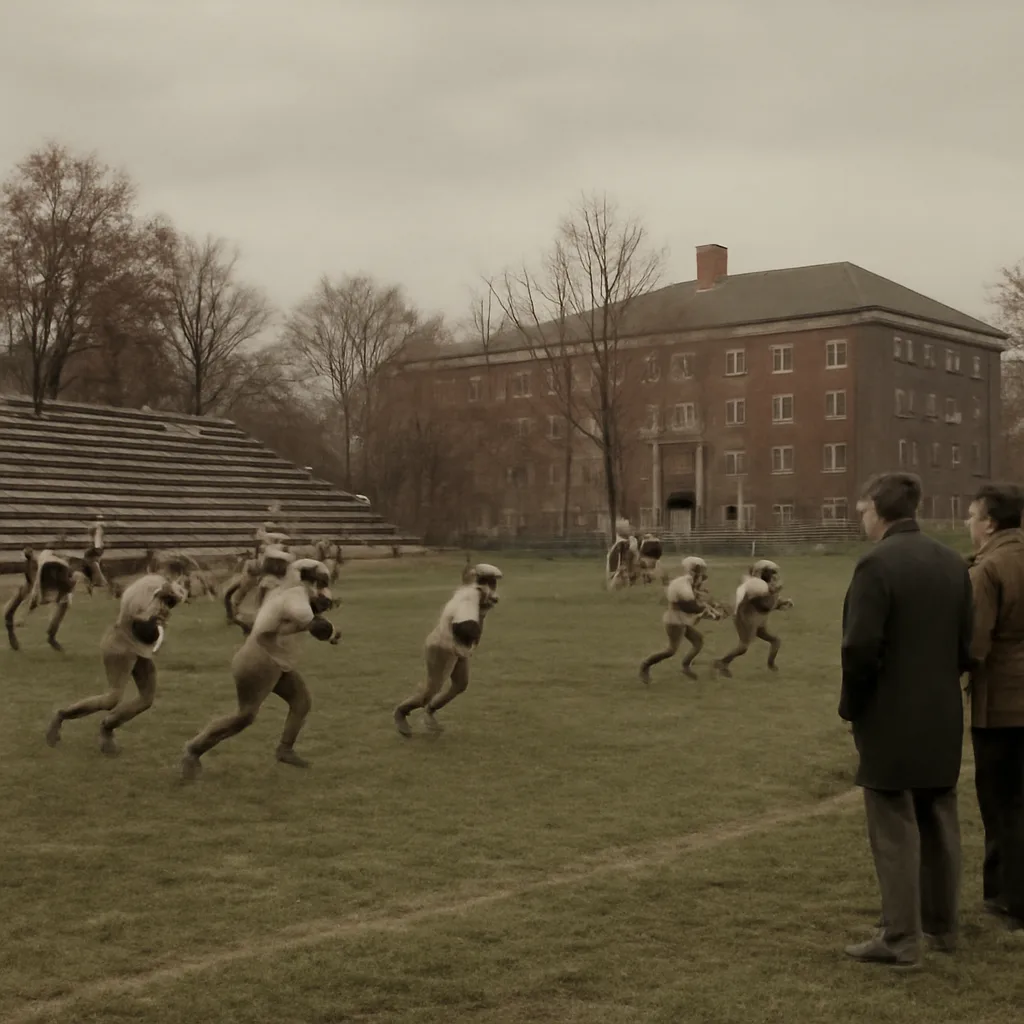
A college football head coach was relieved of duties after university and conference officials determined he had used a disguise to observe an opponent’s practice and collect scouting intelligence. The incident prompted an internal review by the school and drew attention from the conference office, which cited breaches of sportsmanship and institutional policy. The school announced the coach’s dismissal in a brief statement that said the decision followed an investigation into allegations that he had disguised himself to attend practices of an upcoming opponent. University officials did not release detailed findings publicly, citing privacy concerns and personnel rules. Conference representatives confirmed they had been notified and that member institutions are expected to adhere to both written rules and unwritten norms governing competitive conduct. Disguising oneself to gain an advantage over an opponent is widely regarded as unethical in organized sports and can run afoul of competition rules that govern scouting and recruiting. Most collegiate athletics conferences and the NCAA have explicit regulations about permitted scouting methods, access to practices, and the use of unauthorized recordings or information. Schools also maintain codes of conduct for coaches that encompass honesty and sportsmanship. Public reporting and commentary following the dismissal focused on why a seasoned coach would adopt such a tactic and on what penalties would be appropriate. Reactions from athletic directors, former coaches and sports-law observers emphasized that while aggressive scouting is common, it is typically expected to remain within established boundaries—attending publicly advertised practices, relying on game tape, or using approved scouting exchanges. The university said it would not comment further while the athletic department transitions to interim leadership. The athletic program named an interim coach or administrator to oversee team operations for the immediate future; those interim staffing details were presented as temporary measures as the school begins a search for a permanent replacement. It remains unclear whether the conference or the NCAA will pursue additional sanctions beyond the school’s personnel action. Such bodies sometimes impose fines, recruiting restrictions, or suspensions when they determine institutional rules or association bylaws have been violated. Any further disciplinary steps would depend on the findings of their own reviews and on whether tangible rule breaches—such as unauthorized videotaping, entering restricted areas, or involvement of staff beyond the head coach—were documented. The episode has prompted several institutions to re-examine internal compliance education for coaches and staff, emphasizing permissible scouting methods and the reputational risks of conduct that might be construed as deceptive. For the affected program, athletic department leaders have described the priority as stabilizing the team and protecting student-athletes’ season preparations amid the leadership change. Because the school limited public disclosure, some specifics remain disputed or unconfirmed in media accounts, including the nature of the disguise, whether others were involved, and whether any scouting materials gathered were used in subsequent competition. Those details would likely emerge only if conference or NCAA investigations produced public reports, or if parties involved chose to speak on the record. The case underscores the tensions in competitive college athletics between intense desire to gain strategic advantages and the ethical, regulatory, and reputational constraints that govern intercollegiate sports. Universities, conferences and the NCAA face recurring pressure to enforce standards consistently when high-profile violations come to light.