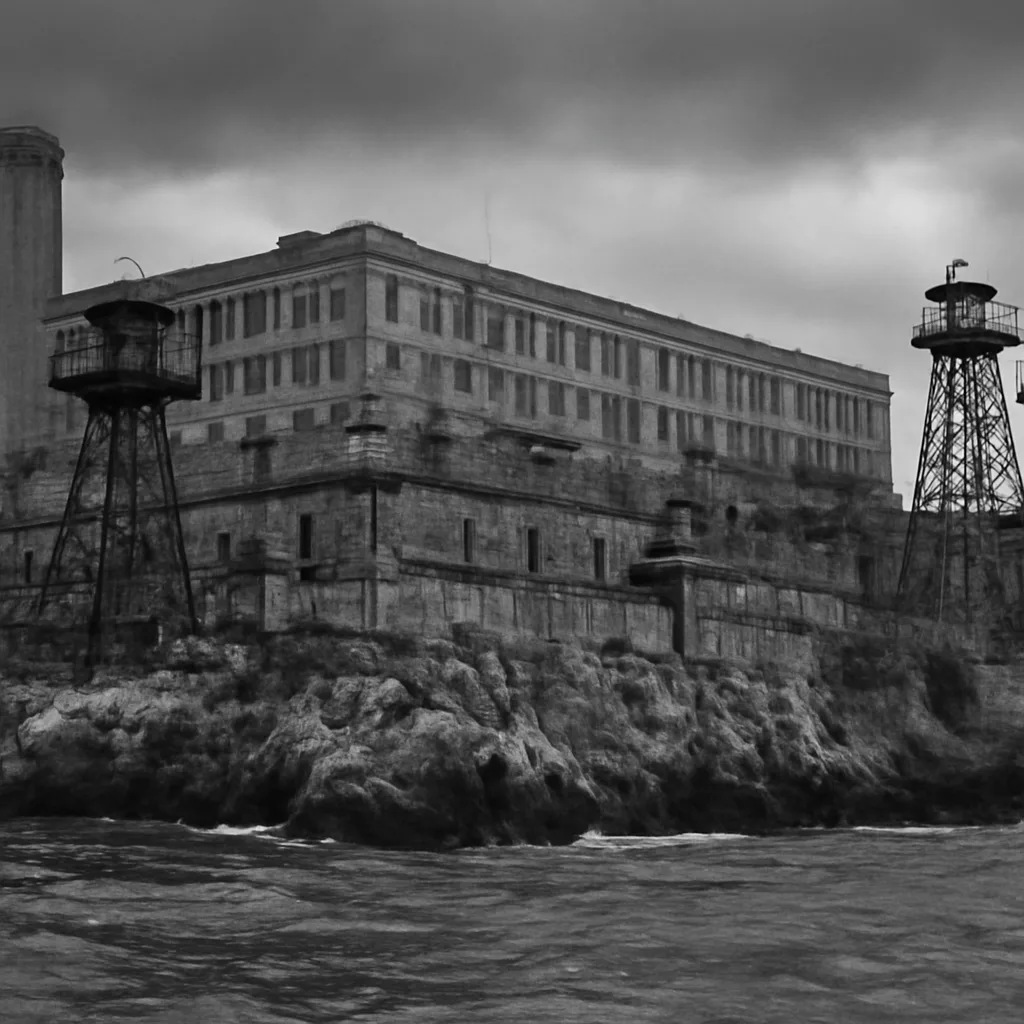
On August 11, a violent incident occurred inside Alcatraz Federal Penitentiary involving inmates who engaged in an armed confrontation. Contemporary newspaper accounts and later historical summaries indicate the episode was short-lived but serious, prompting immediate lockdowns and heightened security on the island. Alcatraz, operating as a federal prison since 1934, housed many convicted of violent crimes and repeat escapees. Its reputation for strict discipline and isolation shaped both daily life and responses to disturbances. Prison authorities at the time kept tight control over information, so contemporaneous press dispatches relied on official statements, limited eyewitness reports, and wire-service updates; some details remain sparse or vary between accounts. According to period reporting, the altercation involved weapons improvised or obtained by inmates and led to injuries among prisoners; staff casualties, if any, were not consistently reported across sources. The immediate response included reinforcing cellblocks, moving inmates into more secure confinement, and conducting searches to recover weapons and identify participants. Officials emphasized restoration of order and underscored the institution’s security protocols in public statements. Historians note that prison disturbances at Alcatraz during the 1930s were relatively rare but often treated seriously by authorities because of the facility’s high-profile status and concentration of high-risk inmates. The August 11 incident influenced internal reviews of contraband control and surveillance within the institution, though specifics of policy changes tied directly to this episode are not uniformly documented. Primary sources for this event are contemporary newspaper articles and government bulletins; later secondary accounts synthesize those reports but sometimes diverge on particulars such as the exact number of injured or the methods inmates used to arm themselves. Because available documentation is limited and occasionally inconsistent, some aspects of the event—such as precise motivations of the participants and full casualty lists—remain uncertain or disputed among researchers. The August 11 uprising is one of several disturbances recorded during Alcatraz’s tenure as a federal penitentiary; its legacy reflects both the volatile conditions within high-security prisons of the era and the challenges historians face in reconstructing events from constrained or uneven sources. Researchers relying on original reporting should consult multiple contemporaneous accounts and official records, where available, to form a fuller picture. This summary emphasizes established facts while noting areas of uncertainty: an armed confrontation occurred at Alcatraz on August 11 that caused injuries and triggered security responses, but detailed, fully consistent documentation of casualties and exact circumstances remains limited in the historical record.