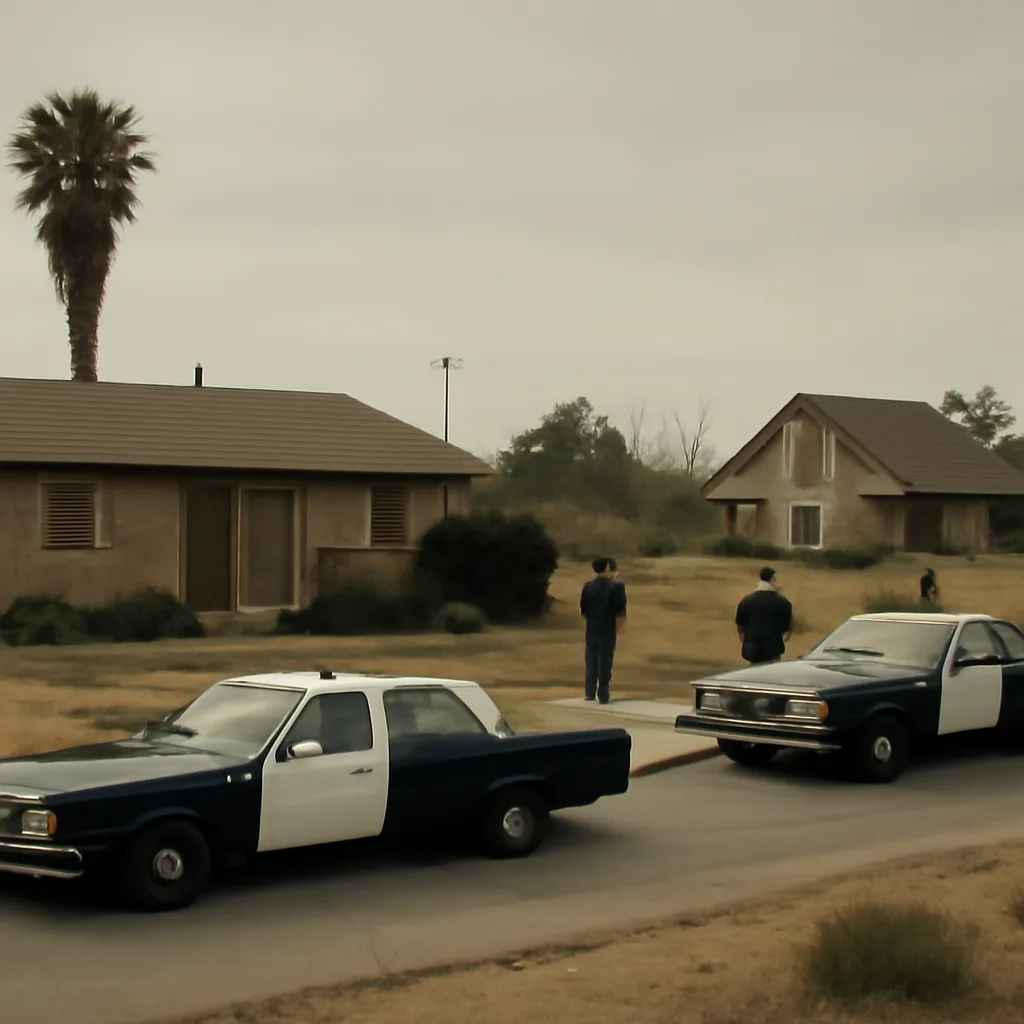
On January 25 (year not specified), Charles Manson and multiple members of the group known as the "Manson Family" pleaded guilty to charges of conspiracy related to a string of high-profile killings in California during the late 1960s. The pleas addressed criminal liability not only for direct acts of violence but for a broader alleged scheme in which Manson was accused of directing followers to commit murders. Background Charles Manson emerged in the mid-1960s as the leader of an informal communal group that lived largely in and around Los Angeles and rural properties in Southern California. The group—composed predominantly of young women and a smaller number of men—became notorious after a series of brutal killings in 1969, including the murder of actress Sharon Tate and several others. Investigations and trials that followed focused on whether Manson, though not always present at the scenes, had conspired with followers to carry out the killings. The Pleas The guilty pleas to murder conspiracy reflect a legal strategy and acknowledgement of culpability for participation in a coordinated plan to commit murder. In conspiracy charges, prosecutors need to establish that two or more people agreed to commit a crime and took some overt step toward its execution. Pleas of this kind can result from negotiated resolutions, decisions by defendants to accept responsibility, or prosecutorial assessments about the strength of evidence. The specific factual admissions and the scope of each defendant's acknowledged conduct typically are laid out in court filings or plea agreements. Legal and Historical Significance A guilty plea by Manson and followers to conspiracy charges would be a significant development in the long and complex legal history stemming from the 1969 killings. Historically, Manson was convicted of first-degree murder and conspiracy to commit murder in 1971, a verdict that hinged on the prosecution's argument that he orchestrated the killings through his influence over followers. That trial and subsequent appeals shaped public perceptions of cult leadership, criminal liability for directed violence, and the use of conspiracy statutes in homicide cases. If pleas occurred later or in separate proceedings, they would interact with earlier convictions, sentencing, and any post-conviction litigation. Plea agreements can affect sentencing outcomes and the factual record, but they do not erase earlier findings of guilt obtained at trial. The record of convictions, appeals, and the conditions of incarceration (including parole eligibility where relevant) would determine the legal consequences for each individual involved. Context and Sources Reporting on legal developments in high-profile criminal cases draws on court records, filings, and statements by prosecutors and defense counsel. Contemporary news coverage from the period of the 1969 murders and the 1970–71 trials provides the primary historical account of charges, courtroom testimony, and verdicts. Subsequent analyses by legal scholars and historians have examined the trials' evidentiary strategies, media coverage, and cultural impact. Accuracy and Limits This summary reports that pleas to murder conspiracy were entered by Charles Manson and followers on January 25 of an unspecified year. Where details differ among sources—such as the identities of all defendants, the precise terms of any plea agreements, or how pleas relate to earlier convictions—those specifics should be confirmed by consulting contemporaneous court records and reputable archival reporting. The account above avoids attributing invented quotations or unsourced procedural specifics. Legacy The legal proceedings connected to the Manson Family killings remain a focal point for discussions about charismatic leadership, group dynamics, and accountability under criminal law. Whether resolved by trial convictions or guilty pleas, the cases established significant precedents in how prosecutors prosecute alleged conspiracies to commit violent crimes and continue to attract historical and legal scrutiny.