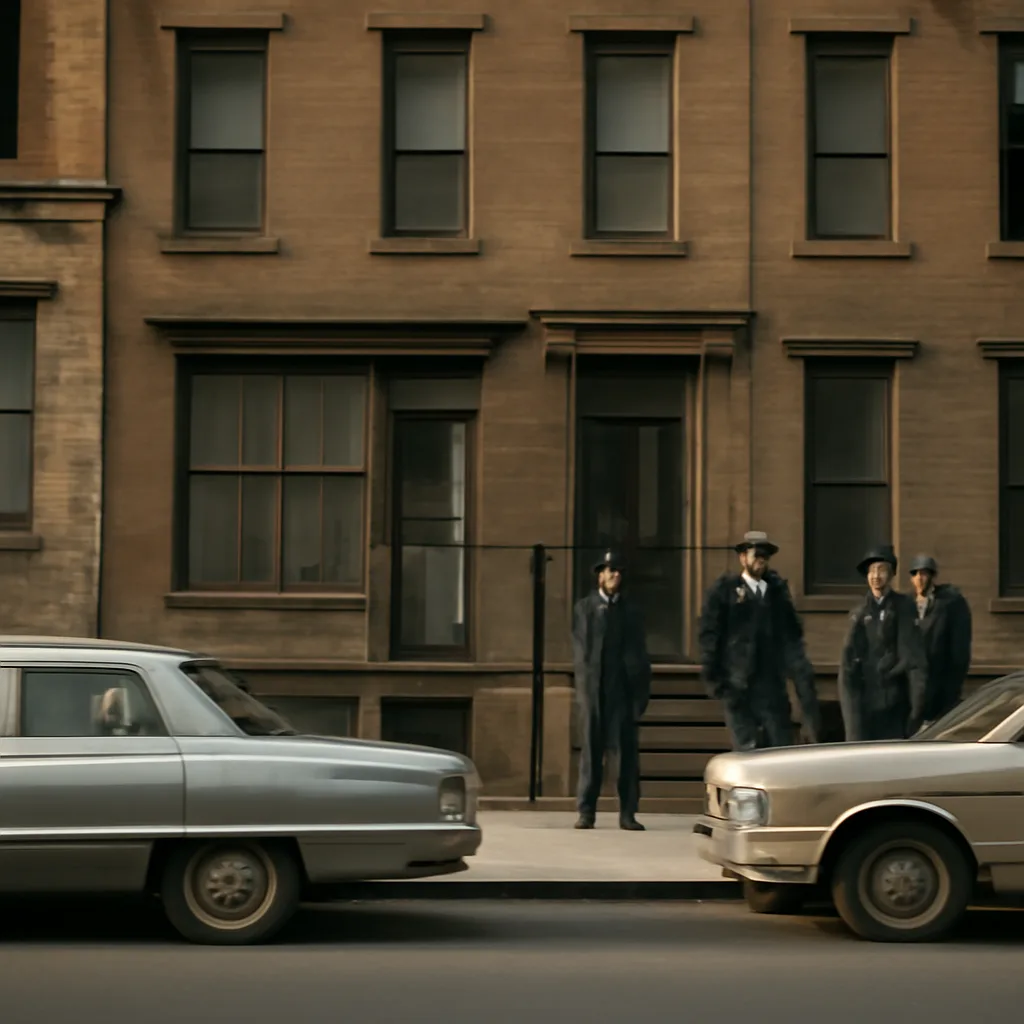
Attempted assassination of Andy Warhol by Valerie Solanas, 1968
On June 3, 1968, artist Andy Warhol was shot and seriously wounded by Valerie Solanas, founder of the SCUM Manifesto; the attack highlighted tensions around avant-garde art, gender politics, and mental health in 1960s New York.
On June 3, 1968, Andy Warhol, a leading figure of the American Pop Art movement, was shot at his Manhattan studio, known as The Factory. The assailant was Valerie Solanas, a writer and activist who had self-published the SCUM Manifesto the previous year. Warhol survived the shooting but sustained severe injuries, including damage to his lungs, spleen, stomach, liver and right side of his face; he underwent multiple surgeries and a prolonged recovery that affected his health and work for the rest of his life.
The attack occurred after Solanas visited The Factory to see Warhol about a play she believed he had misplaced and to demand an opportunity to have a script produced. Accounts indicate she had become increasingly angry and unstable, and that she left but later returned with a handgun. After shooting Warhol, she also wounded art critic Mario Amaya and exchanged gunfire with Warhol’s friend and collaborator, filmmaker Paul Morrissey, who managed to wrestle the gun away. Solanas was arrested at the scene.
Solanas had published the SCUM Manifesto in 1967, a provocative and misandrist pamphlet that advocated radical actions against patriarchy; her ideas and behavior polarized contemporaries. Mental health professionals later diagnosed Solanas with a paranoid personality disorder and other psychiatric conditions; she had a history of arrests and institutionalizations. Solanas pleaded guilty to reckless assault with intent to harm and was sentenced to three years in prison, of which she served a reduced term, followed by periods of institutionalization and parole.
Warhol’s shooting had significant consequences. The physical injuries and subsequent pain management altered his appearance and contributed to long-term health problems. Psychologically and professionally, the attack intensified Warhol’s guardedness and changed The Factory’s social dynamics, accelerating a shift from an open, experimental workshop to a more controlled environment. The incident also entered cultural debates about the boundaries of radicalism, the safety of public figures, and the intersections of art, fame and political extremism in the 1960s.
Historians note that interpretations of both Warhol and Solanas are contested. Some scholars emphasize Solanas’s radical critique of gender inequality and the marginalization she experienced as a woman in literary and artistic circles; others highlight her violent actions and documented psychiatric instability. Warhol’s celebrity—amplified by media coverage—shaped public perceptions of the event, and subsequent portrayals in books, films and exhibitions have sometimes dramatized or simplified the complex motivations and consequences surrounding the shooting.
Primary contemporaneous reporting and court records provide the factual foundation for accounts of the shooting: the date, location, injuries, legal outcome and immediate aftermath are well documented. Analyses of motives and mental health rely on psychiatric evaluations and retrospective interpretation, which can vary among sources. The episode remains a pivotal, if unsettling, moment in the history of postwar American art and in discussions about the cultural upheavals of the late 1960s.