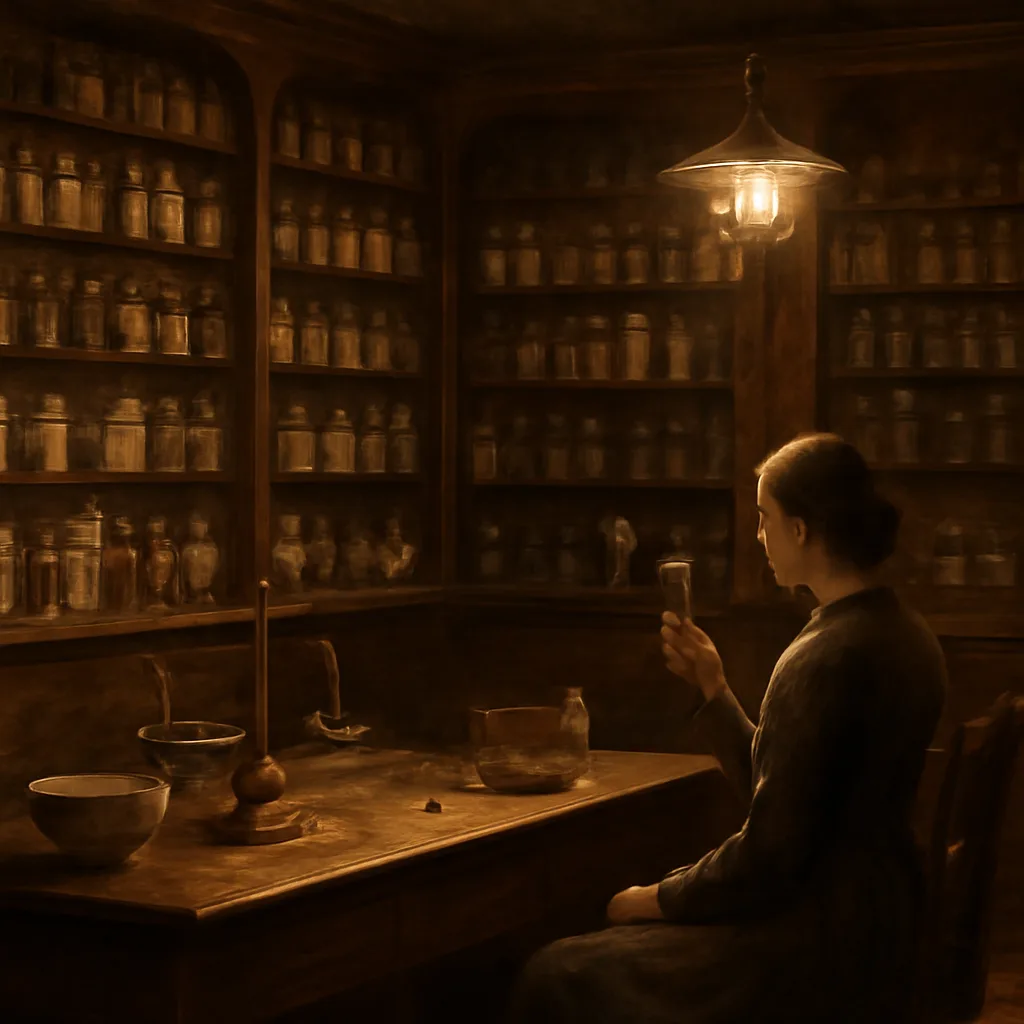
In mid-19th-century Western newspapers and medical reports, cosmetics were widely used but inconsistently regulated. On April 16 of an unspecified year in the 1860s–1870s, contemporary press items and medical notices described a case in which a woman became gravely ill after applying a popular cosmetic preparation. That episode is often cited in historical summaries as one of the earliest documented instances linking topical beauty products to systemic poisoning, though exact details and dates in surviving sources vary. Context: Cosmetics and health in the 19th century Cosmetic products in the Victorian era frequently contained harmful substances by modern standards, including lead, mercury, arsenic, and various alcohol-based solvents. These ingredients were used to whiten skin, conceal blemishes, or dye hair, and were sold without ingredient lists or regulatory oversight. Medical practitioners and journalists occasionally reported adverse effects—skin burns, chronic illness, or neurological symptoms—which sometimes were attributed to repeated topical exposure. The reported case Primary accounts describe an adult woman who applied a commercially available skin-whitening or complexional preparation and within days developed severe symptoms: abdominal pain, vomiting, weakness, and in some reports, neurological changes. Local physicians investigated and suspected poisoning from ingredients in the cosmetic. Newspapers reported the case to warn readers and to press for more cautious use of such products. The specific company name, product formulation, and the patient’s full identifying details are not consistently recorded in surviving summaries; some contemporaneous notices anonymized the individual and omitted precise dating, contributing to uncertainty about the event’s exact year. Significance and limits of the record Why this episode attracts attention is twofold. First, it illustrates a documented chain linking a marketed cosmetic to systemic illness—rather than merely local skin irritation—at an early point in public debate over product safety. Second, it shows how journalists and physicians of the period framed such incidents as public-health concerns, contributing to later calls for regulation. However, historians caution against treating this single report as a definitive “first” case. Nineteenth-century medical and newspaper records are patchy: many similar incidents may not have been published or preserved, and reports sometimes conflated outcomes or misattributed causes. Moreover, the lack of standardized chemical analysis meant clinicians often inferred poisoning from symptoms and context rather than from laboratory confirmation. As a result, while the April 16 report is a useful early documented example, it should be seen as part of a broader pattern of documented and anecdotal harms tied to historical cosmetic formulations. Aftermath and legacy Episodes like the April 16 report contributed cumulatively to evolving public awareness. Over subsequent decades, recurring reports of harm from cosmetics and patent medicines helped spur consumer advocacy and, ultimately, the development of regulatory frameworks in the late 19th and early 20th centuries (for example, food and drug laws in several countries). Historians use cases such as this to trace how everyday consumer products intersected with medicine, commerce, and emerging public-health policy. Conclusion The April 16 account stands as an instructive early record linking a marketed cosmetic to suspected poisoning. It is valuable for the light it sheds on contemporary practices and concerns, but its precise date and some specifics remain uncertain in surviving sources. The episode is best read alongside other 19th-century reports to understand the wider history of cosmetic safety and regulation.