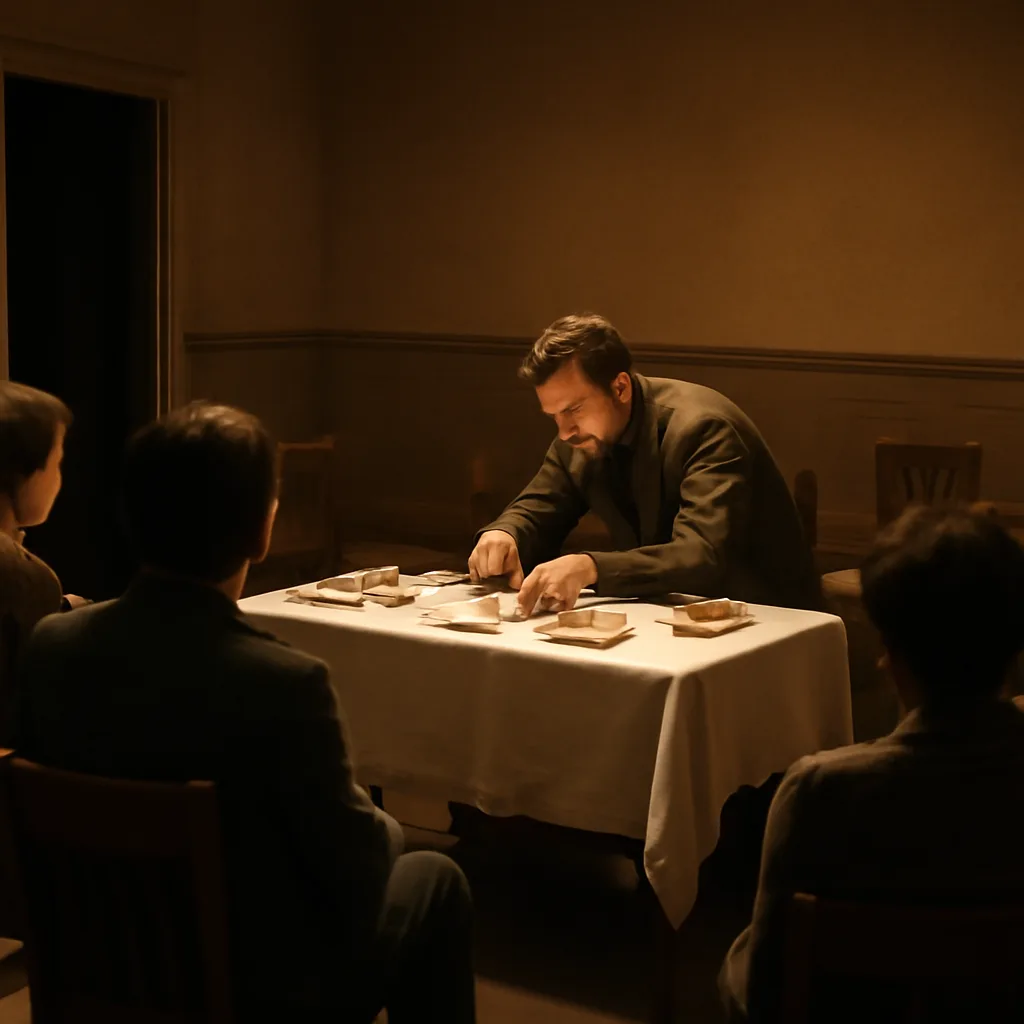
On February 27, 1962, a case widely cited as the first documented instance of fraudulent "psychic surgery" entered the public record. Psychic surgery refers to a set of practices in which practitioners, often called spirit surgeons or faith healers, appear to operate on patients with their bare hands, producing blood, tissue, or foreign objects and then seemingly restoring the body without conventional surgical methods. While folk healing traditions and spirit-medium activities have long histories across cultures, the 1962 case crystallized modern concerns about deliberate deception presented as miraculous medical intervention. The incident involved a practitioner who performed a visible "operation" in front of patients and witnesses. Investigators—journalists and medical observers—examined the procedure and found evidence that the apparent surgical effects were produced by sleight of hand, blood capsules, and animal tissues rather than any genuine internal intervention. Reports from the time describe how foreign objects and material presented as excised tumors matched items that could be preconcocted or concealed prior to performance. Those findings led skeptical physicians and consumer-protection advocates to classify the episode as intentional fraud rather than a legitimate healing occurrence. The 1962 case had immediate ramifications. It sharpened media and professional scrutiny of faith-healing performances and contributed to the development of protocols for investigating claims of miraculous cures. Medical journals and skeptical organizations used the incident to warn the public about the risks of foregoing established medical care in favor of unverified treatments. Legal authorities in some jurisdictions also invoked the episode when considering regulatory or criminal action against practitioners whose conduct endangered patients. Scholars of religion and medicine note that psychic surgery occupies a boundary between ritual healing, theatrical performance, and medical fraud. While some practitioners and patients have sincerely believed in spiritual explanations for apparent cures, documented cases of trickery—beginning with episodes such as the 1962 incident—demonstrate how performance techniques can produce convincing illusions of surgical intervention. That duality has complicated both legal responses and public understanding: some communities defend the practices as legitimate religious rites, while medical professionals emphasize empirical testing and patient safety. It is important to situate the 1962 event within a broader historical context. Claims of miraculous cures and manipulative mediumship predate the twentieth century, and other documented deceptions in faith-healing were reported earlier in various locales. Nevertheless, the 1962 case is notable for being examined and recorded by modern investigators using contemporary standards of evidence, making it a commonly cited early example in literature on paranormal fraud and medical charlatanism. Contemporary researchers continue to study psychic surgery as a phenomenon that intersects culture, belief, and deception. The case from February 27, 1962, remains a reference point in discussions about how to balance respect for religious practices with protection against harmful or fraudulent medical claims. Because historical records and interpretations can vary, some details about participants and exact investigative procedures are described differently across sources; what is consistently reported is that the episode helped catalyze greater skepticism and regulatory attention to claims of supernatural medical intervention.