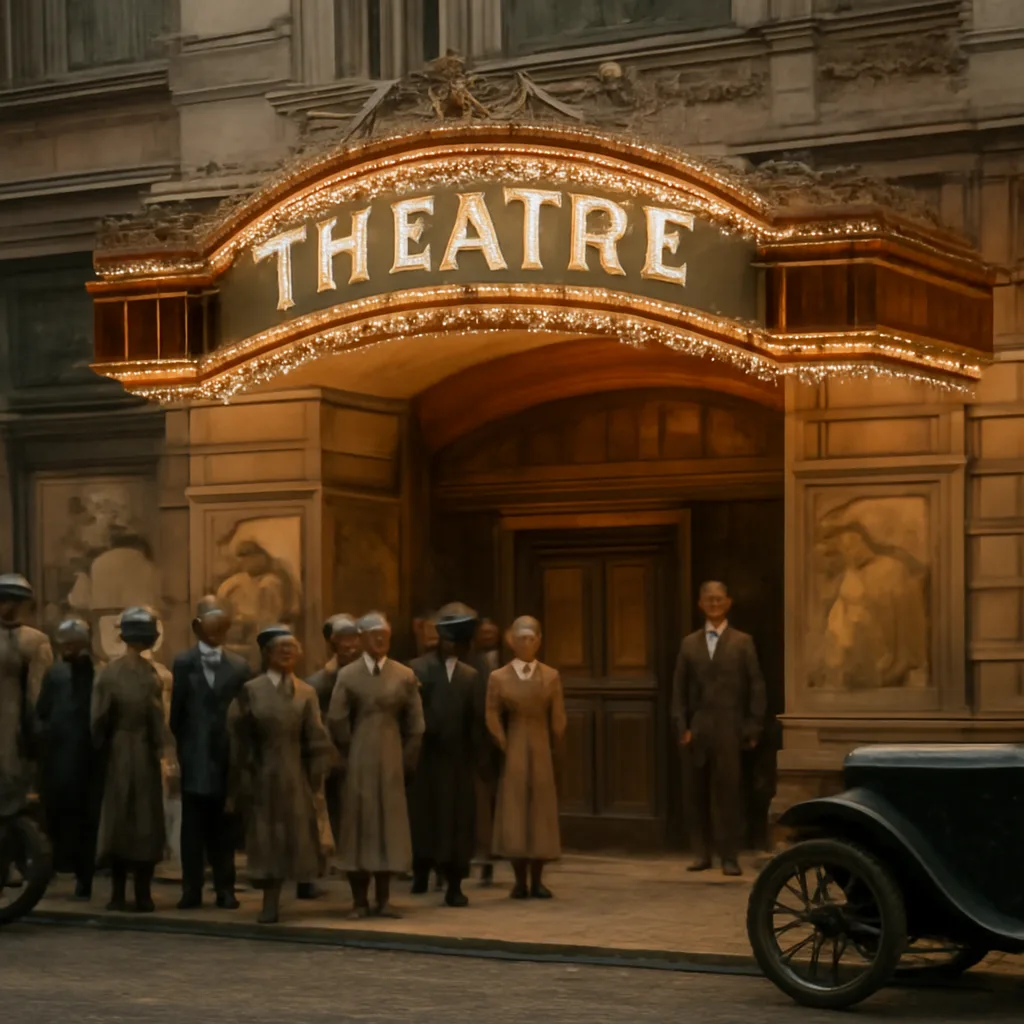
In 1915 the U.S. Supreme Court decided Mutual Film Corporation v. Ohio (1915), ruling that motion pictures were not covered by the First Amendment’s free-speech protections. That decision left regulation of films to state and local authorities and opened the door to widespread censorship. On May 9 of that year, enforcement actions and administrative measures began to reflect the court’s ruling, resulting in the first major, coordinated application of film-censorship principles across multiple jurisdictions. Background Before 1915, films had been subject to occasional local restrictions, but there was no clear national standard. Moral reformers, city boards, and state legislatures increasingly objected to depictions of violence, sexuality, and other material they deemed harmful. The Mutual Film case consolidated challenges to Ohio’s censorship board and asked whether motion pictures deserved constitutional protection as a form of free expression. The Supreme Court ruling and immediate effects The Court held that motion pictures were a business, a form of exhibition, and not a medium for the communication of ideas protected by the First Amendment. The opinion allowed states and municipalities to censor films in the interest of public morality and order. Practically, this meant that city and state censorship boards could require cuts, deny exhibition licenses, or ban films outright without running afoul of the federal Constitution. Beginning May 9, enforcement of censorship intensified as boards and civic officials invoked the ruling to justify stricter oversight. Some cities instituted systematic review processes; state boards expanded their staffs and formalized lists of objectionable content. The film industry responded by negotiating with local boards, altering content, or restricting distribution to avoid bans. This enforcement represented the first major, nation‑wide institutionalization of film censorship stemming from a Supreme Court decision. Consequences and legacy The Mutual Film decision and the enforcement that followed had substantial effects on American cinema. Filmmakers self-censored to secure exhibition in key markets, and producers increasingly relied on moral guidelines to avoid conflicts with local authorities. The patchwork of state and municipal rules led to inconsistent standards across the country. In response to such pressures and scandals in the 1910s and early 1920s, the industry later developed the Motion Picture Producers and Distributors of America (MPPDA) and the Hays Code as centralized methods to regulate content and forestall government action. Legal reversal The legal regime established in 1915 remained in force until it was overturned by the Supreme Court in Joseph Burstyn, Inc. v. Wilson (1952), which recognized motion pictures as a form of expression entitled to First Amendment protection. Until that reversal, the 1915 ruling and its enforcement shaped decades of film production, distribution, and exhibition in the United States. Notes on dating Contemporary accounts identify May 1915 as a moment when enforcement intensified after the Mutual Film decision (decided April 13, 1915). Records citing a specific May 9 enforcement action exist but sometimes differ on the precise year or the exact nature of local measures. Where dates or local details are disputed in primary sources, historians emphasize April–May 1915 as the period when the decision’s effects became broadly enforceable.