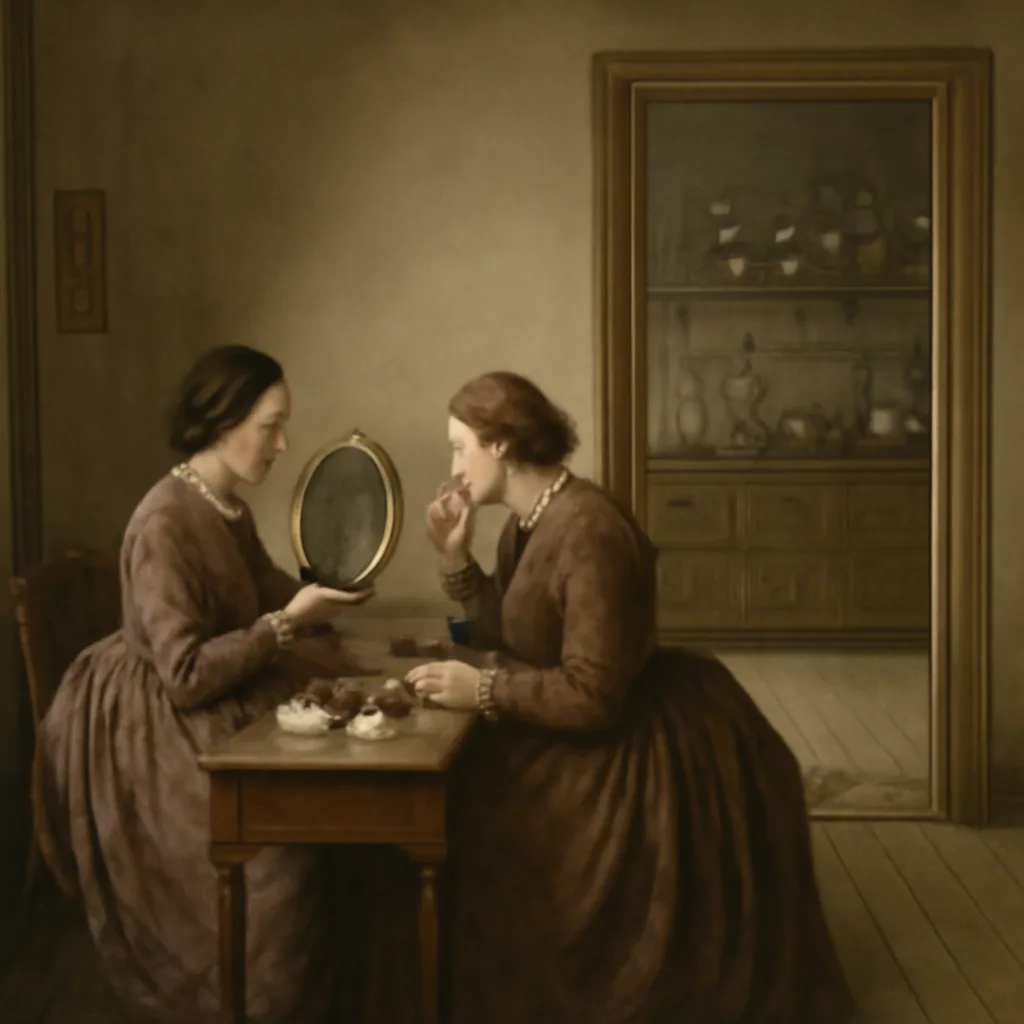
In mid-February 1869 newspapers and medical journals in several European cities reported clusters of severe illness and unexplained deaths among users of a popular white face powder. The powder, used widely by women to achieve a pale complexion fashionable in the period, was found in many cases to contain arsenic—then used industrially and sometimes present as an impurity or adulterant in pigments and powders. Contemporary accounts indicate the problem arose where manufacturers used arsenic-laden compounds—most often arsenic trioxide or arsenical pigments such as Scheele’s green or Paris white derivatives—in place of or mixed with safer whitening agents. Symptoms described in clinical reports and press coverage included chronic gastrointestinal pain, vomiting, diarrhea, weakness, and the progressive wasting typical of arsenic poisoning; in the most severe instances, death followed. Physicians and public health officials of the time linked the clinical picture to repeated topical application of contaminated powder, ingestion of powder (accidental or via hand-to-mouth transfer), and inhalation of fine particulate during cosmetic application. The 1869 cases were notable for the number of affected people and the clear association with a commercial cosmetic product. Investigations by municipal health authorities and chemists led to chemical analyses of seized samples; these analyses demonstrated arsenic in concentrations inconsistent with natural impurities and sufficient to produce chronic poisoning over repeated exposure. Press coverage and medical reports emphasized the vulnerability of consumers who relied on appearance-enhancing powders without knowledge of their chemical makeup. The incident occurred against a broader 19th-century context in which cosmetics, pigments, and household products were largely unregulated and industrial chemistry was rapidly expanding. Arsenic compounds had many uses in manufacturing, and pigment adulteration or substitution was a known hazard. Earlier and later episodes of arsenic-related harm—ranging from wallpaper and fabric dyes to contaminated beer—illustrate that the cosmetic-related poisonings were part of wider public-health challenges of the era. Responses included public warnings, calls for stricter oversight of chemical manufacturing and labeling, and advice from physicians about safer cosmetic practices. Some chemists and reform-minded journalists pushed for routine chemical testing of consumer goods. Although modern statutory food and drug regulatory frameworks were not yet in place, such episodes contributed to the growing recognition that voluntary industry practices were insufficient to protect consumers. Historians note some uncertainties in reconstructing the full scope of the 1869 events. Contemporary reporting varied in detail and accuracy, and record-keeping differed across cities and countries. Attribution of cause relied on the chemical methods available at the time and on the epidemiological reasoning then current; while later analyses corroborate the plausibility of arsenic exposure as the cause of the reported symptoms, precise counts of victims and exact concentrations in specific product batches are often not preserved. The 1869 arsenic-in-cosmetics episode remains significant as an early, well-documented instance in which a widely used beauty product was implicated in mass poisoning. It helped illustrate the human cost of unregulated chemical commerce and contributed to the gradual development of public-health measures and consumer-protection norms in the decades that followed.