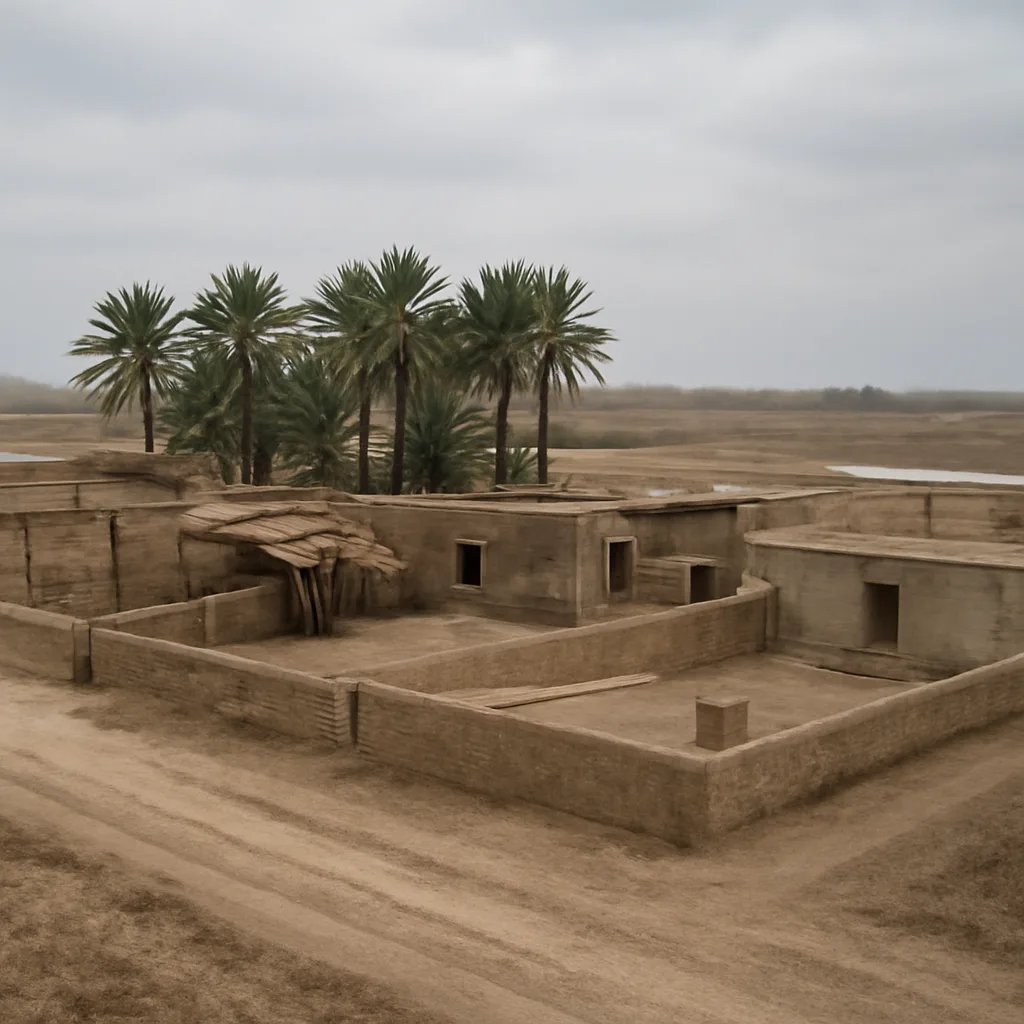
On December 13, U.S. forces captured Saddam Hussein, the deposed president of Iraq, during an operation near ad-Dawr, close to his hometown of Tikrit. Saddam had been ousted from power after the U.S.-led invasion of Iraq in March 2003; he subsequently evaded capture for more than eight months. The operation that led to his arrest was the result of intelligence gathering and targeted raids conducted by U.S. military personnel in coordination with coalition partners. According to contemporaneous reporting and official statements at the time, the capture occurred when U.S. troops searched a small underground hideout on a rural farm compound. Saddam was reportedly found concealed in a narrow, purpose-built subterranean cavity beneath a structure. He was not killed during the arrest; rather, he was taken into custody and transported to U.S. military control for initial processing and medical evaluation. The detention of Saddam Hussein marked a turning point in post-invasion Iraq. For supporters of the U.S. effort, the capture represented a significant operational success and a symbolic end to the most visible element of the former regime. For many Iraqis and others in the region, the arrest raised complex questions about justice, the future of Iraqi governance, and the process for holding senior officials accountable. After his capture, Saddam was transferred through U.S. custody and later stood trial before the Iraqi Special Tribunal (subsequently the Iraqi High Tribunal). He faced charges related to crimes against humanity, including the killing of hundreds of Shi'a men and boys in Dujail after an assassination attempt against him in 1982, among other alleged abuses. The trial, which began in 2005, was closely watched internationally and generated debate about legal procedures, fairness, and the role of domestic courts in post-invasion Iraq. Saddam Hussein was eventually convicted by the Iraqi tribunal. In December 2006, he was executed by hanging following the tribunal's death sentence, a development that further polarized opinion within Iraq and internationally. His capture and subsequent legal process had lasting effects on Iraqi political dynamics, sectarian relations, and the broader international discourse about occupation, transitional justice, and accountability for former leaders. Historical assessments of the capture emphasize both its operational significance and its symbolic value. The event did not end the broader insurgency and instability that followed the 2003 invasion; violence and political upheaval continued for years after. Researchers and historians note that while removing Saddam from the field of power eliminated a focal point for the former regime, it also did not resolve underlying political, social, and sectarian tensions exacerbated by the war and the collapse of state institutions. Because some details about intelligence sources and specific tactical aspects of the raid remain classified or contested, accounts of the capture may vary in detail. Nevertheless, the December 13 arrest is consistently identified in reliable sources as the date U.S. forces took Saddam Hussein into custody near Tikrit, bringing an end to his period of concealment following the 2003 invasion.