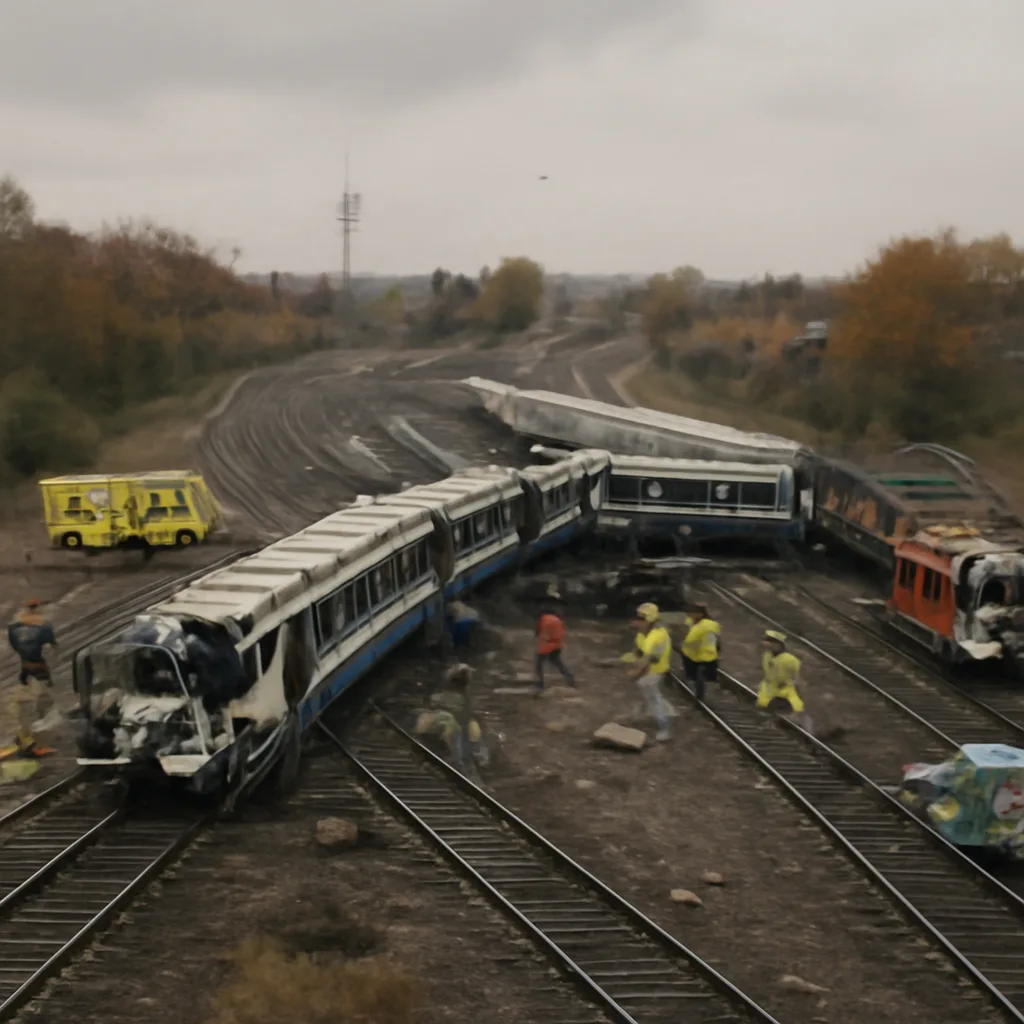
On November 18, at a busy section of track close to Clapham Junction in southwest London, two passenger trains collided, resulting in the deaths of 35 commuters and injuring dozens more. The collision occurred during a period of heavy passenger traffic, compounding the human toll and disruption to rail services across the network. Immediate response Emergency services — including ambulance, fire and police units — attended the scene within minutes after reports of the crash. Rescue teams worked to evacuate survivors from wreckage and to recover those killed. Local hospitals received multiple casualties; some victims were treated for severe trauma and others for less serious injuries. Authorities established a cordon around the site while recovery and forensic work proceeded. Rail operations and public impact Services in and out of Clapham Junction were suspended or severely delayed for hours as crews cleared the site and engineers inspected adjacent track and signalling equipment. Clapham Junction, one of Britain’s busiest interchanges, saw widespread disruption for commuters and longer-distance services, with replacement buses and diversions implemented where possible. Transport authorities urged passengers to avoid the area and to check for official service updates. Investigations and safety oversight An investigation into the collision was launched immediately. In incidents of this scale in the United Kingdom, investigations typically involve the British Transport Police (BTP), the Rail Accident Investigation Branch (RAIB) and the Office of Rail and Road (ORR). The RAIB examines technical and operational factors affecting railway safety, BTP leads any criminal inquiry if warranted, and the ORR assesses regulatory and system-wide safety implications. Investigators examine train data recorders, signalling logs, track condition, maintenance records and staff actions to determine causation. Preliminary statements from officials indicated that investigators were considering multiple possible factors — including signalling failure, human error and track or equipment condition — but no definitive cause had been announced at the time of reporting. Coroner and police inquiries into individual deaths typically follow the initial accident investigation. Historical and regulatory context Serious rail collisions in the UK have prompted major inquiries and reforms in the past, influencing signalling standards, driver training, fatigue management and infrastructure investment. The scale of fatalities in this incident places it among the deadliest recent rail accidents in Britain and is likely to prompt scrutiny of existing safety measures, investment priorities and oversight practices. Support for victims and families Local authorities and rail operators arranged victim support services, including counselling, practical assistance and information centres for relatives. Transport operators customarily offer compensation and bereavement support, and legal proceedings or civil claims can follow depending on investigation findings. Next steps Investigators will publish findings as their work progresses; RAIB reports typically include factual timelines, analysis of causal and contributory factors, and safety recommendations. Any criminal investigations or regulatory actions would run on parallel tracks. Meanwhile, transport agencies face immediate operational challenges restoring full service and addressing public concern about rail safety. Note on reporting This account summarizes known facts about the collision, immediate response and procedural follow-up typical in major UK railway incidents. Where official agencies (BTP, RAIB, ORR) or hospitals issue formal statements or reports, those sources will provide verified detail and final determinations about cause and responsibility.