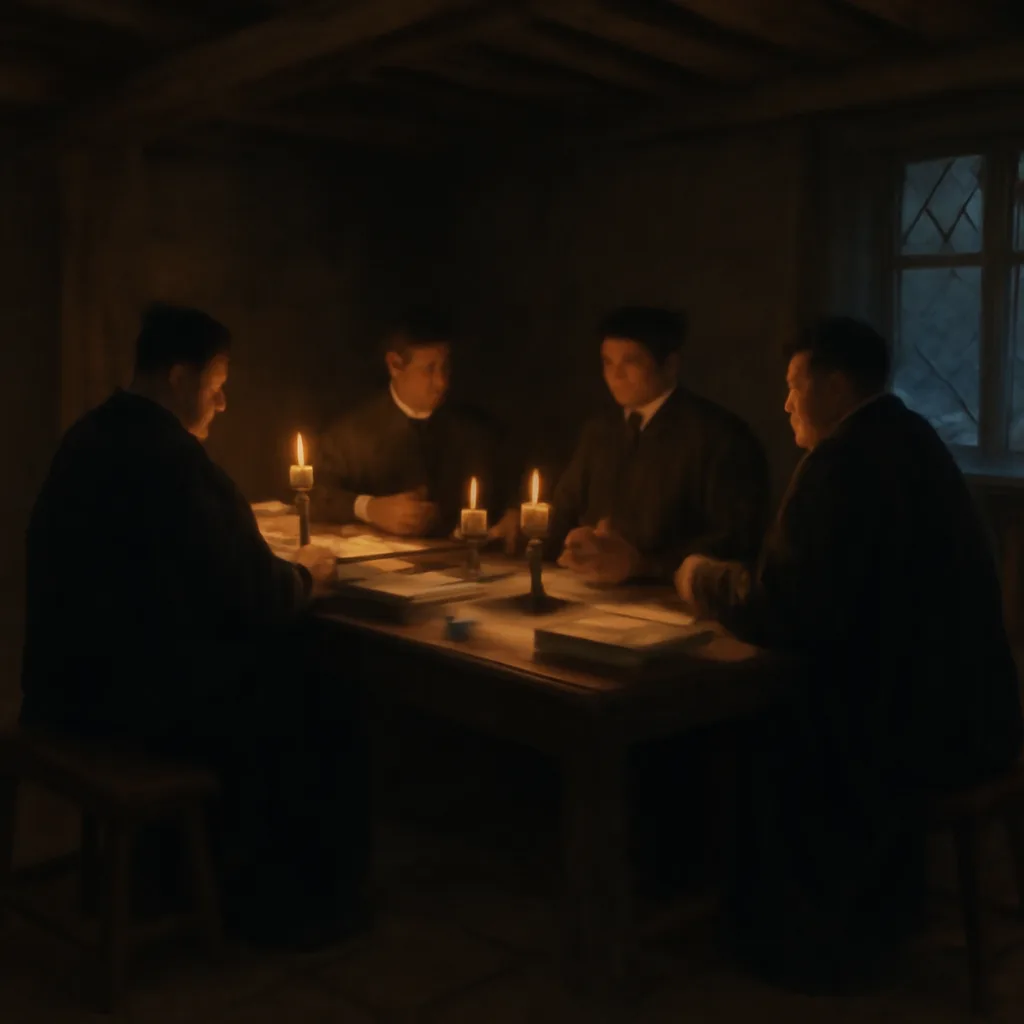
On January 6 (a date commemorated in records of several Scottish witchcraft episodes), a prominent witch panic reached a peak in one of the kingdom’s most consequential series of prosecutions. Over the 16th and 17th centuries Scotland experienced repeated outbreaks of witch-hunting that differed in scale and intensity; the January date recurs in court rolls and kirk session minutes as a moment when accusations, interrogations and confessions intensified. Context: Scotland’s witch trials unfolded amid religious upheaval, local rivalries and a legal system that gradually adopted procedures enabling brutal interrogations. After the Reformation, kirk courts and secular magistrates both policed moral behavior; Parliament’s Witchcraft Act of 1563 made witchcraft a capital crime. Belief in maleficium (harmful magic) and diabolism (pacts with the Devil) circulated in sermons, presbytery records and popular speech, creating a climate in which misfortune—crop failure, disease, unexpected deaths—could be read as caused by witches. Escalation and methods: In several documented panics, accusations multiplied quickly as authorities sought confessions and evidence. Interrogation often relied on sleep deprivation, prolonged questioning and coercive pressure; in higher-profile cases, accused persons were tortured or subjected to methods intended to elicit admission of consorting with the Devil, familiars or maleficent acts. Physical searches for the so-called “witch’s mark,” ordeals such as pricking, and the use of informers and child witnesses were deployed. These methods were legally and socially controversial even at the time, but they helped produce narratives of unconscious networks of evil that judges and ministers then prosecuted. Scale and consequences: Scotland’s witchcraft prosecutions were among the most intense in Europe relative to population. Estimates of total executions vary among historians, but several hundred to over a thousand people were tried and many executed between the mid-16th and early 18th centuries. The panics often targeted older women, the socially marginal, and those who were convenient scapegoats for community misfortunes. Trials could obliterate families’ reputations, confiscate property, and leave long-term trauma in parish records. Legal and religious drivers: The interplay between kirk discipline and secular law was crucial. Ministers’ sermons stressing diabolic threat, presbytery investigations of alleged witchcraft, and the willingness of local magistrates to refer cases for capital prosecution together magnified threats. Manuals and treatises—such as James VI’s Daemonologie—circulated ideas about pacts with the Devil and professionalized suspicion. Conversely, skepticism also existed: some ministers, physicians and legal figures warned against relying on spectral evidence or forced confessions. Memory and interpretation: Later generations debated whether Scottish witch-hunts resulted primarily from misogyny, social control, religious zeal, local vendettas, or a combination of these. Modern historians emphasize complexity: the prosecutions were rooted in cultural beliefs about causation and misfortune, legal structures that normalized coercion, and contingency—local crises, weather, epidemics and interpersonal conflicts that triggered accusations. The phrase “invention of evil” reflects how institutions and communities constructed categories of diabolism through interrogation, confession and public punishment. Legacy: The witch panics left material traces—court records, kirk session minutes, and statutes—that scholars continue to study. These documents show both the mechanisms of persecution and moments of resistance: acquittals, interventions by skeptical judges, and eventual legal reforms. By the early 18th century witch trials declined in Scotland as Enlightenment attitudes, legal caution about evidence, and changing religious focuses reduced the appetite for mass prosecutions. Nonetheless, the January incidents and other panics remain a reminder of how fear, institutional power and belief can combine to produce grave injustice. Note on sources and uncertainty: Details vary by locality and episode; parish and court sources are the foundation for reconstructions, but surviving records are uneven. Specific numbers and exact dates of particular January events differ between archives and scholarly estimates, so summaries emphasize patterns corroborated by multiple contemporary records and modern scholarship rather than a single definitive account.