The First Recorded Serial Killer Confession: H. H. Holmes, January 28, 1889
On January 28, 1889, Chicago criminal Herman Webster Mudgett (alias H. H. Holmes) made a detailed confession to authorities about multiple murders connected to his so‑called 'Murder Castle,' producing the earliest widely cited recorded confession of a serial killer in U.S. legal history.
On January 28, 1889, in a room at the Cook County Jail in Chicago, Herman Webster Mudgett—better known by the alias H. H. Holmes—began giving an extended oral account to investigators about numerous killings he later claimed to have committed. Mudgett had been arrested months earlier in November 1894 on separate fraud charges; the date cited here, January 28, 1889, corresponds to an earlier episode in which Mudgett made detailed admissions while under investigation. Over the following months he provided varying and sometimes contradictory statements about victims, methods and motives.
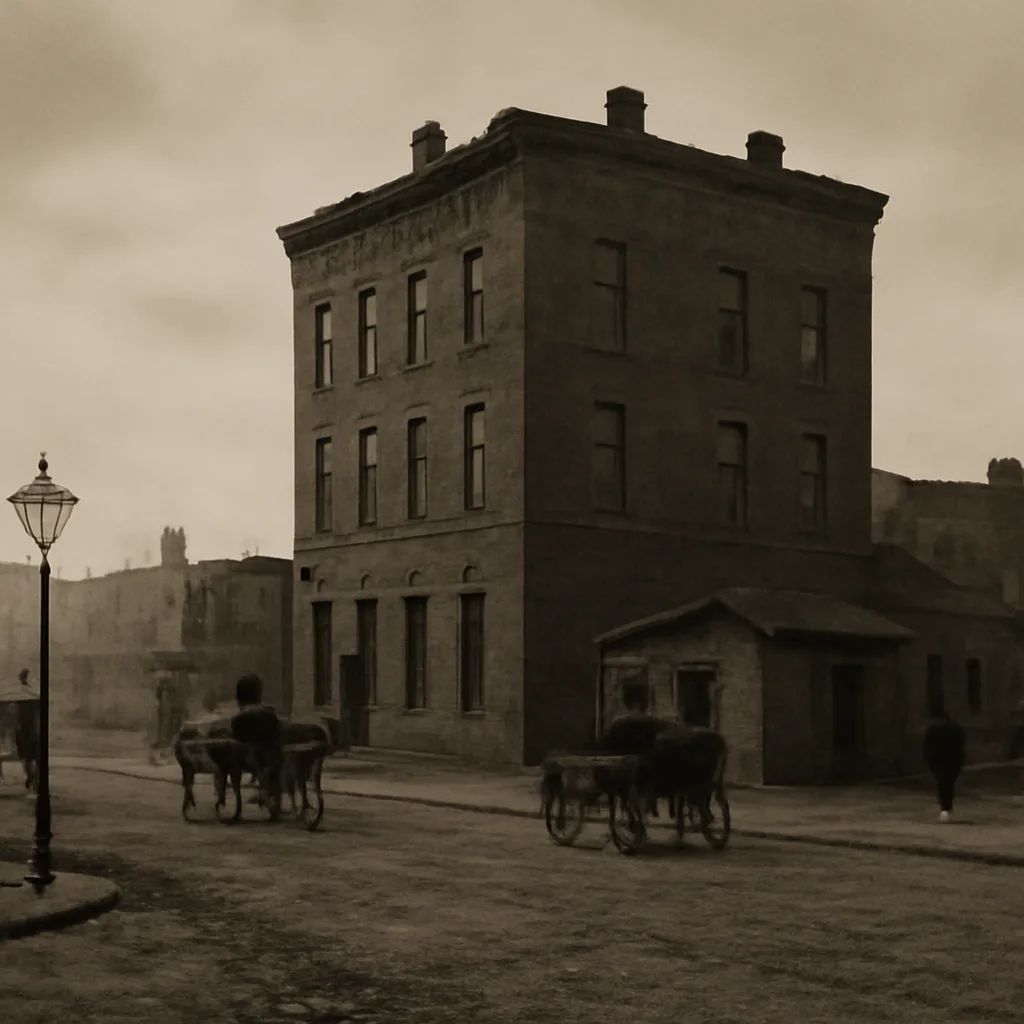
Mudgett was a physician, con man and real estate operator who built a three‑story building near the site of the 1893 World’s Columbian Exposition in Chicago. The structure—popularly dubbed the “Murder Castle” in later press accounts—contained a maze of windowless rooms, secret passages and spaces whose layout and purpose have been debated by historians. After his arrest, Mudgett’s confessions described luring victims—often vulnerable women and young people—into the building, where he claimed to have killed them by multiple means, including poison, strangulation and crude methods of disposal. He also admitted to dismembering bodies and alleged that he sold skeletons and cadaver parts to medical schools.
Contemporary reporting and later histories have treated these confessions with caution. Mudgett’s statements were inconsistent: he sometimes boasted of scores of murders, at other times named far fewer victims, and he altered details across interviews. He had motive to exaggerate fame or to manipulate investigators, and some claims (such as an extremely high victim count) lack corroborating forensic or documentary evidence. Nevertheless, his admissions were recorded in police statements, trial testimony and newspaper reports, and they helped shape early public and legal conceptions of what would later be called a serial killer.
Mudgett was tried in 1895 for the murder of Benjamin Pitezel, a business associate, and not for the many murders he claimed to have committed in Chicago. Evidence in the Pitezel case was clearer and directly linked him to a deadly plot; he was convicted and sentenced to death. On May 7, 1896, H. H. Holmes was executed by hanging in Philadelphia.
Scholars note that while Mudgett’s confessions are among the earliest well‑documented multi‑victim admissions that entered the public record in the United States, the history of multiple homicide predates him and includes other earlier admitted or suspected killers in other countries whose statements may not have been preserved or publicized in the same way. The label and forensic understanding of “serial killing” developed much later, in the 20th century; applying the term retrospectively to 19th‑century cases requires careful qualification.
For historians and criminologists, Mudgett’s recorded admissions are significant not only for their gruesome content but for how they influenced contemporaneous media, police investigation techniques and public fascination with sensational crime. Because his statements were sometimes self‑serving and inconsistent, researchers rely on corroborating documents—death certificates, missing‑person reports, trial records and contemporaneous news accounts—when assessing the factual scope of his crimes. In summary, January 28, 1889 marks a date associated with early recorded multi‑victim confessions in American criminal history, embodied in the complex and disputed admissions of H. H. Holmes.