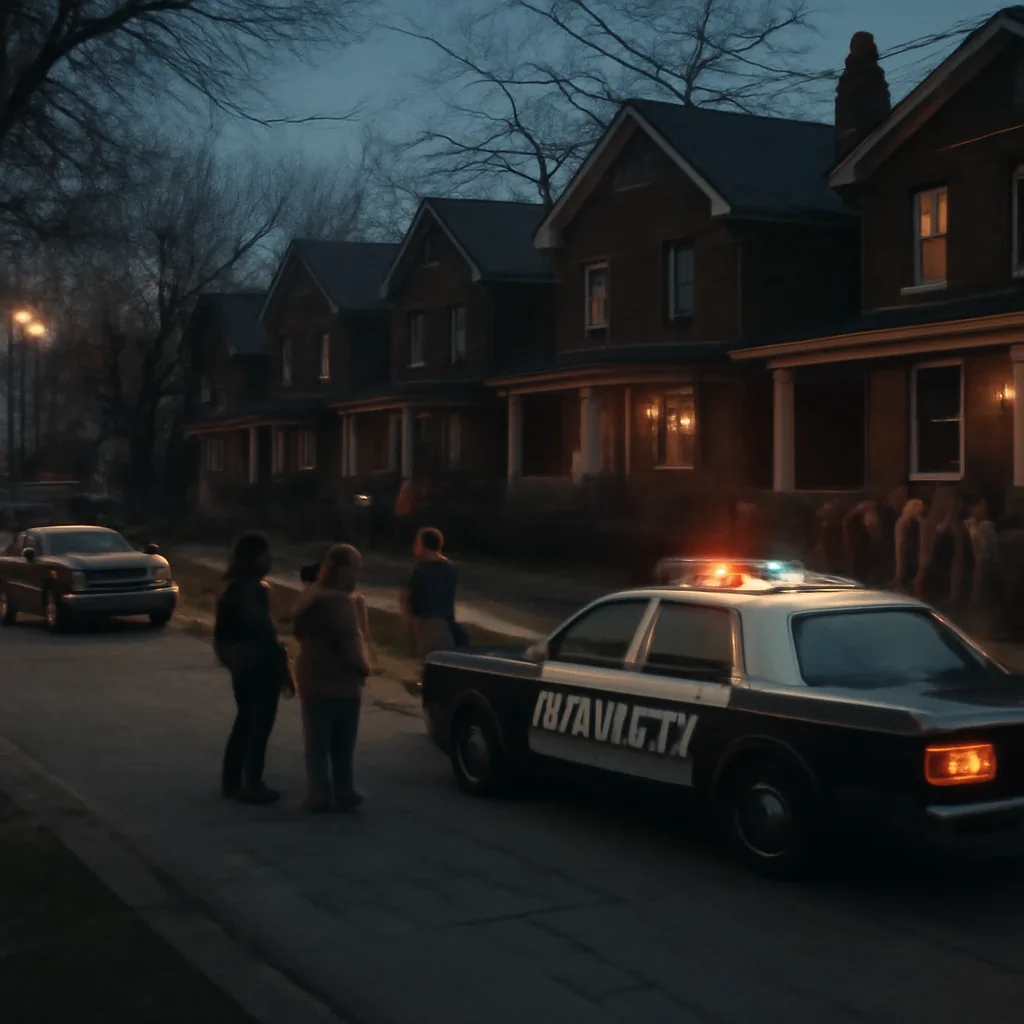
In March 1978 a widely circulated account from Cleveland Heights, Ohio, described a supposed murder that prompted intense local media coverage and a string of imitative threats and scares in nearby communities. Over time the episode has been referenced in discussions of “copycat” crime and moral panic—the phenomenon in which publicity about an alleged violent act appears to trigger similar conduct or mass alarm—yet historians and media researchers caution that the specifics of the Cleveland Heights case are contested and often oversimplified in secondary accounts. What is relatively secure in contemporary reporting is that a violent incident or alleged murder in the Cleveland Heights area drew substantial local attention in early March 1978. Local newspapers and radio outlets reported graphic details and community reactions; some accounts describe a heightened police presence, warnings to schools, and parents’ anxiety. In the days that followed, officials in neighboring towns reported threats, hoaxes, or aroused fears of copycat attacks, which were reported in turn by regional press. These ripple effects led commentators to label the episode an early instance of murder-related “hysteria” fueled by intense media attention. However, later scholars reviewing the record have urged caution. Primary-source documentation—contemporary police logs, full news articles, and municipal records—do not always align with later retellings that present the Cleveland Heights case as a clear-cut, causal example of copycat crime. Some historians note gaps in the public record about whether the initial incident was definitively confirmed as a murder, how many subsequent threats were credible versus prank or rumor, and the degree to which media coverage amplified or merely reflected preexisting community fear. The interpretation that Cleveland Heights was the first significant modern example of murder copycat hysteria is therefore not unanimously accepted. Context matters: by the late 1970s, American media environments and urban social anxieties were shifting. Sensational crime reporting, the rise of 24-hour talk radio in some markets, and public concern about violent crime created fertile ground for rapid rumor propagation. Instances of imitation or threats following high-profile crimes had earlier precedents, but scholars point to episodes like Cleveland Heights as illustrative of how local media amplification could transform isolated incidents into broader public panics. Researchers also emphasize that distinguishing genuine imitation from copycat moralizing in retrospective accounts requires careful evaluation of contemporaneous evidence. For readers seeking verifiable detail, primary sources from the period—local newspaper archives, police press releases, and municipal meeting minutes—are the most reliable basis for reconstructing events and their immediate aftermath. Secondary accounts that label the case as the first or archetypal copycat “murder hysteria” should be treated as interpretive summaries rather than incontrovertible fact. The Cleveland Heights episode remains important in media-studies and crime-history discussions because it highlights how reportage and rumor interact, but its status as the definitive origin of copycat murder panics is disputable. In short, the March 1978 Cleveland Heights incident is frequently cited in later literature as an early example of media-driven copycat hysteria, yet careful historians underline uncertainties about causation, scale, and verification of the underlying events. The case is therefore best understood as a historically significant but contested example that illustrates broader dynamics of news, fear, and social reaction in late-20th-century America.