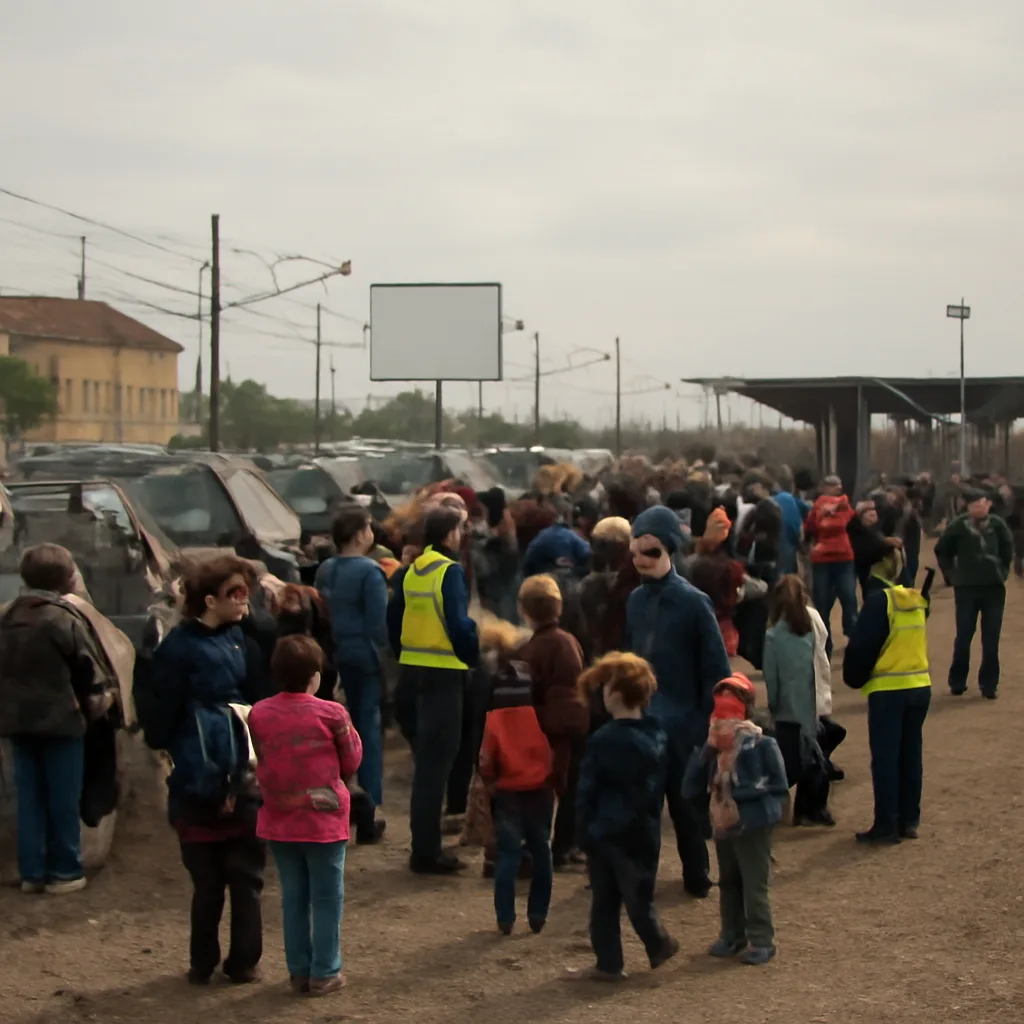
In September 2015 Europe experienced a dramatic intensification of irregular migration and refugee movement, driven principally by conflict in Syria and instability elsewhere in the Middle East, South Asia and Africa. The surge strained transport hubs, border crossings and national asylum systems across the continent and prompted urgent policy responses and political controversy. By late summer 2015 the number of people arriving in Europe by sea and overland routes had risen markedly compared with previous years. Many traveled along the so-called Eastern Mediterranean route — from Turkey to the Greek islands and onward through Macedonia (now North Macedonia), Serbia and Hungary toward western Europe — while others continued to cross the Central Mediterranean from North Africa to Italy. Overcrowded reception sites, ad hoc camps and makeshift transit points became visible across Greece, the Balkans and at the Hungary–Serbia border. National authorities and the European Union responded in different ways. Several countries temporarily reintroduced internal border controls within the Schengen area or strengthened checks at external frontiers. Hungary erected and extended border fences and deployed police and military units to hold crossings closed; Serbia and Macedonia at times restricted or controlled transit flows. Greece, facing a large influx on its islands and mainland reception centers operating beyond capacity, appealed for EU assistance. The European Commission and member states debated measures such as relocation quotas, emergency funding for frontline states, and stepped-up cooperation with Turkey and transit countries to manage flows and tackle smuggling networks. Humanitarian organizations reported overcrowding, inadequate shelter, limited access to sanitation and protection concerns for vulnerable groups including unaccompanied children. Volunteers and local communities provided significant ad hoc assistance in many places, while international agencies called for increased humanitarian funding and safer legal avenues for asylum seekers and resettlement. The surge reinforced political tensions within and between EU member states. Some governments and parties emphasized border security and stricter asylum controls; others urged solidarity and more equitable distribution of asylum applicants across the Union. Public opinion varied widely between countries and within societies, influencing domestic politics and contributing to contentious debates in national parliaments and EU institutions. Operationally, the flow exposed gaps in Europe’s shared asylum and migration framework, prompting calls for reform of the Dublin system (which generally assigns responsibility for asylum claims to the first EU country of arrival). In response, the European Commission proposed compulsory relocation schemes for a limited number of asylum seekers from frontline states to other member countries; those proposals met resistance and were politically divisive. The developments of September 2015 occurred against a backdrop of large-scale displacement globally and intensified media attention. Images and reports from transit points and Mediterranean crossings brought urgency to international discussions on protection, burden-sharing and long-term strategies to address the root causes of displacement. Policymakers balanced immediate operational needs — reception capacity, processing, returns where applicable — with complex diplomatic efforts, including negotiations with Turkey to curb irregular crossings that would later culminate in a March 2016 EU–Turkey statement. In sum, September 2015 marked a peak period in a broader migration crisis that tested EU institutions, national policies and humanitarian capacities. It highlighted the practical and political challenges of managing large movements of people in a region committed to free movement internally but dependent on cooperation and solidarity to handle external arrivals. Many of the policy debates and operational responses from that period continued to influence European migration policy in subsequent years.