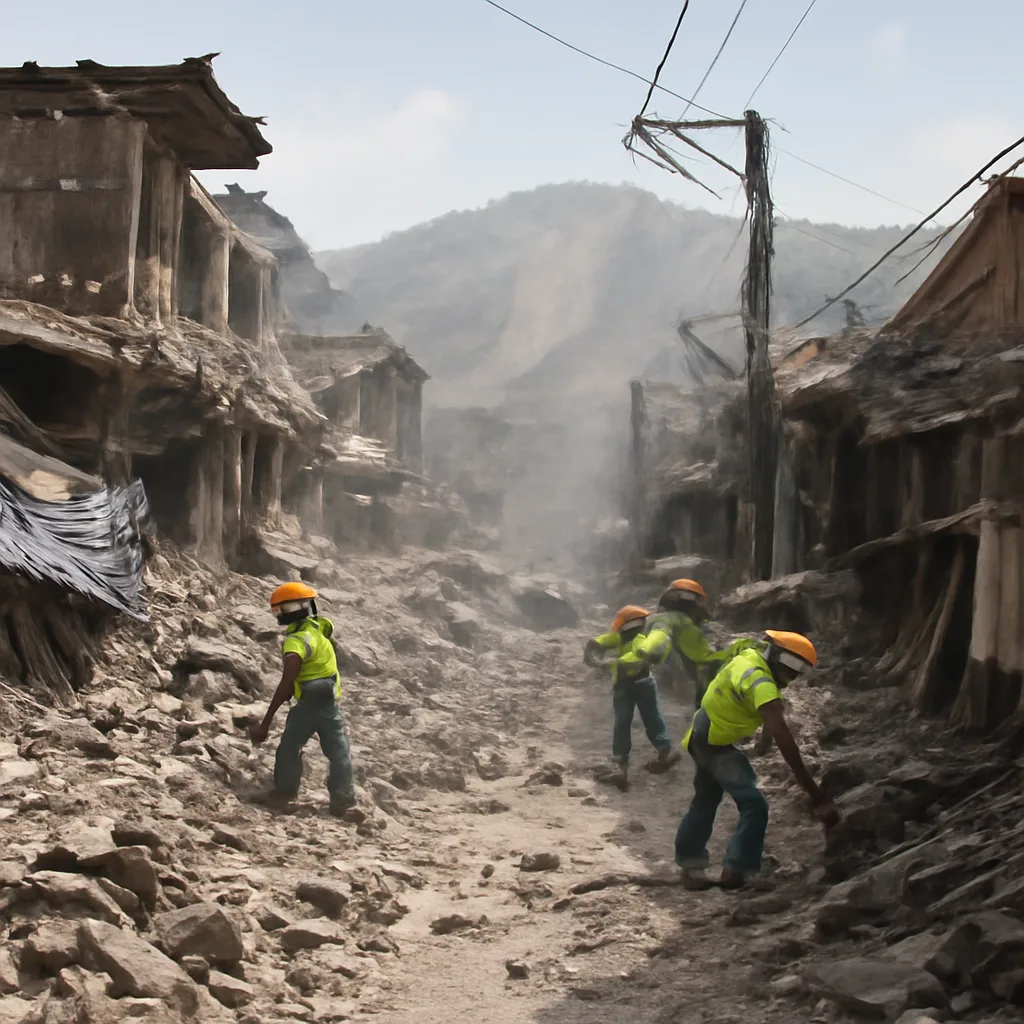
On October 10, an earthquake struck El Salvador, producing catastrophic damage across urban and rural areas and causing a high number of fatalities and injuries. Seismic shaking collapsed homes, apartment blocks and public buildings, triggered landslides in mountainous zones and left roads and bridges impassable in several provinces. Communications and power networks were disrupted, complicating early rescue and relief efforts. The epicenter, magnitude and depth of the quake have been reported differently by various seismic agencies in early accounts; those technical details are still being refined as instruments are analyzed and aftershocks are recorded. Ground reports from municipalities describe scenes of extensive structural failure: masonry houses reduced to rubble, reinforced concrete buildings with pancaked floors, and critical infrastructure such as hospitals and schools suffering severe damage or evacuation. Rescue teams—composed of national civil protection units, local fire brigades and volunteers—are conducting search-and-rescue operations, often relying on heavy equipment where available and using improvised methods where access is restricted. Hospitals in affected zones have been overwhelmed, with many injured receiving treatment in temporary triage areas or being transferred to less-impacted facilities when roads permit. Authorities have declared emergency measures and mobilized the military and national protection services to support search-and-rescue, debris removal and logistics. Humanitarian organizations and neighboring countries historically respond to major disasters in the region; early international offers of assistance are common, though specific deployments and timelines depend on official requests and assessments. Landslides in hillside communities have isolated villages and destroyed agricultural lands, complicating relief access and risking secondary hazards such as disrupted water supplies and contamination. In low-lying coastal areas, tsunami warnings or sea disturbances can accompany strong offshore earthquakes; any such warnings, cancellations or observed sea behavior should be confirmed with official national or regional tsunami-alert centers. The full death toll, number of injured and scale of displacement will likely change as search operations continue and more areas become accessible. Past major earthquakes in Central America have shown casualty figures and damage assessments can rise significantly in the days and weeks after the initial event. Authorities typically prioritize accounting for missing people, restoring critical services, and establishing shelter, food, water and medical care for those displaced. Recovery and reconstruction needs will depend on the extent of damage to housing, health facilities, schools, roads and utilities. Accurate, verified information is essential in the immediate aftermath. Official statements from El Salvador’s national civil protection agency, the ministry of health and accredited seismic monitoring centers are the primary reliable sources for casualty figures, damage reports and safety advisories. Independent media reports, eyewitness accounts and social media may provide early details from the ground, but such accounts can contain incomplete or unverified information amid the confusion of a major disaster. As rescue operations proceed and official assessments are published, international aid organizations and governments often coordinate relief shipments, search-and-rescue specialists, medical teams and emergency supplies. Long-term recovery will require detailed assessments of housing, infrastructure and livelihoods, and historically such efforts involve both national investment and international support. This account summarizes the immediate impacts and likely response priorities following the October 10 earthquake in El Salvador based on initial reports and established disaster-response patterns. Specific figures and technical seismic data remain subject to official confirmation and updates.