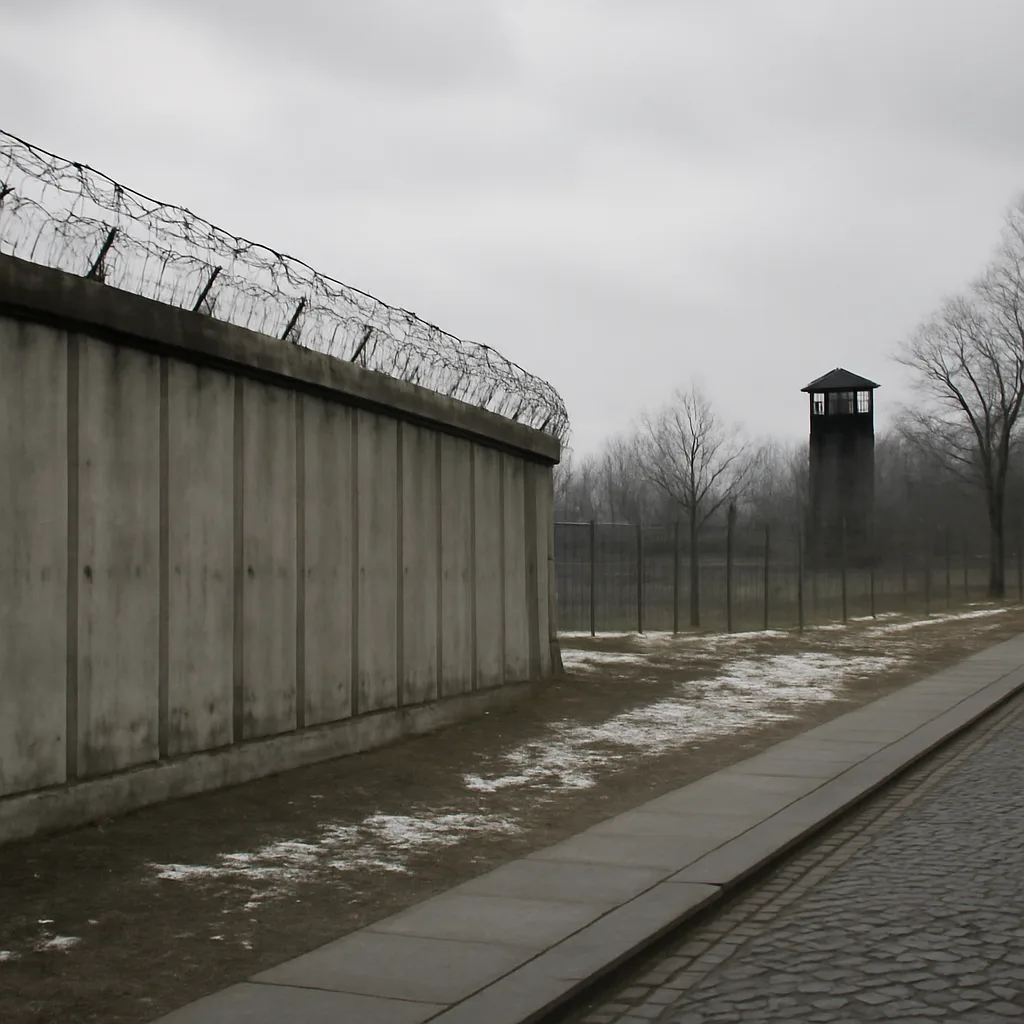
On 7 February 1990, soon after the fall of the Berlin Wall, East German authorities published a revised official count of people who had died at the Inner German border and at the Berlin Wall. The revision, released amid the collapse of the German Democratic Republic (GDR) and growing access to formerly secret records, increased the number of documented deaths and underscored the previously concealed scale of fatal border enforcement. Background The Berlin Wall, erected by the GDR on 13 August 1961, separated East and West Berlin and became the most visible symbol of Cold War division. The border regime included walls, fences, watchtowers, minefields, and a shoot-to-kill policy enforced by border guards. For decades the East German state controlled information about escape attempts and fatalities, often suppressing or misrepresenting cases to deter emigration and maintain an image of socialist order. The 1990 revision In the months after 9 November 1989, when border crossings were effectively opened, access to Stasi and border police files increased. On 7 February 1990 authorities published a revised tally that added cases to the official list of those who had died attempting to cross the Wall or the Inner German border. The updated count resulted from investigations that incorporated files, eyewitness reports, and recovered records that had been concealed or incomplete under earlier GDR reporting practices. The revision did not produce a single universally agreed final figure; rather, it marked a significant upward adjustment compared with the numbers previously acknowledged by the East German government. Uncertainties and disputed figures Historians and human-rights researchers caution that any single number is provisional. Variations in counting stem from differences in methodology (for example, whether to include border guards killed in the line of duty, people who died months after injuries, or those whose deaths were accidental versus intentional), incomplete or destroyed records, and contested cases where responsibility is unclear. Subsequent research by West German authorities, memorial organizations, and independent scholars produced differing totals. As a result, scholarship typically presents ranges and documents individual cases rather than treating a single revised figure from early 1990 as definitive. Significance The 1990 revision was important politically and morally. Politically, it undermined the GDR’s longstanding secrecy and propaganda about border control. Morally and historically, acknowledging additional deaths contributed to public reckoning with the human consequences of the division of Germany and the policies that enforced it. The revised count also supported later efforts to investigate specific incidents, to prosecute those responsible in some cases, and to create memorials and archives that document victims’ stories. Legacy Since reunification, research into Wall victims has continued. Memorials such as the Berlin Wall Memorial and various documentation centers compile names, case files, and biographies. While the exact total of border deaths remains debated among historians, the 1990 revision stands as an early and consequential step toward transparency and remembrance, prompting more exhaustive investigations and the gradual construction of an accountable historical record.