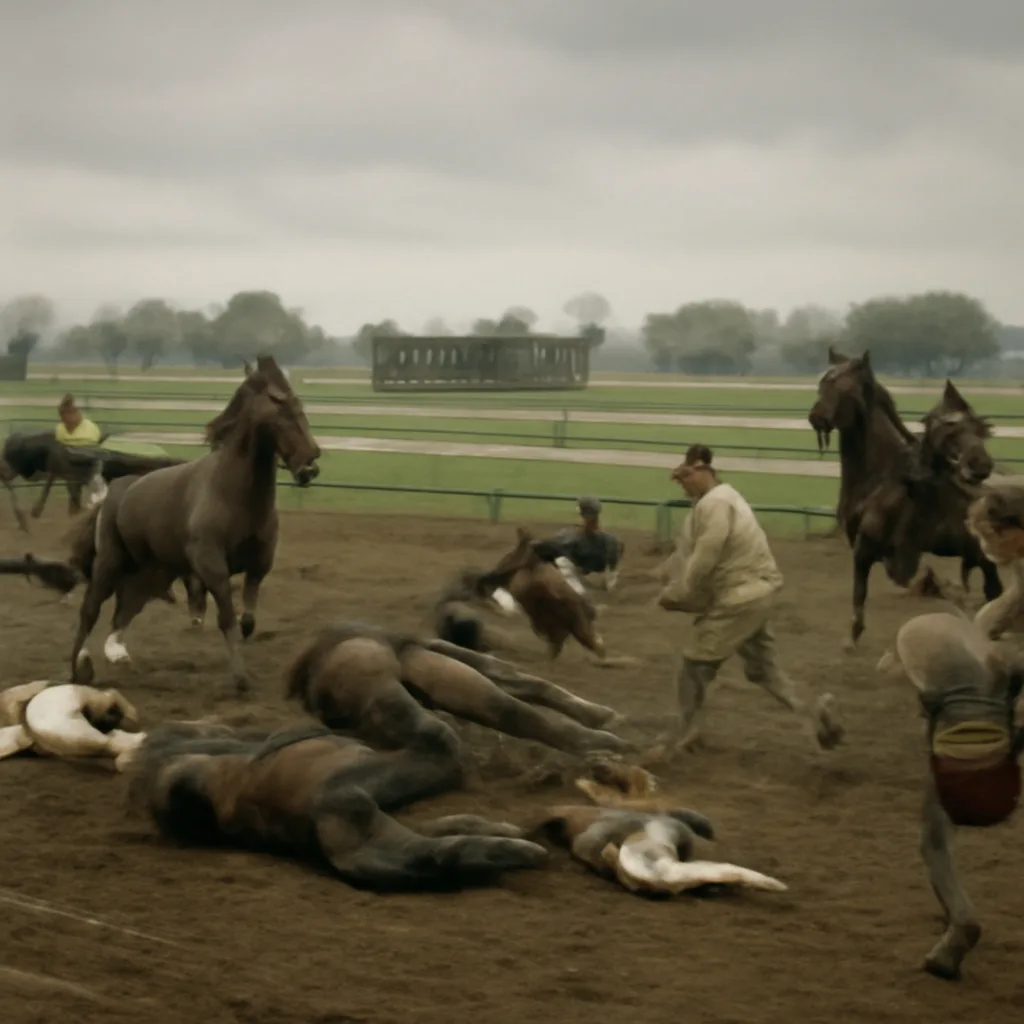
On September 15, 1988, a significant multi-horse pileup took place during a prominent Thoroughbred race, producing multiple horse fatalities and injuries that drew immediate attention to track safety and racing procedures. The incident occurred in the stretch run, when several horses became entangled after a chain-reaction incident; jockeys were thrown or forced to rein their mounts away from the collapsing group. Emergency response crews and veterinarians attended the scene, and some horses were euthanized due to catastrophic injuries. Contemporary press reports and racing archives indicate that the pileup unfolded quickly, as often happens in close, fast finishes when large fields are bunched together. Exact counts of affected horses vary among sources: some contemporaneous accounts reported three to five fatalities, while others listed a larger number of injured animals. Discrepancies in counts reflect the chaos of the immediate aftermath and differing definitions of deaths on the track versus later euthanasia at veterinary facilities. Jockey injuries were also reported but tended to be less fatal; most jockeys involved suffered bruises or falls with varying degrees of injury. The 1988 pileup reawakened longstanding concerns about the safety of large-field races, the quality and maintenance of track surfaces, starting and racing tactics that compress horses into tight clusters, and the adequacy of on-track veterinary care. In subsequent months and years, the racing industry and individual racetracks revisited policies on field sizes, starting gate procedures, use of breakaway or padded rails, and emergency veterinary protocols. Some jurisdictions tightened rules and pursued studies to reduce catastrophic breakdowns. Historians of the sport and animal welfare advocates cite the 1988 incident among several high-profile breakdowns in the 1980s and 1990s that contributed to evolving standards. Those changes included improvements in pre-race screening, better communication among stewards and veterinary staff, and more advanced methods for track surface maintenance. The episode is also referenced in broader debates over racing practices such as medication policies and training regimens that can affect horse soundness. Because contemporary reporting sometimes differed on details, and because later retrospectives have focused more on industry-wide trends than on a single event, some specific facts about the September 15, 1988 pileup remain reported with variation across sources. What is consistent across accounts is that the incident was deadly for multiple horses, prompted an urgent on-track veterinary response, and intensified scrutiny of race-day safety. The event remains part of the larger historical record documenting how catastrophic breakdowns have shaped reforms in Thoroughbred racing.