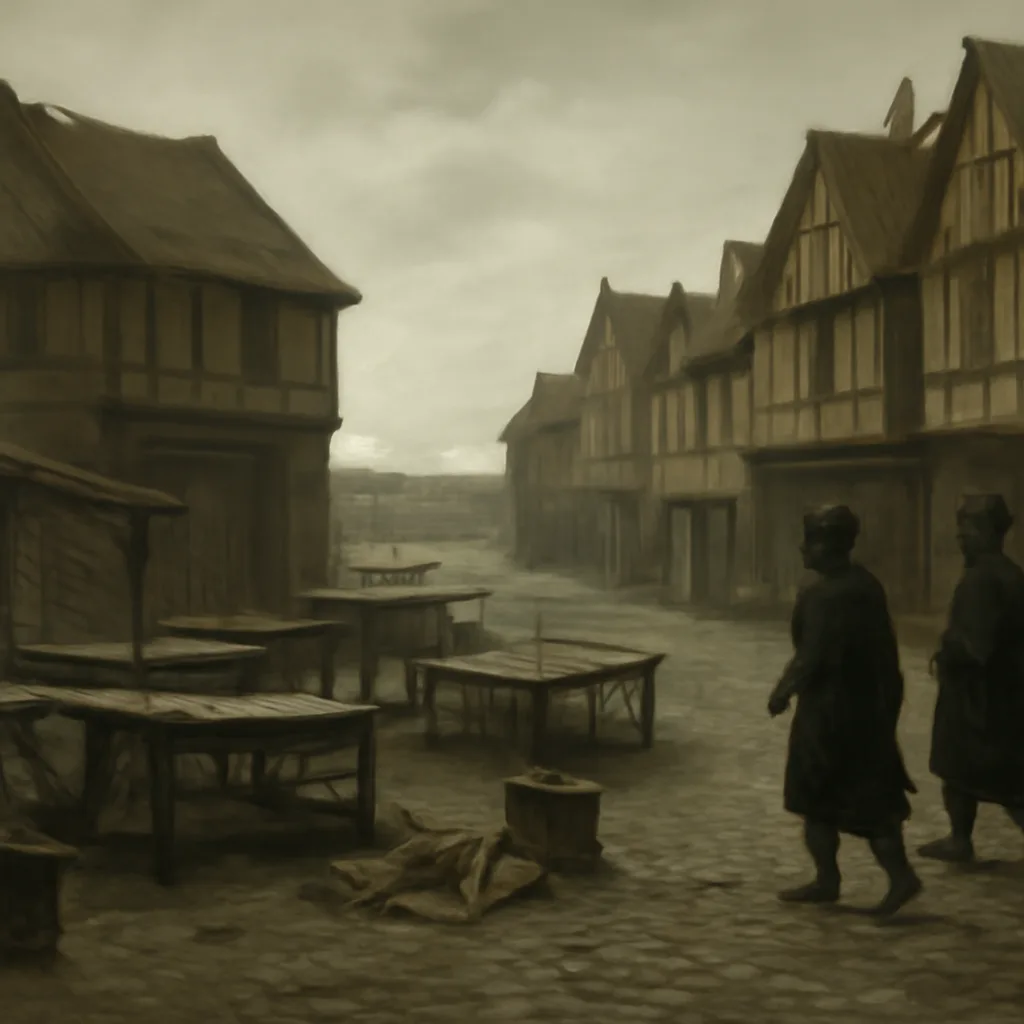
In early July, London officials moved to restrict public assemblies as cases of plague increased in the city and surrounding areas. Authorities drew on long-standing public-health practices developed during earlier outbreaks: closing theaters and other entertainment venues, restricting markets and fairs, and discouraging large religious gatherings when feasible. These measures aimed to reduce person-to-person contact and slow the transmission of the disease. The term "plague" in 17th-century records most commonly refers to what modern historians and epidemiologists identify as bubonic plague, caused by the bacterium Yersinia pestis and typically spread by infected fleas on rodents. Municipal responses in this period combined rudimentary quarantine, the isolation of the sick, and efforts to control movement into and out of the city. Wealthier Londoners often fled to country houses or smaller towns to avoid infection, while poorer residents usually had to remain and bore the brunt of disease and economic disruption. London’s civic leadership—within the framework of city governance and royal authority—relied on existing legal instruments such as orders by the Lord Mayor and proclamations from the Privy Council to enforce closures and movement restrictions. Implementation varied by parish and neighborhood, and compliance could be uneven: some households concealed the ill to avoid quarantine; other areas saw swift enforcement with watchmen posted to prevent travel. Records from parish clerks and city officials show that the repeated pattern of closing public venues was a standard, if imperfect, response to rising mortality and fear of contagion. The closure of theaters and public entertainments had both social and economic effects. The theater industry, which flourished in London during the early 17th century, suffered interruptions that affected actors, playwrights, and associated trades. Markets were constrained, complicating food distribution and trade, and many urban laborers faced loss of income. Meanwhile, the closure of communal worship presented both logistical and theological challenges for clergy and congregations; some parishes attempted to hold limited or staggered services, while others relied on prayer books and proclamations read publicly. Contemporary medical understanding of disease causation was limited. Physicians and laypeople offered a range of explanations—miasma (bad air), astrological influences, and contagion theories all coexisted—and recommended varied remedies and preventive measures. Local governments combined these beliefs with pragmatic measures such as fumigation of houses, removal of corpses for burial elsewhere, and attempts to clean streets. These efforts were shaped by available knowledge, social hierarchies, and the capacity of civic institutions to enforce rules. Historians view such closures and restrictions as part of a longer pattern of epidemic management in early modern Europe. While these measures could delay or reduce transmission in some instances, they were rarely sufficient to stop large-scale outbreaks on their own. The social consequences—displacement, economic strain, and disruption of communal life—were profound and unevenly distributed. Contemporary sources and later scholarship document that the summer closures in and around July were among the early responses that prefaced the larger 1665 epidemic. Exact dates and the scope of restrictions can vary across primary records, and reporting at the time was affected by uneven recordkeeping and local discretion in enforcement. Nonetheless, the decision to ban or limit public gatherings reflects the repeated efforts by city authorities to use the tools available to them in the face of a recurrent and frightening disease.