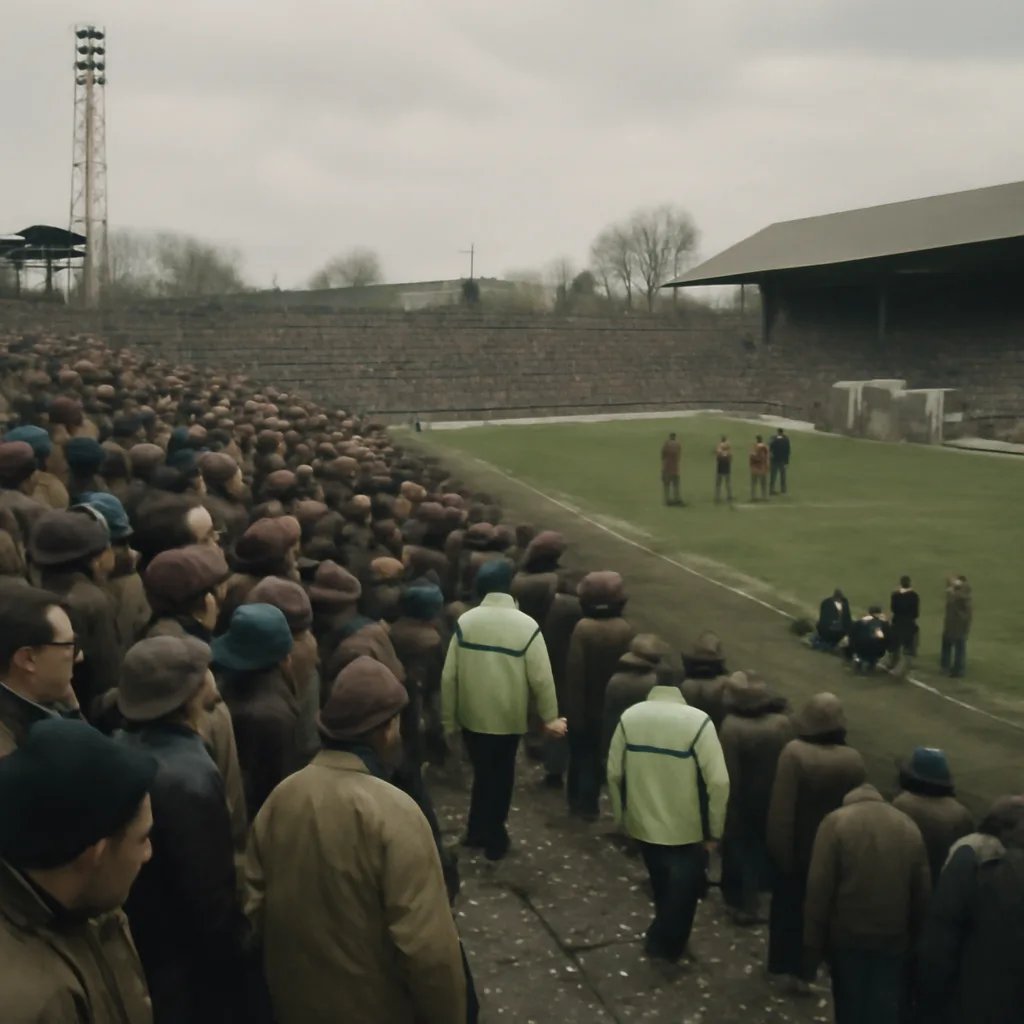
On 5 January 1985 a FA Trophy tie between Leicester City and Burton Albion was abandoned after Burton’s goalkeeper was struck by an object thrown from the crowd and lost consciousness. The incident occurred during the match, which had already been contentious on the field, when a plastic beer cup thrown from the terraces hit the goalkeeper and rendered him incapable of continuing. Medical staff attended and the player was taken from the pitch. With their goalkeeper unable to continue and play disrupted by the pitchside incident, match officials consulted with club staff and local authorities and decided to abandon the game. The Football Association subsequently ruled the fixture void; the match was not allowed to stand and was ordered to be replayed. Contemporary reports and later records list the fixture as voided following the crowd-related injury rather than being completed or awarded to either side. Disciplinary attention focused on crowd behaviour and stadium stewarding. Clubs and the FA used the incident to emphasise the need for better policing of items entering spectator areas and to tighten stewarding procedures at non-league and lower-league grounds. The occurrence sits within a broader 1980s context in English football when concerns about crowd safety and hooliganism prompted changes in stadium management and alcohol sales policies. Accounts of the event consistently record that the cup was the cause of the goalkeeper’s injury and that the referee abandoned the match on medical and safety grounds. Specific details such as the goalkeeper’s name and the exact minute of the incident are inconsistently reported in surviving summaries; contemporary local newspaper coverage from January 1985 provides the primary contemporary accounts. The FA’s decision to void and replay the match is recorded in competition archives, but match-by-match statistical collections treat the original fixture as abandoned rather than completed. Legacy: the abandoned Leicester v Burton Albion tie is remembered as a clear example of how crowd behaviour could directly affect matches and player safety during the period. It contributed to ongoing discussions about stewarding, container policies in stadiums, and the responsibilities of clubs and local authorities to prevent spectator actions that endangered players.