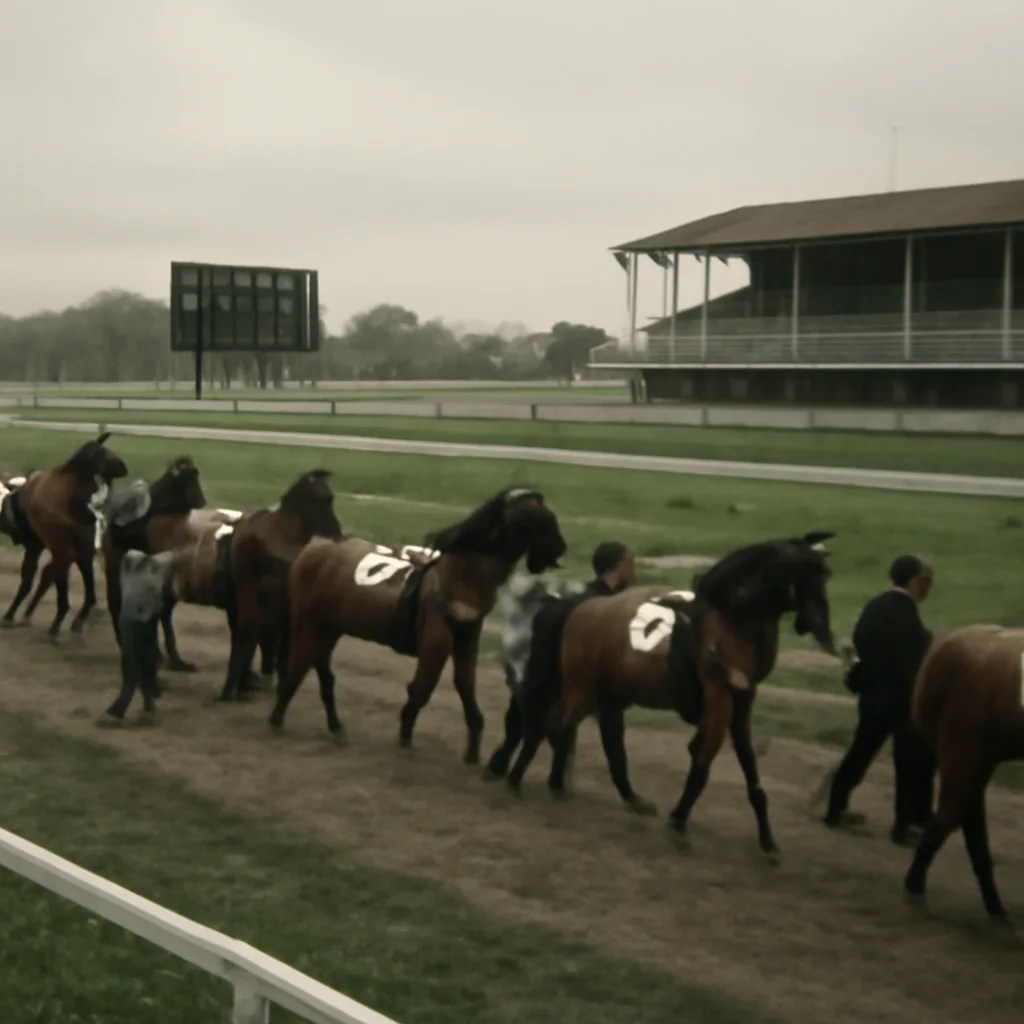
In late May 2003 investigators began probing allegations that an electric shock device had been used to influence the performance of thoroughbred horses at a regional racetrack. The allegation—reported at the time by local law-enforcement and racing-regulatory sources—centered on claims that handlers or trainers used an electrified implement to make horses run faster or comply with commands, a practice that would violate both animal-welfare standards and racing rules and could constitute fraud against bettors. The initial reports prompted parallel inquiries by track officials, local police, and state racing regulators. Investigators sought to determine whether any device had been deployed, which horses and races might have been affected, who possessed or applied the device, and whether evidence existed of improper betting or conspiracy. Investigators examined veterinary records, interviewed stable staff and jockeys, and reviewed race-day footage and timing data for anomalies consistent with external interference. No single criminal conviction stemming from use of an electric-shock device in that specific 2003 case is widely documented in public records. Coverage from the period indicates the probe faced challenges common to such inquiries: limited physical evidence, reluctance of witnesses to speak on the record, and the difficulty of proving intent to defraud rather than isolated misconduct. Racing regulators historically have relied on a mix of pre-race inspections, post-race examinations, and steward surveillance to deter and detect equipment-based interference, but enforcement effectiveness has varied by jurisdiction and era. The case drew attention to broader vulnerabilities in horse racing: the possibility of concealed devices or tampering, the pressure on trainers and jockeys tied to betting outcomes, and the need for clear protocols for reporting and investigating suspected abuse. In response to similar incidents across the industry, many jurisdictions have since tightened rules on electronic and prosthetic devices, expanded pre-race examinations, and increased penalties for animal abuse and betting fraud. Veterinary oversight and drug-testing regimes have also been enhanced to catch chemical and mechanical means of influencing performance. Contemporary commentary from regulators emphasized both the seriousness of the allegations and the procedural limits investigators faced. Where evidence was inconclusive, regulators sometimes issued warnings, temporary suspensions, or rule clarifications rather than criminal prosecutions. Advocates for equine welfare urged more aggressive enforcement and better protection for stable employees who report misconduct. Because public records and news accounts from 2003 vary in detail, some specifics of this investigation—such as definitive chain-of-custody for alleged devices or final disciplinary outcomes for named individuals—remain unclear in widely accessible sources. The episode nonetheless contributed to ongoing industry discussions about how to detect covert tampering and protect the integrity of racing and the welfare of horses. Lessons drawn from the case include the value of systematic surveillance (including high-quality race footage and timing), thorough veterinary exams, clear whistleblower protections, and coordinated action among track officials, regulators, and law enforcement. While isolated allegations of mechanical or electronic tampering have periodically surfaced in racing history, sustained reduction in such incidents has depended on consistent enforcement and technological and procedural safeguards put in place after investigations like the one in 2003.