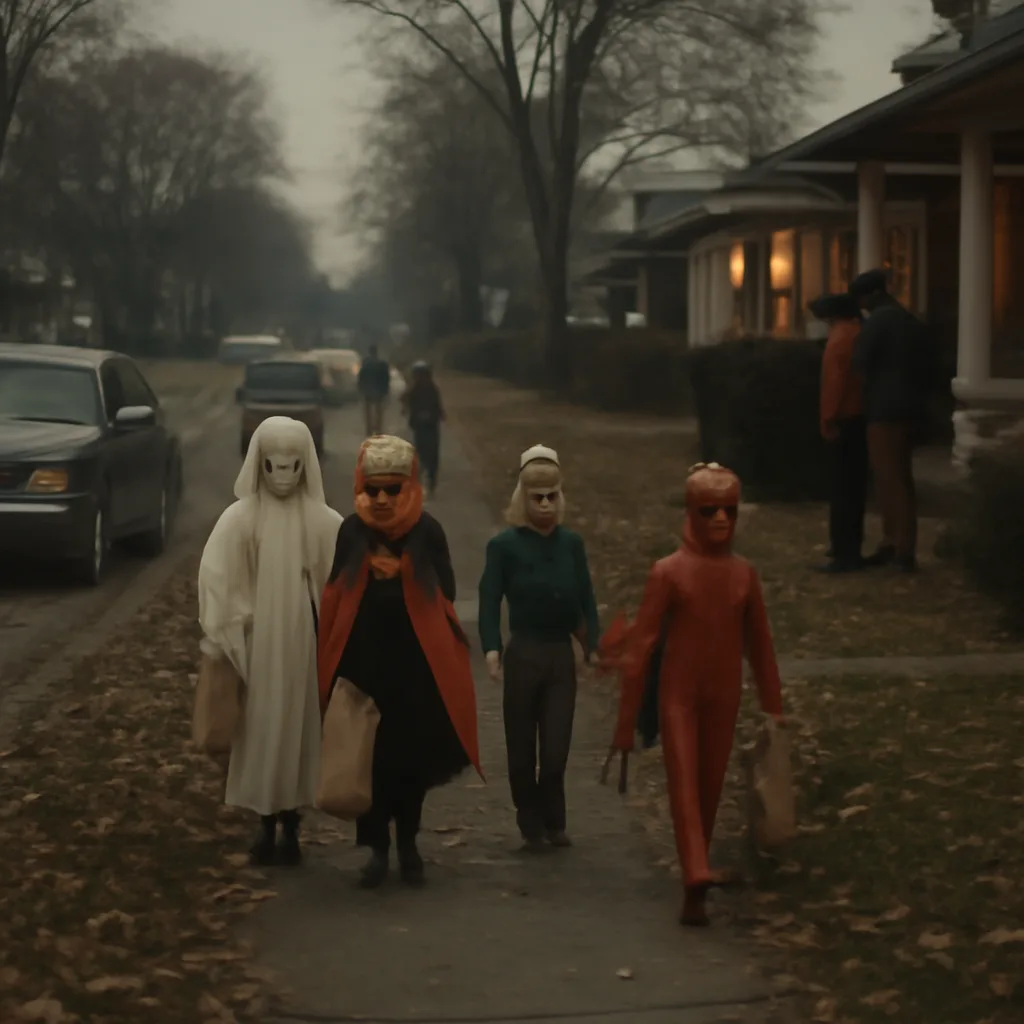
Background Concerns about dangerous or adulterated treats given to children on Halloween predate modern media coverage, but the phenomenon of widely reported, intentional poisoning incidents became prominent in the 1970s as national attention on child safety increased. Earlier stories and urban legends circulated in local newspapers and community lore; however, a specific, documented fatal case from 1974 is frequently cited in contemporary discussions and retrospective reporting. The 1974 incident In early 1974 newspapers in the United States reported the death of a child who had consumed candy later found to contain a toxic substance. Coverage at the time treated the case as a possible instance of intentional tampering with Halloween treats. The reports generated alarm among parents and communities and contributed to calls for greater caution and oversight around trick-or-treating. Uncertainties and historical context Contemporary researchers and journalists have noted uncertainties in the record. Reporting standards in some outlets of the period sometimes conflated confirmed forensic findings with suspicion and anecdote. Subsequent reviews and scholarship point out that clear, verifiable forensic evidence linking intentionally contaminated candy to deaths on Halloween is scarce for many early cases, and some widely circulated stories were later questioned or debunked. The 1974 case is described in multiple secondary accounts as an early documented fatality associated with candy tampering, but primary-source details (such as definitive forensic reports published in peer-reviewed journals or court records readily accessible online) are not consistently available in digital archives. Impact and legacy Regardless of unresolved questions about particulars, the 1974 reports had immediate social effects. They amplified parental fears, influenced local policies (such as organized trick-or-treating events and advice to inspect candy), and shaped media narratives that helped create the modern trope of “dangerous Halloween candy.” That trope, fed by further high-profile but often ambiguous cases in subsequent decades, changed community practices and public-health messaging around Halloween. How historians evaluate the episode Historians and journalists studying the history of Halloween safety emphasize distinguishing between documented forensic findings and moral panic driven by sensational reporting. They recommend consulting archival newspaper databases, coroner or medical examiner records, and court documents where available to clarify details. The 1974 incident remains significant as an early, widely reported case that contributed to the cultural perception of Halloween as a potential public-safety risk, even as some factual elements remain disputed or incompletely documented. Sources and further research For readers seeking primary documentation, historical newspaper archives (local and national), public coroner/medical examiner records, and court archives from relevant jurisdictions are the appropriate places to search. Secondary analyses in journalism histories and public-health retrospectives discuss the 1970s as a turning point in the national conversation about Halloween safety. Because some primary documents are not fully digitized or were reported with varying standards, researchers should treat 1974-era newspaper accounts as contemporaneous evidence of public concern but verify forensic and legal claims against official records when possible.