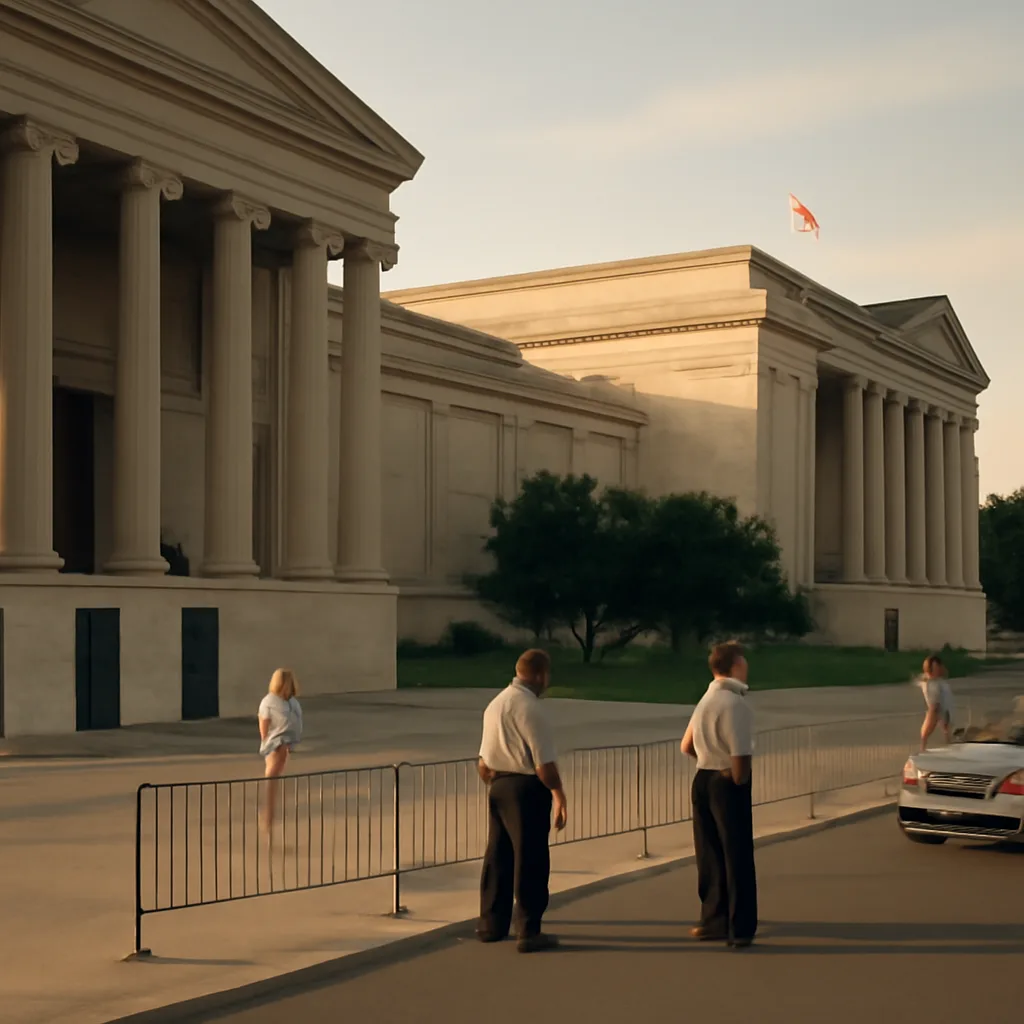
On August 28, 1995, negotiations over the federal budget between congressional Republicans and the Clinton administration broke down, producing a partial government shutdown that halted many nonessential services. The standoff centered on disagreements about discretionary spending levels and policy riders in the appropriations bills for fiscal year 1996. Republican leaders in the House and Senate—driven by the new Republican congressional majority elected in 1994—pursued substantial cuts to domestic discretionary programs and sought policy changes including measures affecting Medicare, education, and environmental regulation. The Clinton administration resisted those cuts, arguing they would harm vulnerable populations and undermine core government functions. The dispute intensified as appropriations deadlines approached and temporary funding measures failed to bridge the gap. The August 28 breakdown marked the beginning of a period in which portions of the federal government operated without approved regular appropriations. Many federal employees classified as nonessential were furloughed, while essential personnel continued work without pay. National parks, museums, and other publicly funded facilities experienced closures or curtailed operations. Some services—such as Social Security checks and active-duty military operations—continued despite the lapse in appropriations because they are funded or authorized differently or deemed essential to public safety. The shutdown had political as well as practical implications. It forced public attention onto the fiscal dispute and strained relations between the White House and congressional leaders. Polling at the time showed public frustration with the impasse, and both sides sought to shape public opinion to gain leverage. The standoff continued into October, when another shutdown occurred after further negotiations faltered; the extended confrontation contributed to the eventual compromise on a balanced budget plan over the following years. Economically, the immediate disruptions were uneven. Local economies dependent on federal facilities, tourism, or contracting experienced noticeable short-term effects. Federal contractors and employees faced income uncertainty; small businesses near federal sites reported lost revenue. Analysts estimated modest effects on economic growth for the quarters affected, though longer-term budgetary impacts depended on subsequent negotiations and enacted legislation. Historically, the 1995–1996 budget standoff is often cited as a key confrontation in post-Cold War U.S. fiscal politics: it reflected rising partisan polarization over the size and role of government and showcased brinkmanship in budgetary processes. The episode influenced later congressional strategy on appropriations and became a reference point in debates over government funding and shutdowns. Details about specific votes, negotiation sessions, and internal deliberations are documented in congressional records, contemporaneous news reporting, and later historical analyses. Public accounts vary on tactical choices made by particular leaders; where historians disagree, primary sources such as floor votes and official statements provide the verifiable record.